Results for "gas for mig welding"
Gas for MIG welding refers to the shielding gas used to protect the weld pool from contamination during the welding process. Common gases include argon, carbon dioxide, and a mix of both, which enhance the quality and stability of the weld.


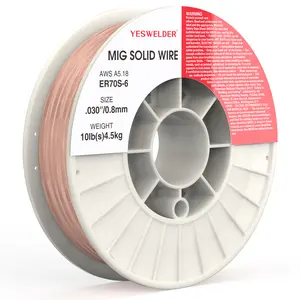
YesWelder Store

5.0
61 sold
$45.58


5.0
44 sold
-33%$29.50$43.80


4.6
1.8K sold
-33%$29.50$43.80


Related Searches
Related Categories
Introduction
When it comes to MIG welding, the choice of gas plays a crucial role in achieving high-quality welds. Gas for MIG welding is essential as it protects the molten metal from atmospheric contamination, ensuring a clean and strong weld. The most commonly used gases are argon, carbon dioxide, and gas mixtures. Each type of gas has its own benefits:
- Argon: Ideal for non-ferrous metals, argon provides excellent arc stability and a smooth finish.
- Carbon Dioxide: Often used for its cost-effectiveness, CO2 produces deeper weld penetration, making it suitable for thicker materials.
- Gas Mixtures: Combining argon and CO2 can offer the best of both worlds, providing versatility across various materials.