florida palm tree
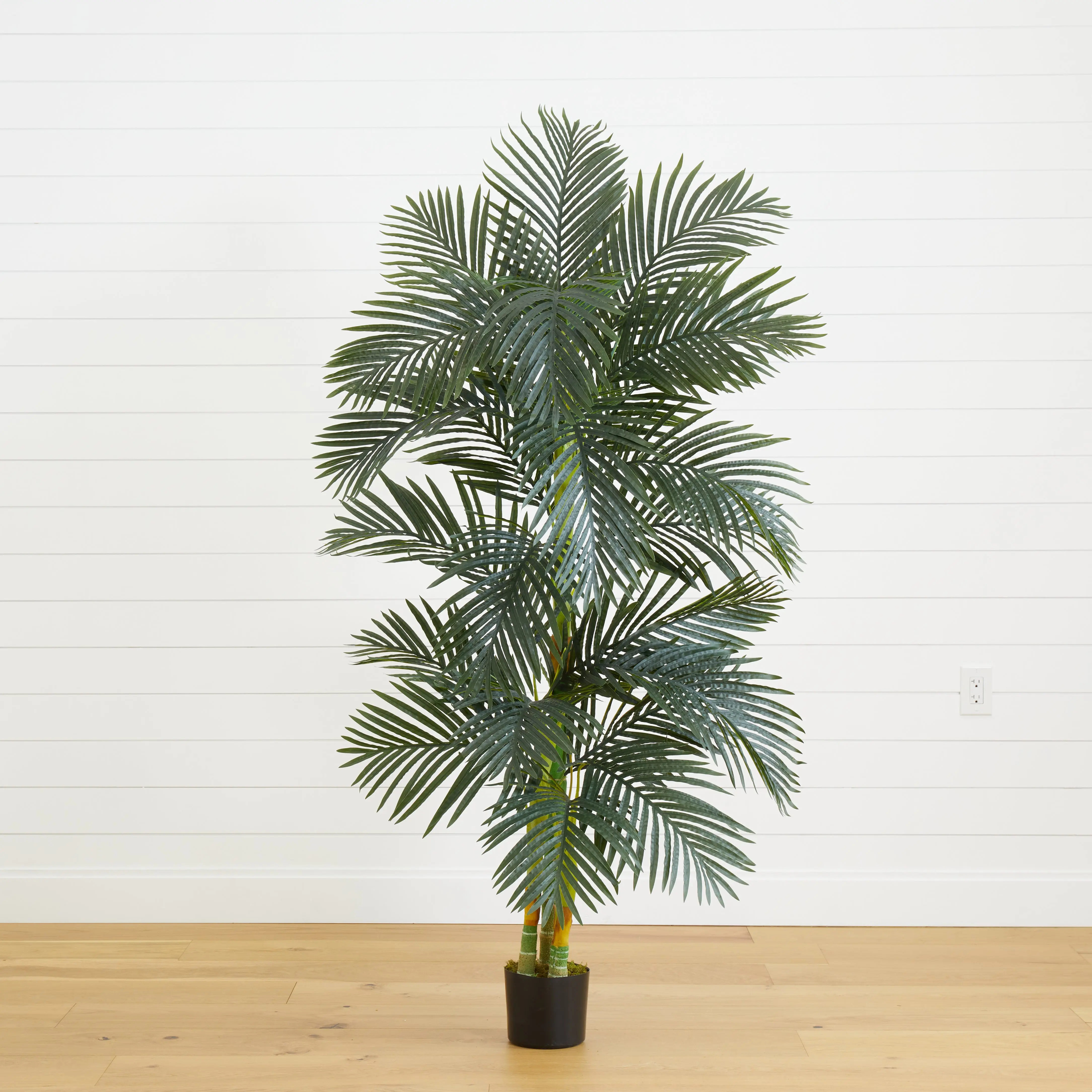
Florida palm trees are iconic plants native to the state, known for their tall stature and lush fronds. They thrive in the warm, subtropical climate of Florida, making them a popular choice for landscaping and outdoor decor.
Featured brands
Authenticated productsVerified shops






5.0
12 sold
-10%$78.29$86.99


2 sold
-18%$34.85$42.50


NEARLY NATURAL

5.0
-30%$229.59$327.99


Related Searches
Related Categories
Introduction
Florida palm trees are a stunning addition to any garden or landscape, bringing a touch of the tropics right to your home. These majestic trees are not only visually appealing but also incredibly versatile. Whether you’re looking to create a serene backyard oasis or enhance the curb appeal of your property, Florida palm trees are the perfect choice. With various species available, such as the Sabal Palm and the Royal Palm, you can find the ideal match for your aesthetic and environmental needs.
One of the most significant advantages of Florida palm trees is their ability to thrive in the state's warm climate. They require minimal maintenance, making them suitable for both seasoned gardeners and beginners. Additionally, their drought-resistant nature means they can withstand the occasional dry spell, making them an eco-friendly option for landscaping.
Incorporating Florida palm trees into your landscape design can also increase your property’s value. They create a luxurious ambiance that is highly sought after by potential buyers. Plus, their ability to provide shade makes them a practical choice for outdoor living spaces.
When planning your landscape, consider planting Florida palm trees in clusters or alongside other tropical plants for a vibrant look. With their towering presence and graceful fronds, these trees can transform any outdoor area into a tropical paradise. Explore the beauty and benefits of Florida palm trees today and elevate your garden to new heights!
One of the most significant advantages of Florida palm trees is their ability to thrive in the state's warm climate. They require minimal maintenance, making them suitable for both seasoned gardeners and beginners. Additionally, their drought-resistant nature means they can withstand the occasional dry spell, making them an eco-friendly option for landscaping.
Incorporating Florida palm trees into your landscape design can also increase your property’s value. They create a luxurious ambiance that is highly sought after by potential buyers. Plus, their ability to provide shade makes them a practical choice for outdoor living spaces.
When planning your landscape, consider planting Florida palm trees in clusters or alongside other tropical plants for a vibrant look. With their towering presence and graceful fronds, these trees can transform any outdoor area into a tropical paradise. Explore the beauty and benefits of Florida palm trees today and elevate your garden to new heights!