Results for "faucet connectors"
Faucet connectors are essential components that link your faucet to the water supply, ensuring a reliable and leak-free connection. They come in various sizes and materials to fit different plumbing systems.
Featured brands
Authenticated productsVerified shops


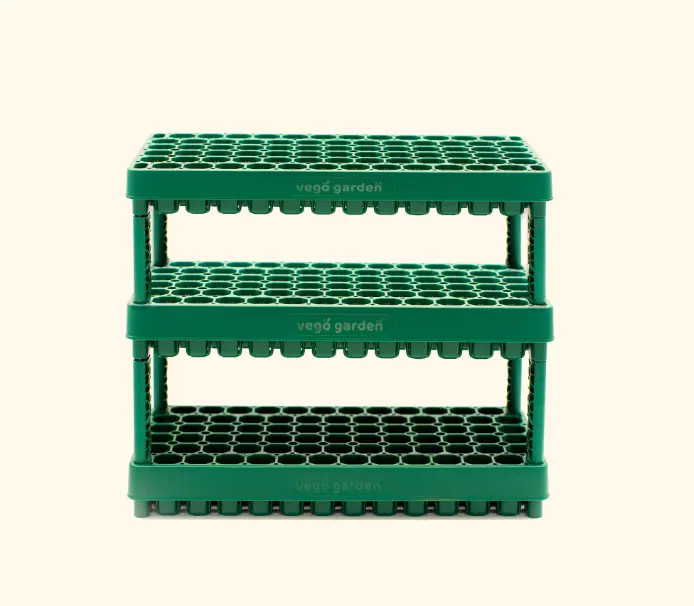


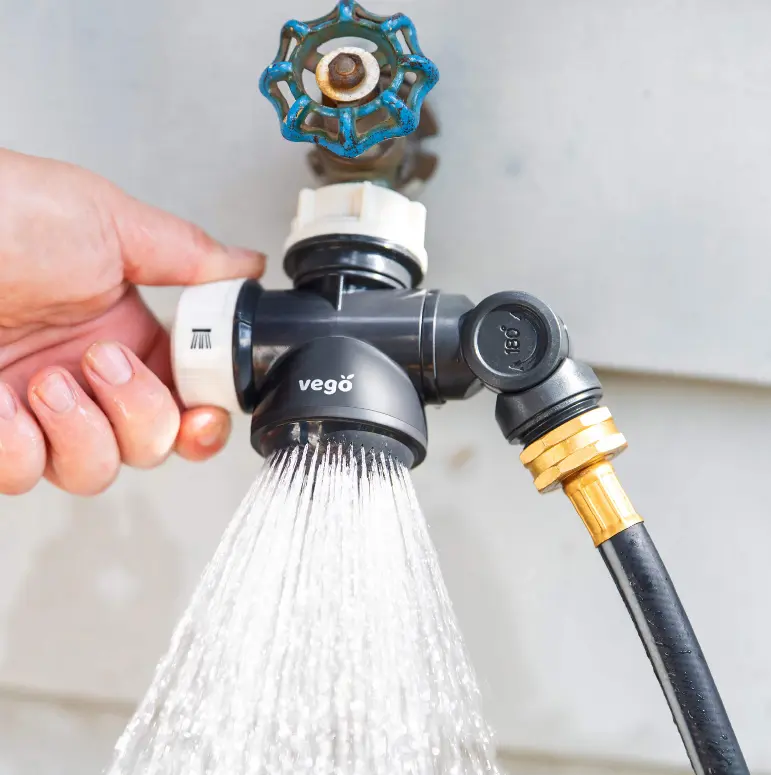


Vego Garden

5.0
133 sold
-54%$25.95$55.95


Related Searches
Related Categories
Introduction
Faucet connectors play a crucial role in your bathroom fixtures, ensuring that water flows smoothly from the supply line to your faucet. These connectors are designed to create a secure and watertight seal, preventing leaks and water wastage. When selecting faucet connectors, it's important to consider the size and type that best fits your plumbing system.
Here are some key points to keep in mind when choosing faucet connectors:
Remember, investing in high-quality faucet connectors can save you from costly repairs down the line and enhance the overall performance of your bathroom fixtures.
Here are some key points to keep in mind when choosing faucet connectors:
- Material: Look for durable materials like brass or stainless steel, which offer proven quality and longevity.
- Size: Ensure that the connector matches the size of your faucet and water supply lines to avoid compatibility issues.
- Type: There are various types of connectors, including flexible hoses and rigid pipes, each suited for different installation needs.
Remember, investing in high-quality faucet connectors can save you from costly repairs down the line and enhance the overall performance of your bathroom fixtures.