Eye brow percing
Eyebrow piercing is a popular body modification that involves creating a hole in the eyebrow area to insert jewelry. This type of piercing can enhance facial features and is often chosen for self-expression.
Featured brands
Authenticated productsVerified shops

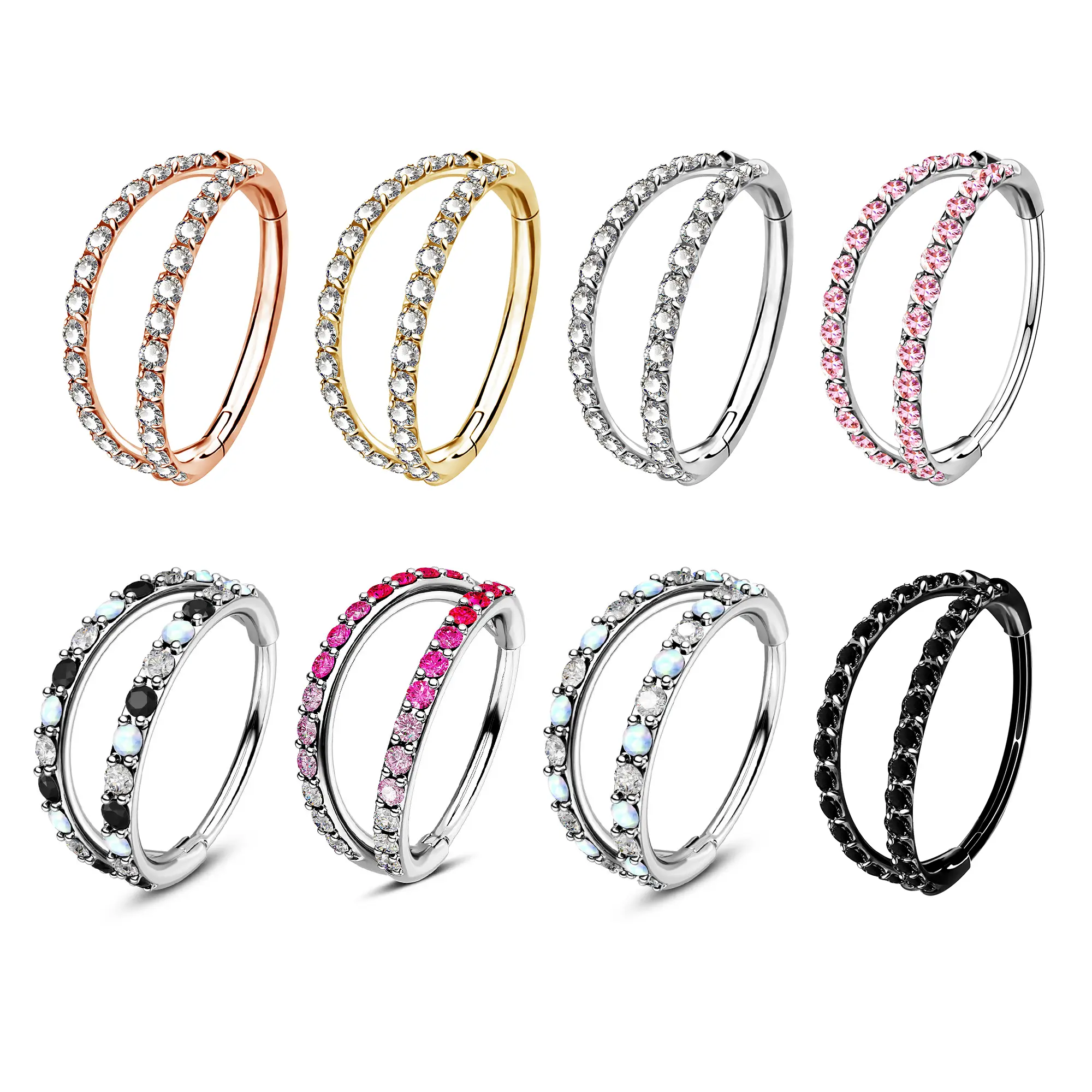
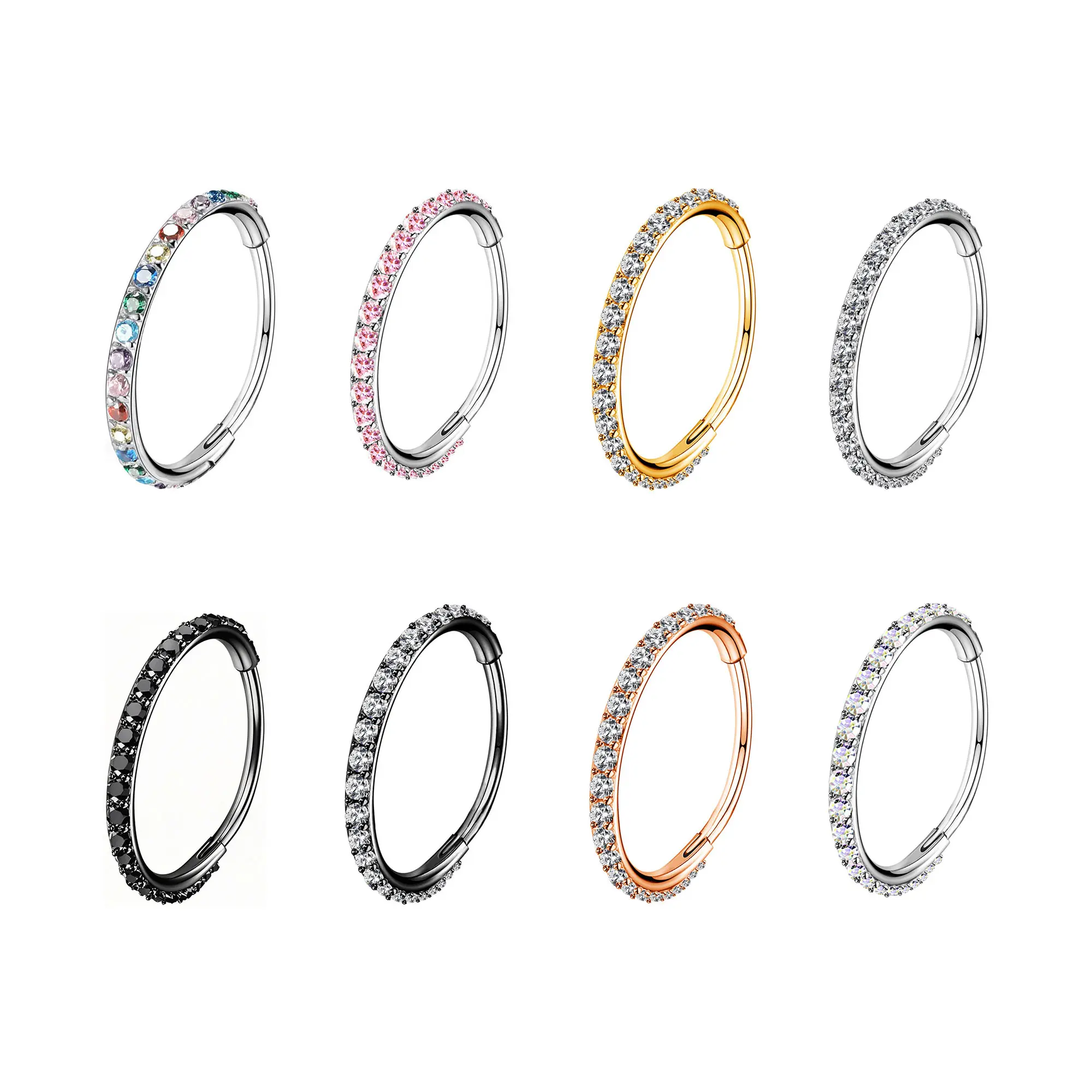

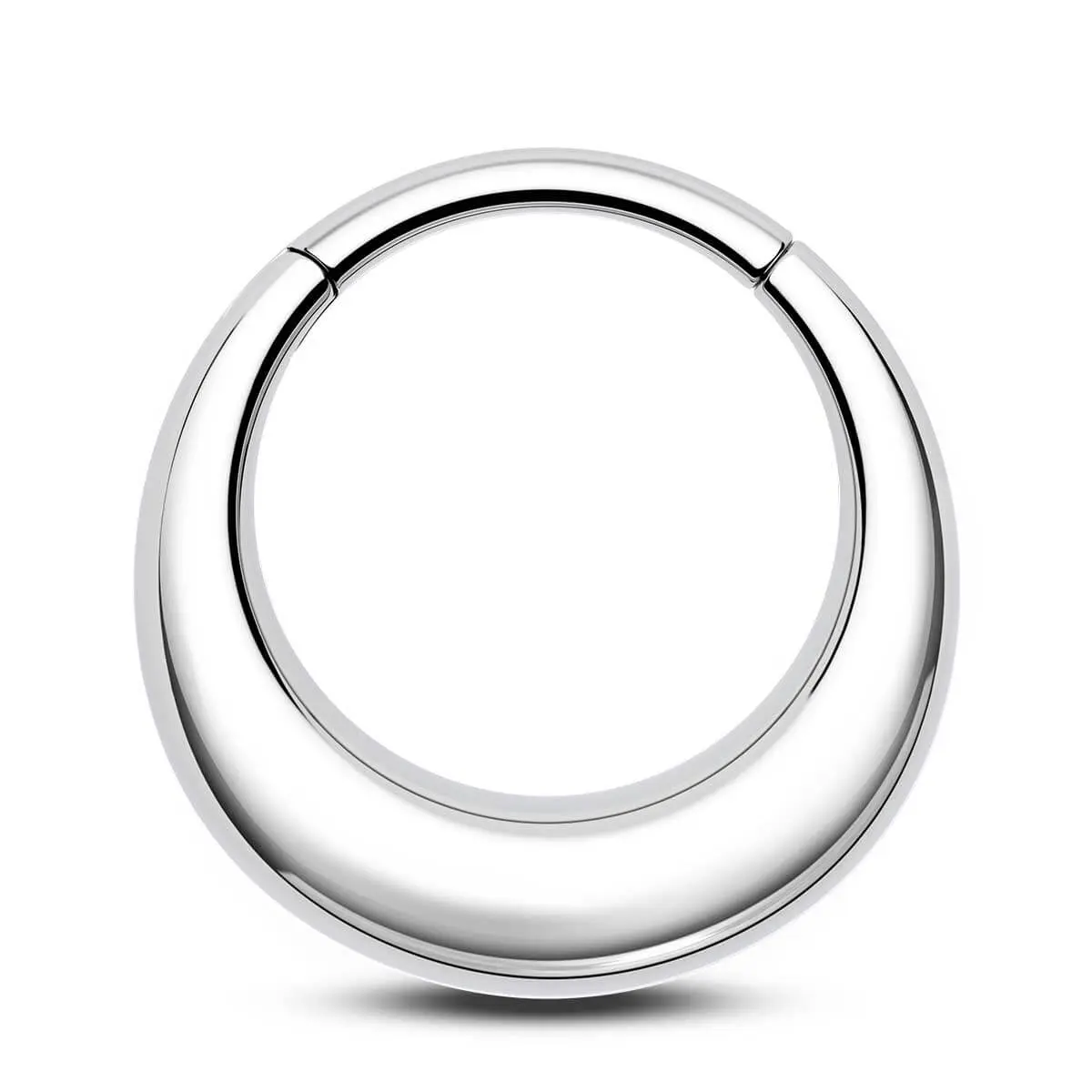



OUFER BODY JEWELRY

4.6
290 sold
-20%$18.19$22.74


OUFER BODY JEWELRY
5.0
7 sold
-20%$11.99$14.99

Related Searches
Related Categories
Introduction
Eyebrow piercing is an exciting way to express your individuality and style. As a popular choice among body modification enthusiasts, eyebrow piercings offer a unique aesthetic that can complement your facial features. Whether you prefer a subtle stud or a bold hoop, the options are vast and cater to various tastes.
When considering eyebrow piercing, it's essential to understand the process and aftercare involved. Here are some key points to keep in mind:
If you're considering getting an eyebrow piercing, be sure to do your research and consult with a professional piercer. This way, you can ensure a safe and satisfying experience. Remember, your eyebrow piercing can be a reflection of your personality, so choose a style that resonates with you!
When considering eyebrow piercing, it's essential to understand the process and aftercare involved. Here are some key points to keep in mind:
- Proven Quality: Always choose a reputable piercer who uses sterile equipment and high-quality jewelry.
- Healing Time: Eyebrow piercings typically take 6 to 8 weeks to heal, but proper aftercare is crucial for a smooth healing process.
- Jewelry Choices: There are various styles of jewelry available, including barbells, rings, and studs, allowing you to switch up your look as desired.
- Trusted by Thousands: Many individuals have embraced eyebrow piercings, making it a widely accepted form of self-expression.
If you're considering getting an eyebrow piercing, be sure to do your research and consult with a professional piercer. This way, you can ensure a safe and satisfying experience. Remember, your eyebrow piercing can be a reflection of your personality, so choose a style that resonates with you!