Electrition power tool
An electrician power tool is a specialized device used by electricians to perform various tasks related to electrical installations and repairs. These tools are designed to enhance efficiency and safety while working with electrical systems.
Featured brands
Authenticated productsVerified shops


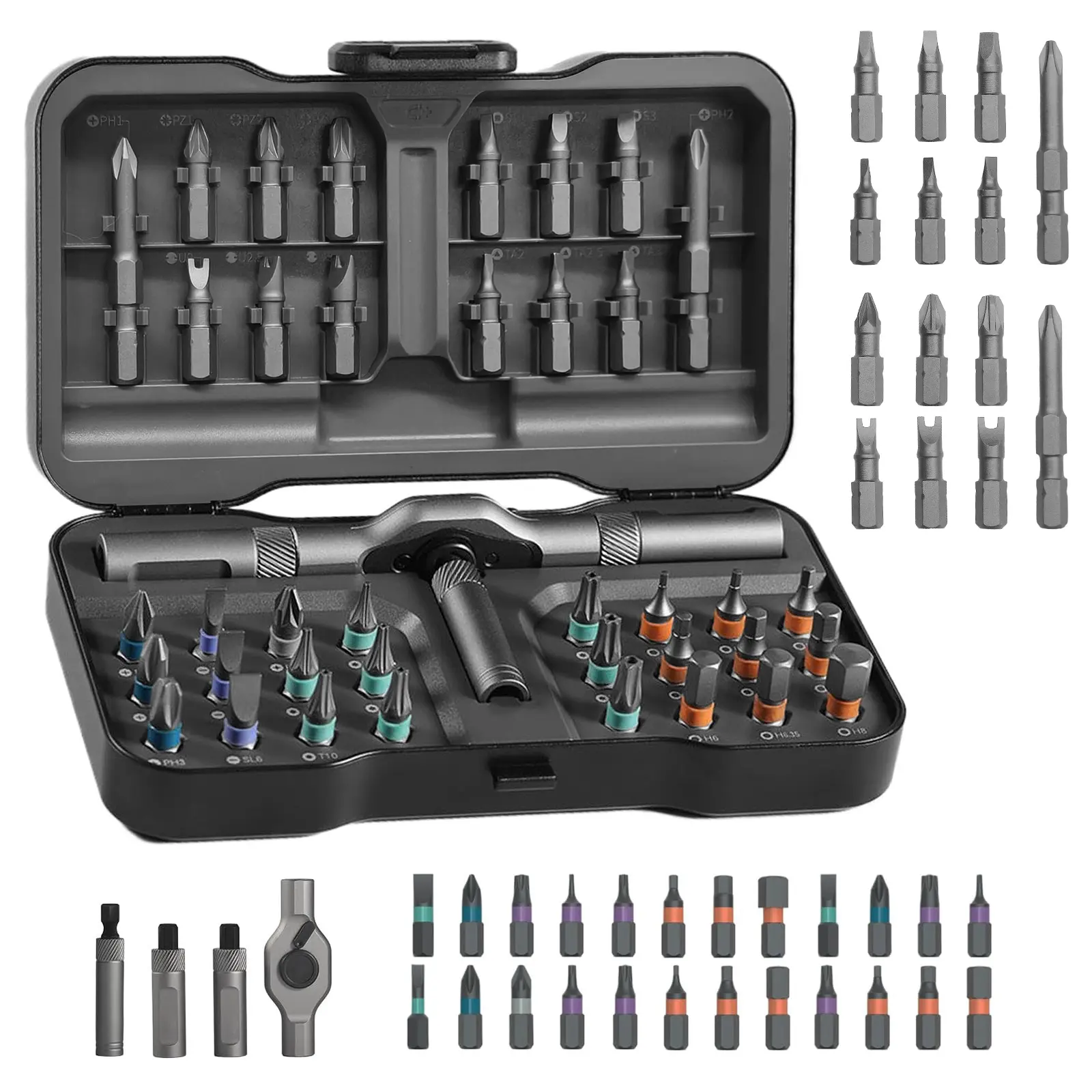


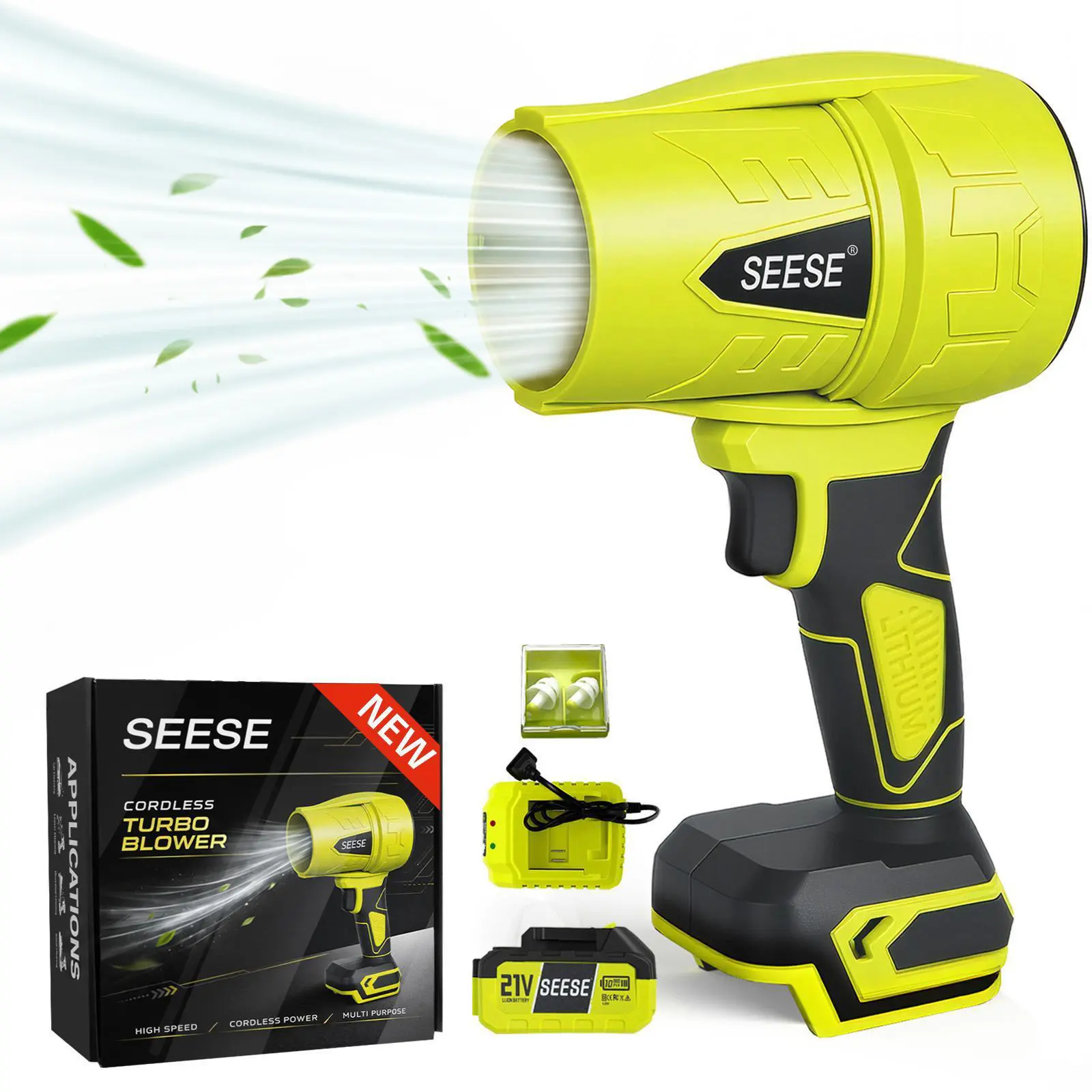
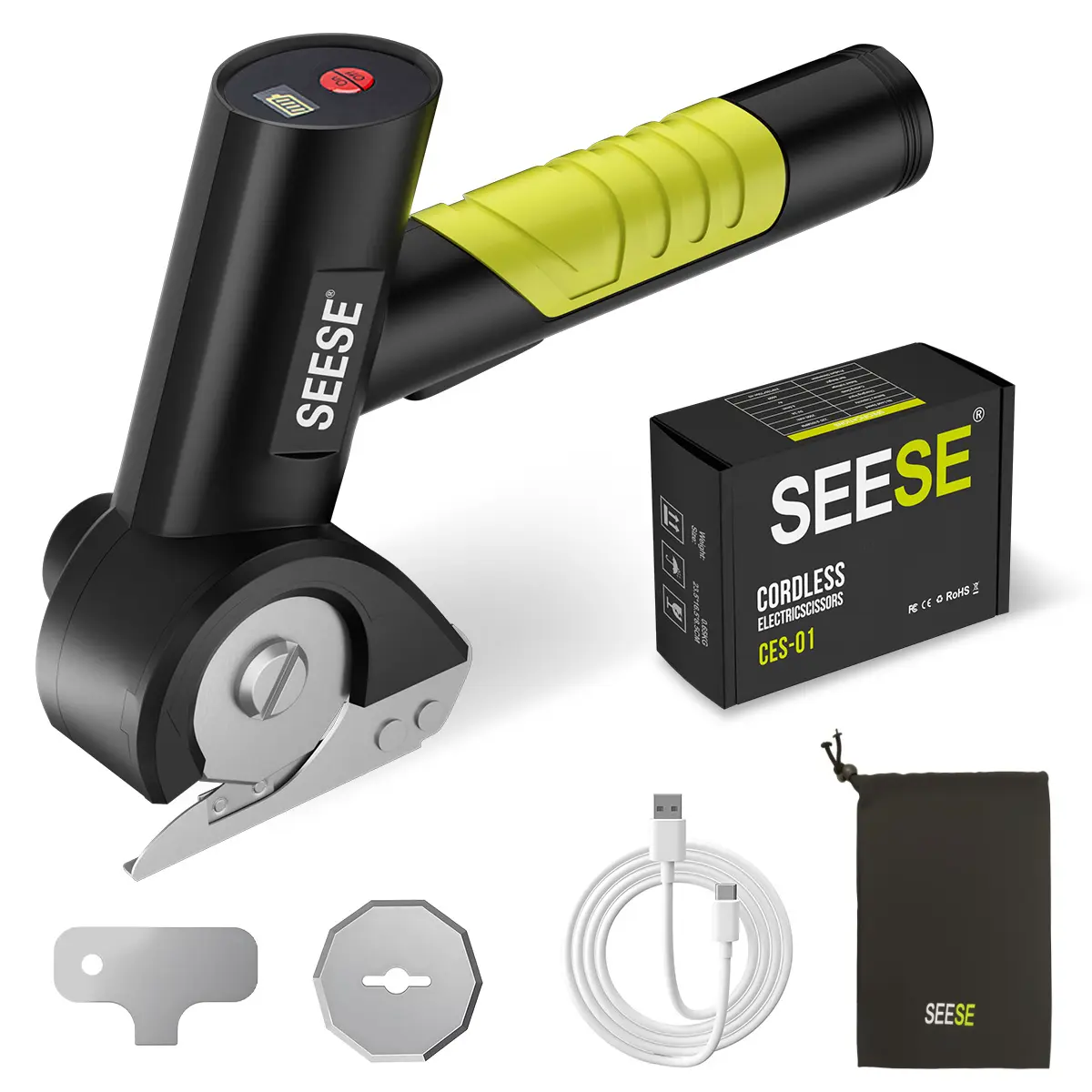


![[]DEWALT Cordless Drill & Impact Wrench Combo Kit, Drilling Fastening & Bolt Removal, Durable Metal Gears & Reinforced Housing, Powerful Rechargeable Power Tools for Auto Repair, Garage, DIY & Home Projects](https://p16-oec-general-useast5.ttcdn-us.com/tos-useast5-i-omjb5zjo8w-tx/33bc7848e5524f68b8301c8183fc3ea6~tplv-fhlh96nyum-resize-webp:600:600.webp?dr=12190&t=555f072d&ps=933b5bde&shp=8dbd94bf&shcp=a6e80448&idc=useast5&from=2378011839 "[]DEWALT Cordless Drill & Impact Wrench Combo Kit, Drilling Fastening & Bolt Removal, Durable Metal Gears & Reinforced Housing, Powerful Rechargeable Power Tools for Auto Repair, Garage, DIY & Home Projects")


5.0
15 sold
-60%$73.51$183.76


SEESE Store

4.7
23.3K sold
-25%$149.99$199.90
Related Searches
Related Categories
Introduction
When it comes to electrical work, having the right tools is essential for both safety and efficiency. Electrician power tools are designed specifically for tasks such as wiring, installation, and maintenance of electrical systems. These tools not only help in completing jobs faster but also ensure that work is done correctly and safely. From drills to wire , electrician power tools are indispensable for professionals in the field.
Here are some key aspects to consider when selecting electrician power tools:
Here are some key aspects to consider when selecting electrician power tools:
- Quality and Durability: Always choose tools that are made from high-quality materials to withstand the rigors of daily use.
- Safety Features: Look for tools that come with built-in safety features to protect you from electrical hazards.
- Ergonomics: Tools should be comfortable to hold and use, reducing the risk of fatigue during long jobs.
- Versatility: Consider multi-functional tools that can handle a variety of tasks, saving you money and storage space.