electrical wire gauge
Electrical wire gauge refers to the standardized measurement that indicates the diameter of electrical wires. It is crucial for determining the wire's current-carrying capacity and its suitability for various electrical applications.
Featured brands
Authenticated productsVerified shops


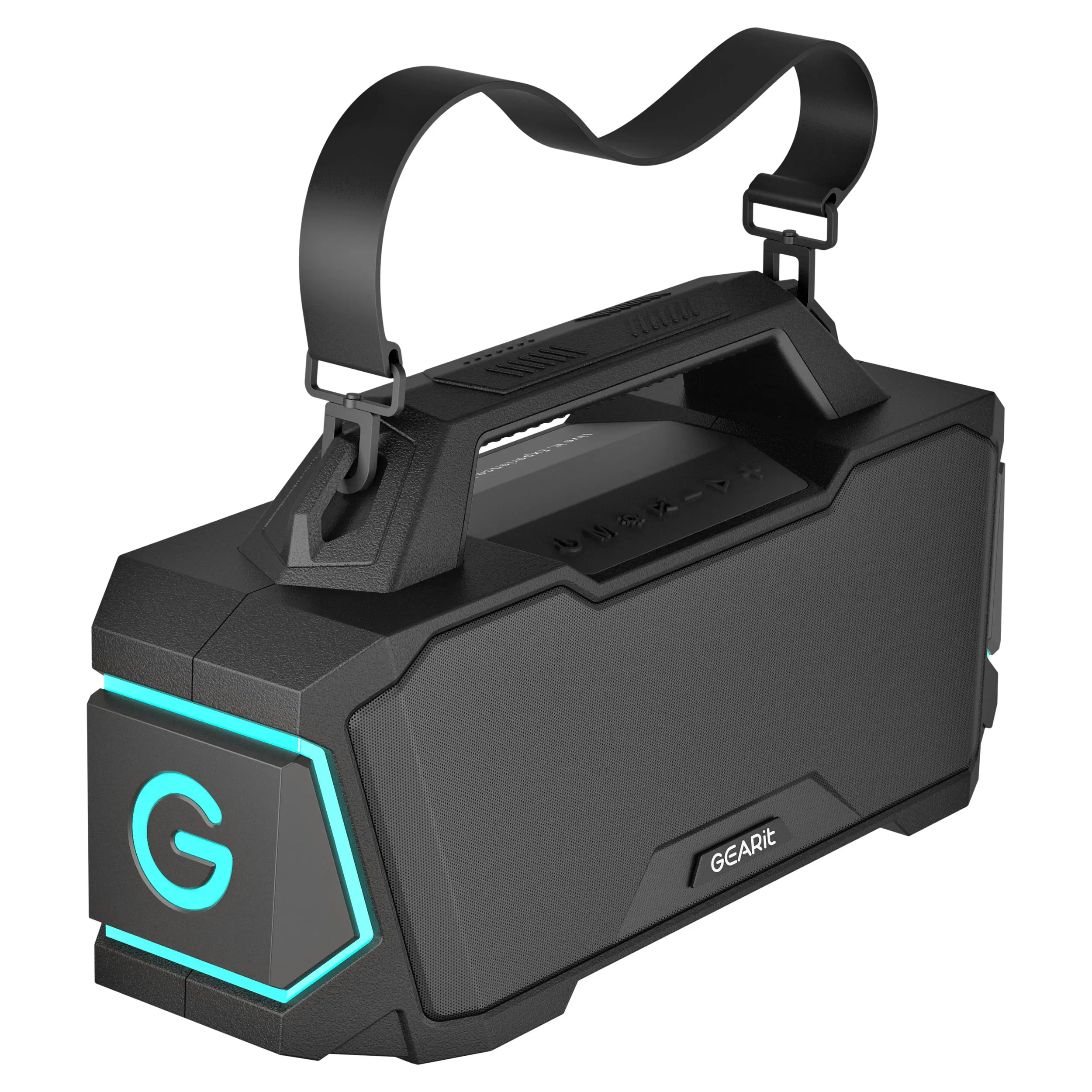


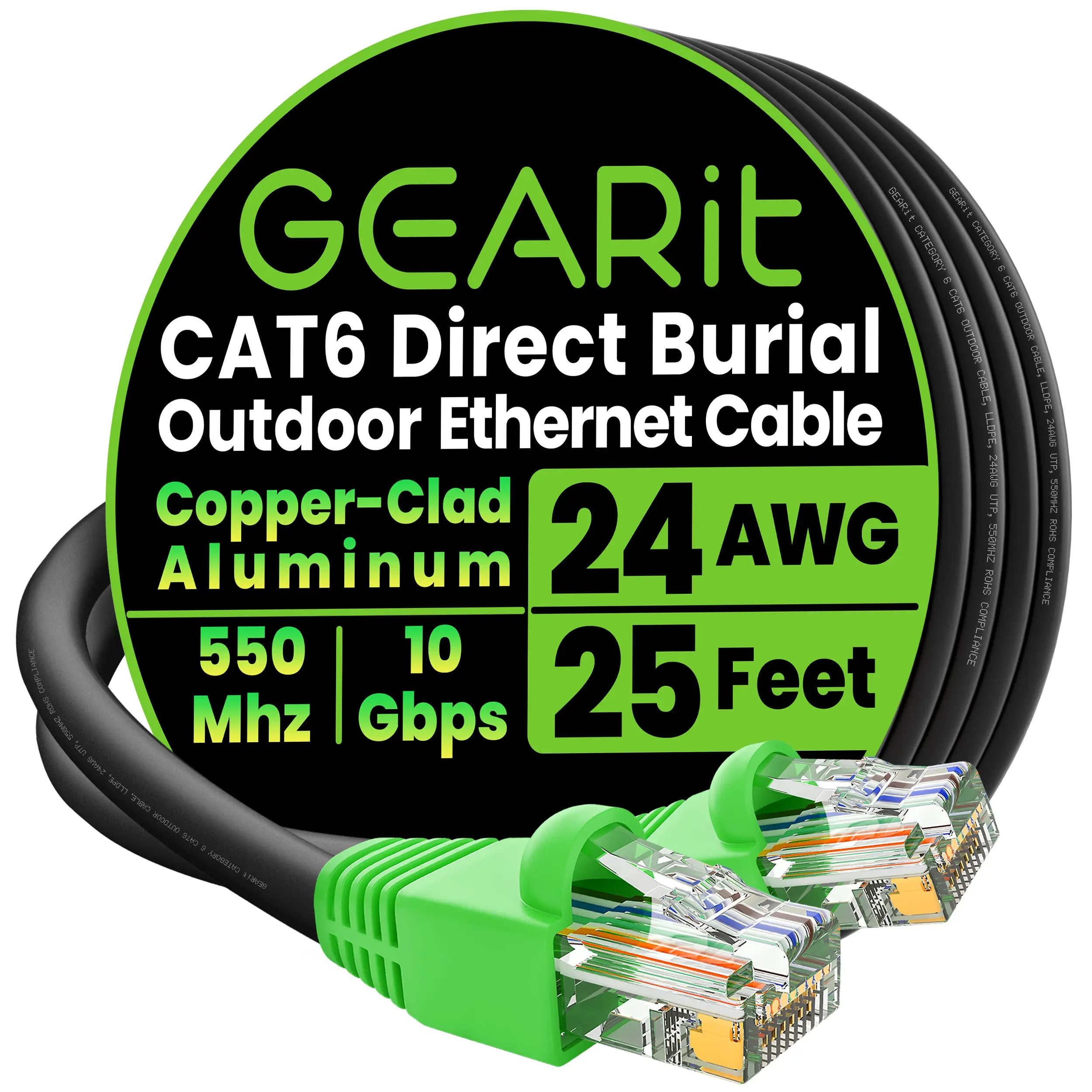

GEARit Official

4.6
174 sold
$40.99


GEARit Official
4.9
109 sold
$31.99


![TUOFENG 18 awg Electrical Wire 300 Feet [150 ft Black and 150 ft Red] Wire - 18 Gauge Silicone Wire Hook Up Wire Cable - Flexible Silicone Tinned Copper Wire](https://p16-oec-general-useast5.ttcdn-us.com/tos-useast5-i-omjb5zjo8w-tx/1d61382129dc4403bf7bd220ec75f3dc~tplv-fhlh96nyum-resize-webp:600:535.webp?dr=12190&t=555f072d&ps=933b5bde&shp=8dbd94bf&shcp=a6e80448&idc=useast5&from=2378011839 "TUOFENG 18 awg Electrical Wire 300 Feet [150 ft Black and 150 ft Red] Wire - 18 Gauge Silicone Wire Hook Up Wire Cable - Flexible Silicone Tinned Copper Wire")


GEARit Official
4.7
204 sold
$41.99


GEARit Official
3.7
49 sold
$32.99


Related Searches
Related Categories
Introduction
Understanding electrical wire gauge is essential for anyone working with electrical systems. The gauge of a wire affects its ability to carry current safely and efficiently. Different gauges are suited for different applications, and choosing the right one can prevent overheating and potential electrical fires.
Here’s what you need to know about electrical wire gauge:
Electrical wire gauge is not just a technical specification; it plays a crucial role in the efficiency and safety of electrical installations. Make sure to use the correct gauge to ensure proven quality and customer-approved safety in all your electrical projects.
Here’s what you need to know about electrical wire gauge:
- What is Wire Gauge? The wire gauge is a numerical designation that indicates the diameter of the wire. A lower gauge number means a thicker wire, which can handle more current.
- Why It Matters: Using the correct wire gauge is vital for safety and performance. Oversized wires can be cumbersome, while undersized wires can overheat and fail.
- Common Gauges: Common wire gauges include 14, 12, and 10 AWG (American Wire Gauge). Each has specific applications, with lower numbers suitable for higher power needs.
- Choosing the Right Gauge: Consider the length of the wire run, the total load, and the type of application. Always refer to guidelines to ensure compliance with local electrical codes.
- Safety First: Always prioritize safety by selecting the appropriate wire gauge for your project. Consult with professionals if unsure.
Electrical wire gauge is not just a technical specification; it plays a crucial role in the efficiency and safety of electrical installations. Make sure to use the correct gauge to ensure proven quality and customer-approved safety in all your electrical projects.