Results for "electric vs regular toothbrush"
Electric toothbrushes are powered devices designed to clean teeth more effectively than regular manual toothbrushes. They often feature rotating or vibrating bristles to enhance plaque removal and improve oral hygiene.





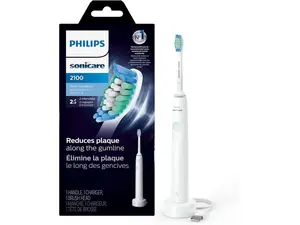
Newegg, Inc.

4.0
44 sold
$36.49


GuruNanda LLC
4.6
44.6K sold
-31%$23.99$34.99


Newegg, Inc.
4.4
297 sold
$51.49



GuruNanda LLC
4.8
22.4K sold
-40%$14.99$24.99
Related Searches
Related Categories
Introduction
When it comes to maintaining optimal oral hygiene, the debate between electric vs regular toothbrushes is a common one among consumers. Electric toothbrushes are designed to provide a superior cleaning experience, utilizing advanced technology to help remove plaque and reduce gum disease. With features like timers, pressure sensors, and various brushing modes, electric toothbrushes cater to individual needs and preferences, making them a popular choice for many.
On the other hand, regular toothbrushes, while effective, require more manual effort and technique to achieve the same level of cleanliness. They are portable, cost-effective, and do not require batteries or charging, which makes them a convenient option for some users.
Here are some key considerations to help you decide between electric and regular toothbrushes:
On the other hand, regular toothbrushes, while effective, require more manual effort and technique to achieve the same level of cleanliness. They are portable, cost-effective, and do not require batteries or charging, which makes them a convenient option for some users.
Here are some key considerations to help you decide between electric and regular toothbrushes:
- Cleaning Efficiency: Electric toothbrushes typically offer more consistent brushing motion, which can lead to better plaque removal.
- Ease of Use: For individuals with limited dexterity, electric toothbrushes can be easier to handle.
- Cost: While electric toothbrushes can be more expensive upfront, they may save money on dental bills in the long run due to improved oral health.
- Environmental Impact: Regular toothbrushes are often more eco-friendly, as they do not contribute to battery waste.
- Personal Preference: Ultimately, comfort and personal preference play a significant role in choosing the right toothbrush.