drone for photography
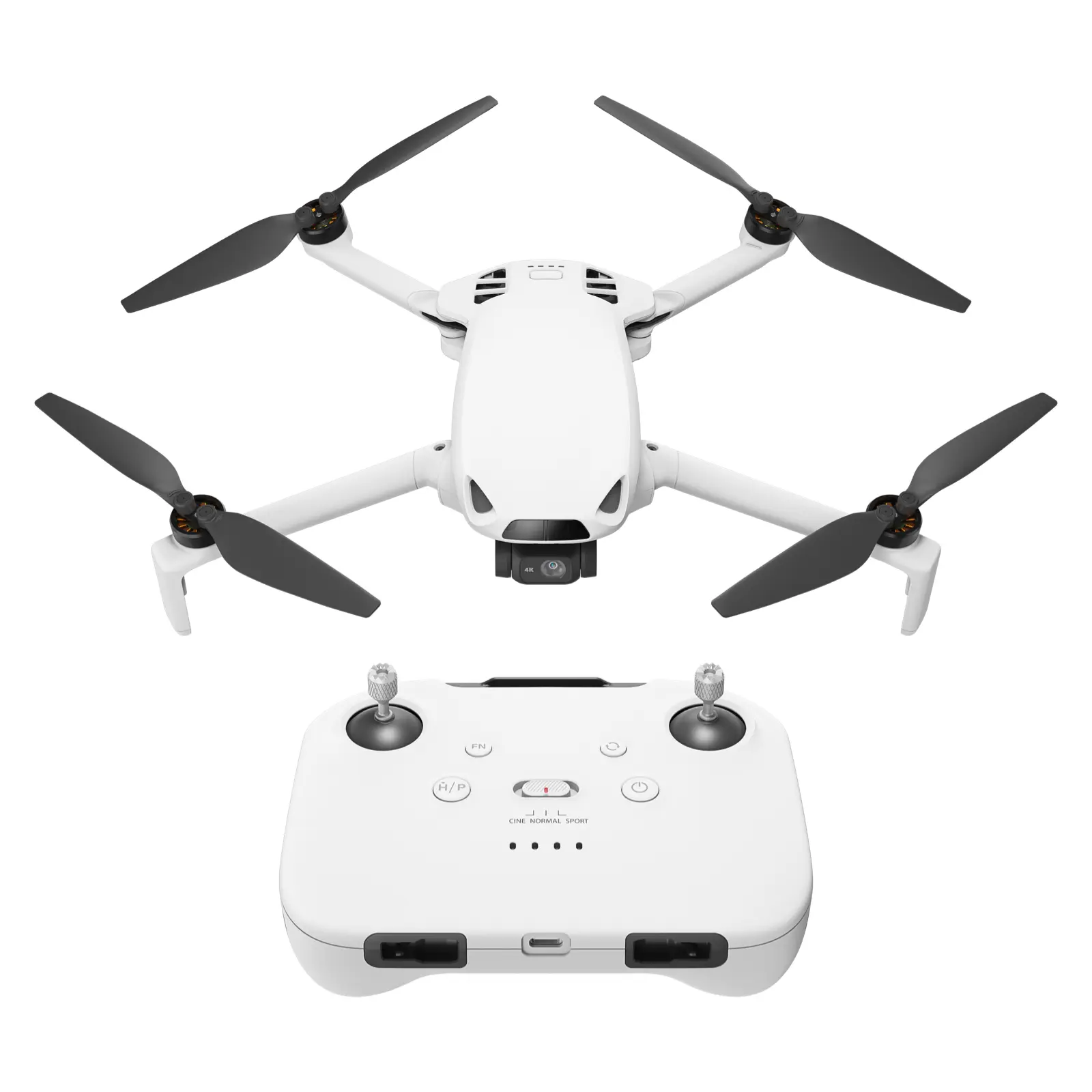
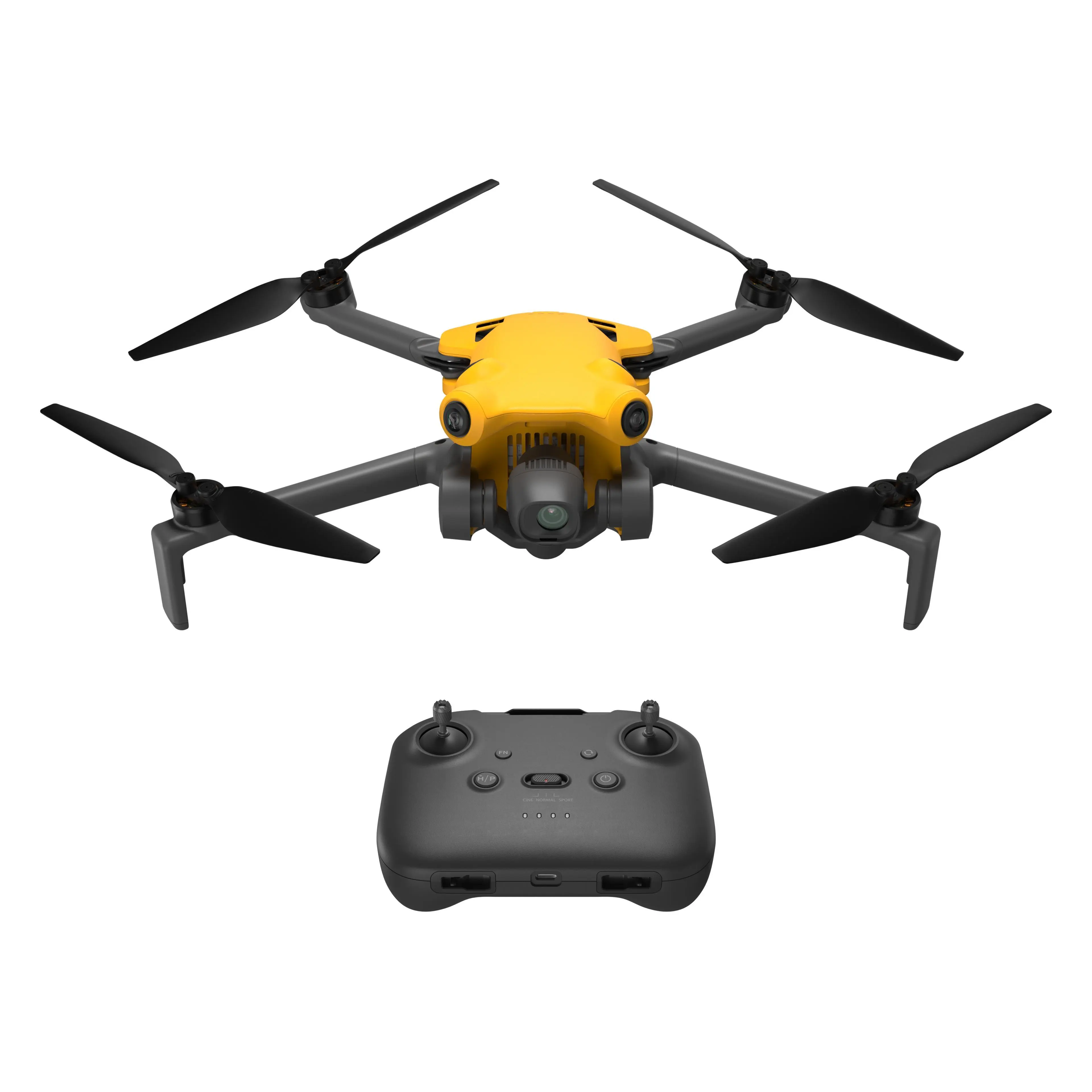
A drone for photography is an unmanned aerial vehicle equipped with high-resolution cameras, designed to capture stunning aerial images and videos. These drones are popular among photographers and videographers for their ability to reach heights and angles that traditional photography cannot achieve.
Featured brands
Authenticated productsVerified shops





SKYROVER

4.8
705 sold

$799.00


Related Searches
Related Categories
Introduction
In the world of photography, a drone for photography has revolutionized the way we capture images. These advanced flying machines allow photographers to explore new perspectives, offering breathtaking aerial shots that were once limited to expensive helicopter rides. With the rise of technology, many drones come equipped with high-definition cameras, enabling users to shoot stunning 4K videos and crisp images with ease.
Whether you're a professional photographer or an enthusiastic hobbyist, investing in a drone for photography can elevate your work to new heights. From capturing sweeping landscapes to dynamic action shots, these drones provide versatility and creativity.
When choosing the right drone, consider factors like camera quality, flight time, and ease of use. Popular models often feature GPS capabilities for stable flight and intelligent modes for automated shots, making them user-friendly for beginners. Additionally, many drones are designed with portability in mind, allowing you to take them on your adventures.
As you dive into the world of aerial photography, remember to check local regulations regarding drone usage to ensure a safe and legal flying experience. With the right equipment and a bit of practice, a drone for photography can transform your creative process and help you capture stunning visuals that will impress your audience.
Whether you're a professional photographer or an enthusiastic hobbyist, investing in a drone for photography can elevate your work to new heights. From capturing sweeping landscapes to dynamic action shots, these drones provide versatility and creativity.
When choosing the right drone, consider factors like camera quality, flight time, and ease of use. Popular models often feature GPS capabilities for stable flight and intelligent modes for automated shots, making them user-friendly for beginners. Additionally, many drones are designed with portability in mind, allowing you to take them on your adventures.
As you dive into the world of aerial photography, remember to check local regulations regarding drone usage to ensure a safe and legal flying experience. With the right equipment and a bit of practice, a drone for photography can transform your creative process and help you capture stunning visuals that will impress your audience.