double insulated tools
Double insulated tools are electrical tools designed with two layers of insulation to protect users from electric shock. They are particularly useful in environments where grounding is not possible.
Featured brands
Authenticated productsVerified shops


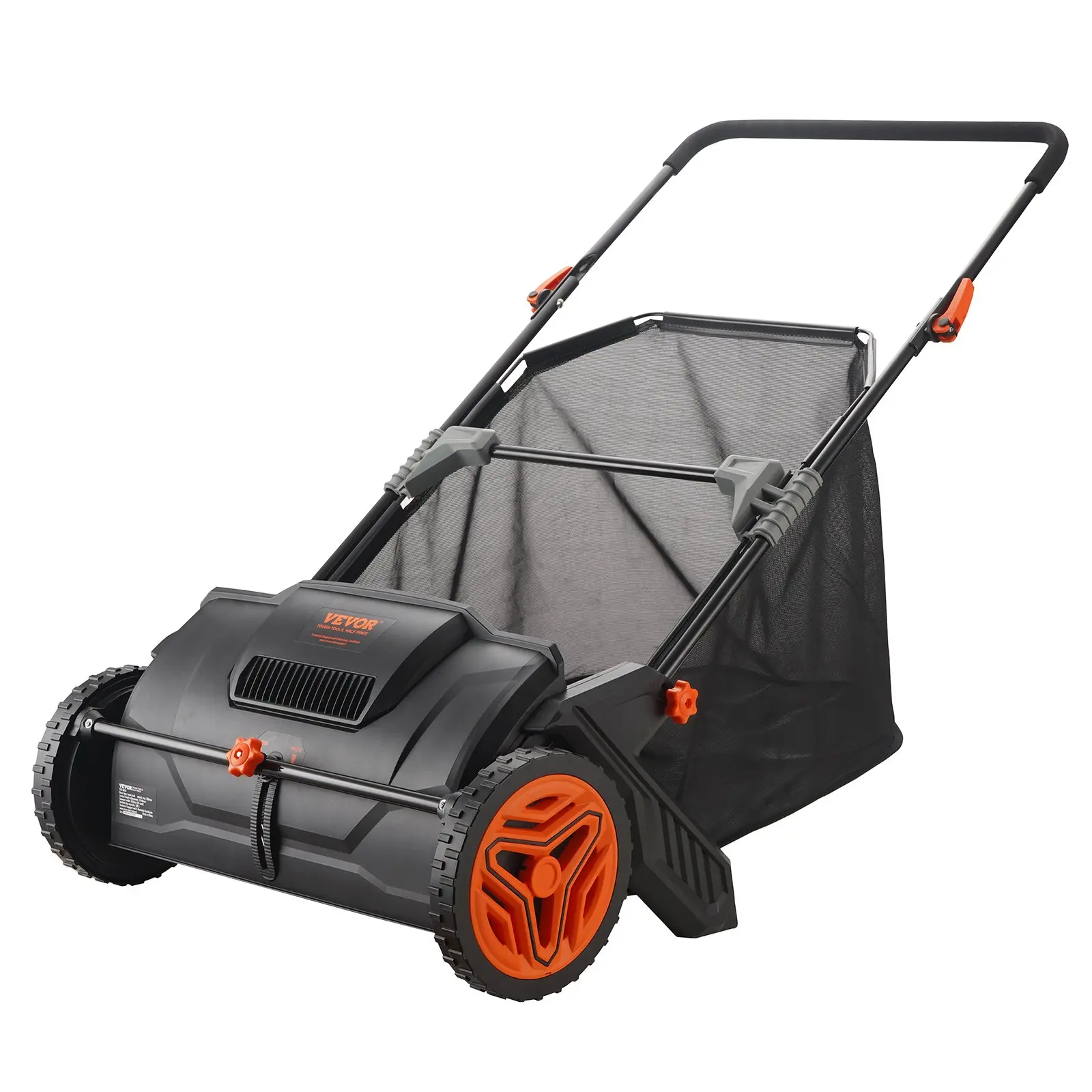


58 sold
-20%$15.90$19.90


Related Searches
Related Categories
Introduction
Double insulated tools are essential for anyone working with electrical equipment. These tools are designed with an extra layer of insulation, ensuring that even if the outer layer is damaged, the inner layer provides protection against electric shock. This makes double insulated tools ideal for use in various environments, especially where grounding may not be feasible.
When selecting double insulated tools, consider the following benefits:
For professionals and DIY enthusiasts alike, investing in double insulated tools is a smart choice. They not only comply with safety standards but also enhance your efficiency by allowing you to work confidently. Remember to regularly check your tools for wear and tear to maintain their effectiveness.
In summary, double insulated tools are a reliable option for those who prioritize safety and functionality in their work. Be sure to choose quality brands that are trusted by thousands of users for proven performance.
When selecting double insulated tools, consider the following benefits:
- Enhanced Safety: The dual insulation design significantly reduces the risk of electric shock, providing peace of mind while working.
- Versatility: These tools can be used in a variety of settings, including construction sites, home repairs, and more.
- Durability: Many double insulated tools are built to withstand tough conditions, ensuring long-lasting performance.
For professionals and DIY enthusiasts alike, investing in double insulated tools is a smart choice. They not only comply with safety standards but also enhance your efficiency by allowing you to work confidently. Remember to regularly check your tools for wear and tear to maintain their effectiveness.
In summary, double insulated tools are a reliable option for those who prioritize safety and functionality in their work. Be sure to choose quality brands that are trusted by thousands of users for proven performance.