Results for "does mouthwash kill bacteria"
Mouthwash is a liquid product used to rinse the mouth, primarily for oral hygiene purposes. It is designed to reduce oral bacteria, freshen breath, and promote overall dental health.


Hismile US

4.6
126.7K sold
$22.93


TheraBreath

4.9
170 sold
$33.00

GuruNanda LLC
4.8
22.6K sold
$13.75


GuruNanda LLC
4.8
5.1K sold
-20%$18.34$22.93

NOBS Routines
4.7
5.4K sold
-11%$18.60$21.00


GuruNanda LLC
4.9
9.8K sold
-17%$34.40$41.28




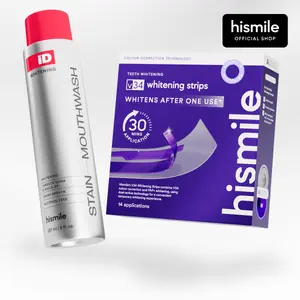
Hismile US
4.5
1.3K sold
$52.74


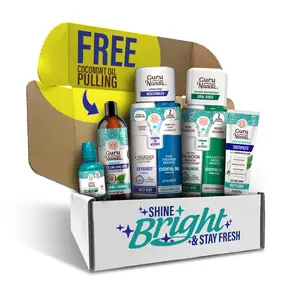
GuruNanda LLC
4.7
7.3K sold
-23%$42.19$54.85


GuruNanda LLC
4.6
45.8K sold
-23%$42.19$54.85


Related Searches
Related Categories
Introduction
Mouthwash is an essential part of many people's oral hygiene routines, and a common question arises: does mouthwash kill bacteria? The answer is a resounding yes! Most mouthwashes contain antiseptic ingredients that effectively target and kill harmful bacteria in the mouth. This not only helps in reducing plaque buildup but also combats bad breath, resulting in a fresher and cleaner mouth.
When selecting a mouthwash, it's crucial to choose one that suits your specific needs. Here are some key points to consider:
When selecting a mouthwash, it's crucial to choose one that suits your specific needs. Here are some key points to consider:
- Active Ingredients: Look for mouthwashes containing chlorhexidine, cetylpyridinium chloride, or essential oils, as these are proven to kill bacteria.
- Alcohol Content: Some mouthwashes contain alcohol, which can be effective at killing bacteria but may also cause dryness. Alcohol-free options are available for those with sensitive mouths.
- Fluoride Options: If you're looking to strengthen your teeth as well, consider mouthwashes that include fluoride for added protection against cavities.
- Targeted Solutions: Some mouthwashes are formulated for specific issues, such as gum disease or bad breath, so choose one that aligns with your oral health needs.