diy serum for face
DIY serum for face refers to a homemade skincare product that combines various beneficial ingredients to nourish and enhance the skin's appearance. These serums are often tailored to individual skin types and concerns, offering a personalized approach to skincare.
Featured brands
Authenticated productsVerified shops


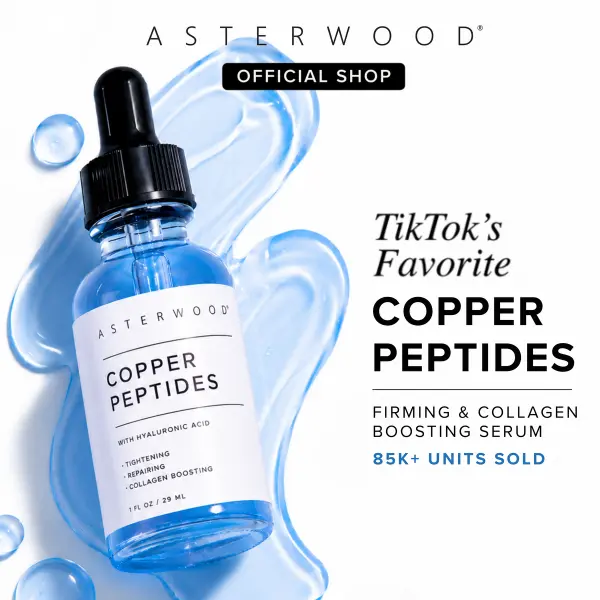


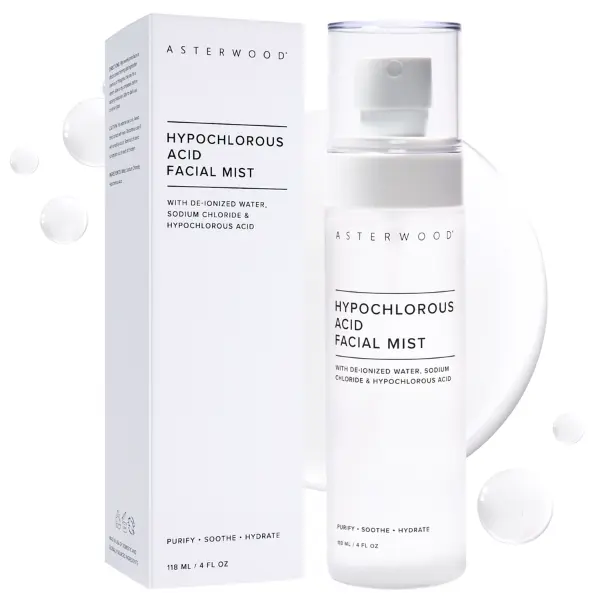


Asterwood

4.9
695 sold
-29%$9.99$13.99


Asterwood
51 sold
-31%$74.99$108.98


Asterwood
4.6
100.9K sold
-15%$21.99$25.99
![[38% Deal] Silk Lifting Peptide Ampoule | Wrinkle Care | Face-Lift at Home serum with Peptides & Deep Collagen | Plumping, Smooth, Anti aging Korean Skincare](https://p19-oec-general-useast5.ttcdn-us.com/tos-useast5-i-omjb5zjo8w-tx/fe009c3250ac4213804df7e805b1c1ac~tplv-fhlh96nyum-resize-webp:600:600.webp?dr=12190&t=555f072d&ps=933b5bde&shp=8dbd94bf&shcp=a6e80448&idc=useast5&from=2378011839 "[38% Deal] Silk Lifting Peptide Ampoule | Wrinkle Care | Face-Lift at Home serum with Peptides & Deep Collagen | Plumping, Smooth, Anti aging Korean Skincare")
![[Torriden Official] DIVE IN Low-Molecular Hyaluronic Acid Moisturizing Serum 50mL - Lightweight Facial Serum for Adults, Sensitive Skin, Plump Glowing Skin, Hydrate & Gentle Care](https://p16-oec-general-useast5.ttcdn-us.com/tos-useast5-i-omjb5zjo8w-tx/07e8901c73f041c8b1f73c992f17b8d8~tplv-fhlh96nyum-resize-webp:600:600.webp?dr=12190&t=555f072d&ps=933b5bde&shp=8dbd94bf&shcp=a6e80448&idc=useast5&from=2378011839 "[Torriden Official] DIVE IN Low-Molecular Hyaluronic Acid Moisturizing Serum 50mL - Lightweight Facial Serum for Adults, Sensitive Skin, Plump Glowing Skin, Hydrate & Gentle Care")
![[Sungboon] The 30+ Edit (PDRN + Kojic + Peptide)](https://p16-oec-general-useast5.ttcdn-us.com/tos-useast5-i-omjb5zjo8w-tx/e6ac4c34e9ca4010b278303aae2e99b9~tplv-fhlh96nyum-resize-webp:600:600.webp?dr=12190&t=555f072d&ps=933b5bde&shp=8dbd94bf&shcp=a6e80448&idc=useast5&from=2378011839 "[Sungboon] The 30+ Edit (PDRN + Kojic + Peptide)")
![[SKIN1004 Official Shop] Centella Ampoule (55ml & 100ml) - Hydrating Facial Serum Soothes and Calms Sensitive Skin, Daily Mild Skincare](https://p16-oec-general-useast5.ttcdn-us.com/tos-useast5-i-omjb5zjo8w-tx/fb1910fb95484508bf0a6edc871a3fa9~tplv-fhlh96nyum-resize-webp:600:600.webp?dr=12190&t=555f072d&ps=933b5bde&shp=8dbd94bf&shcp=a6e80448&idc=useast5&from=2378011839 "[SKIN1004 Official Shop] Centella Ampoule (55ml & 100ml) - Hydrating Facial Serum Soothes and Calms Sensitive Skin, Daily Mild Skincare")
SKIN1004 US

4.7
48.0K sold
-6%$15.51$16.50

The Ordinary Store
4.6
99.1K sold
$11.69


Asterwood
4.5
160 sold
-11%$33.99$37.99
![[SKIN1004 Official Shop] Ultimate Ampoule Trio | Centella Ampoule for Sensitive Skin + Tone Brightening Ampoule + Pore Care Fresh Ampoule](https://p16-oec-general-useast5.ttcdn-us.com/tos-useast5-i-omjb5zjo8w-tx/45e09ba6e85444d186ca2791fa2441fa~tplv-fhlh96nyum-resize-webp:600:600.webp?dr=12190&t=555f072d&ps=933b5bde&shp=8dbd94bf&shcp=a6e80448&idc=useast5&from=2378011839 "[SKIN1004 Official Shop] Ultimate Ampoule Trio | Centella Ampoule for Sensitive Skin + Tone Brightening Ampoule + Pore Care Fresh Ampoule")
SKIN1004 US
4.8
6.1K sold
-30%$49.00$70.00

The Ordinary Store
4.6
130.3K sold
$10.99


Asterwood
4.6
1.4K sold
-19%$38.99$47.98


![[medicube] Ultra Light PDRN Pink Peptide Serum | Lightweight Hydrating Serum with Salmon PDRN & Hyaluronic Acid | Fast-Absorbing Glow Care for Skin Clarity | K-Beauty, Korean Skincare (30ml / 1.01 fl. oz.) (110ml / 3.72 oz)](https://p16-oec-general-useast5.ttcdn-us.com/tos-useast5-i-omjb5zjo8w-tx/e9854380684e42489f5802b6687bfeb3~tplv-fhlh96nyum-resize-webp:600:600.webp?dr=12190&t=555f072d&ps=933b5bde&shp=8dbd94bf&shcp=a6e80448&idc=useast5&from=2378011839 "[medicube] Ultra Light PDRN Pink Peptide Serum | Lightweight Hydrating Serum with Salmon PDRN & Hyaluronic Acid | Fast-Absorbing Glow Care for Skin Clarity | K-Beauty, Korean Skincare (30ml / 1.01 fl. oz.) (110ml / 3.72 oz)")
![[SKIN1004 Official Shop] LAB IN NATURE Azelaic Acid 10 Ampoule 30ml - Blemish Care, Visible Redness Soothing, Texture Refinement, Lightweight Hydration for Blemish-Prone Skin - Facial](https://p16-oec-general-useast5.ttcdn-us.com/tos-useast5-i-omjb5zjo8w-tx/b82c54e9c7164ee4b63b9a543f48a067~tplv-fhlh96nyum-resize-webp:600:600.webp?dr=12190&t=555f072d&ps=933b5bde&shp=8dbd94bf&shcp=a6e80448&idc=useast5&from=2378011839 "[SKIN1004 Official Shop] LAB IN NATURE Azelaic Acid 10 Ampoule 30ml - Blemish Care, Visible Redness Soothing, Texture Refinement, Lightweight Hydration for Blemish-Prone Skin - Facial")


Related Searches
Related Categories
Introduction
Creating your own DIY serum for face can be a rewarding and effective way to care for your skin. With the right ingredients, you can formulate a serum that targets specific skin issues such as dryness, aging, or acne. DIY serums are not only customizable but also allow you to control the quality and source of each component, ensuring proven quality and safety for your skin.
Here are some popular ingredients often used in DIY face serums:
When making a DIY serum for face, consider your skin type and specific concerns. For example, if you have oily skin, you may want to avoid heavy oils and focus on lighter options. On the other hand, dry skin types may benefit from richer oils and moisturizing components.
Remember to conduct a patch test with any new ingredients to ensure there are no adverse reactions. By crafting your own serum, you can achieve a tailored skincare solution that is not only effective but also cost-effective. Join the thousands who have embraced DIY skincare and discover the joy of creating your own beauty products.
Here are some popular ingredients often used in DIY face serums:
- Carrier Oils: Oils like jojoba, almond, or rosehip provide hydration and nourishment.
- Essential Oils: Oils such as lavender or tea tree can offer additional benefits like calming or antibacterial properties.
- Vitamins: Vitamin E and C are excellent for skin health and protection.
- Botanical Extracts: Ingredients like green tea or aloe vera can enhance the serum's effectiveness.
When making a DIY serum for face, consider your skin type and specific concerns. For example, if you have oily skin, you may want to avoid heavy oils and focus on lighter options. On the other hand, dry skin types may benefit from richer oils and moisturizing components.
Remember to conduct a patch test with any new ingredients to ensure there are no adverse reactions. By crafting your own serum, you can achieve a tailored skincare solution that is not only effective but also cost-effective. Join the thousands who have embraced DIY skincare and discover the joy of creating your own beauty products.