Results for "dime us coin"
Dime is a ten-cent coin in the United States, known for its small size and distinctive design.


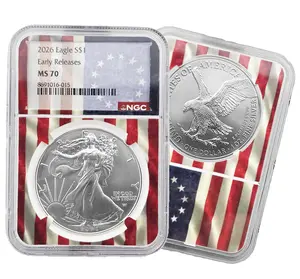





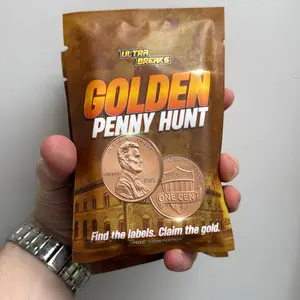
$195.00


Related Searches
Related Categories
Introduction
The dime, a ten-cent coin, is one of the most recognizable forms of currency in the United States. Measuring just 17.91 mm in diameter, it is the smallest and thinnest coin currently minted. The dime is made primarily of a combination of copper and nickel, giving it a silver-like appearance that many find appealing.
The design of the dime has evolved over the years, with the current version featuring the profile of President Franklin D. Roosevelt on the obverse, and a torch, olive branch, and oak branch on the reverse, symbolizing liberty, peace, and strength.
For collectors and enthusiasts, dimes can hold significant value, especially rare or vintage editions. Here are some key points to consider when exploring dimes:
The design of the dime has evolved over the years, with the current version featuring the profile of President Franklin D. Roosevelt on the obverse, and a torch, olive branch, and oak branch on the reverse, symbolizing liberty, peace, and strength.
For collectors and enthusiasts, dimes can hold significant value, especially rare or vintage editions. Here are some key points to consider when exploring dimes:
- Collectibility: Certain dimes, like the 1894-S Barber Dime, can fetch thousands of dollars at auction.
- Usage: Dimes are commonly used in everyday transactions, making them a staple in American commerce.
- Investment: Investing in dimes and other coins can be a good way to diversify your portfolio.