Results for "Digital vs non digital guitar pedals"
Digital guitar pedals use digital signal processing to modify sound, while non-digital (analog) pedals rely on analog circuitry for their effects. Both types offer unique tonal characteristics and functionalities for guitarists.


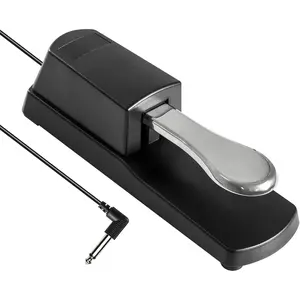
5.0
7 sold
-50%$15.70$31.50


donnermusic.shop

4.3
71 sold
$51.11


Related Searches
Related Categories
Introduction
When it comes to enhancing your guitar sound, the debate between digital vs non-digital guitar pedals is a hot topic among musicians. Digital guitar pedals utilize advanced technology to process sound, offering a wide array of effects and presets that can be easily manipulated. These pedals are renowned for their versatility and ability to replicate various sounds, making them a popular choice for modern guitarists. On the other hand, non-digital or analog guitar pedals are celebrated for their warm, organic tones. They rely on traditional circuitry to create effects, often preferred by purists who appreciate the natural sound and simplicity of analog technology.
Here are some key points to consider when choosing between digital and non-digital guitar pedals:
Here are some key points to consider when choosing between digital and non-digital guitar pedals:
- Sound Quality: Analog pedals often provide a warmer, richer sound, while digital pedals can offer pristine clarity and a wider range of effects.
- Versatility: Digital pedals usually come with multiple effects and presets, allowing for greater experimentation.
- Ease of Use: Digital pedals may have complex interfaces, while analog pedals are typically more straightforward.
- Maintenance: Analog pedals can be more durable and easier to repair, while digital pedals might require software updates.
- Price: Digital pedals can range widely in price depending on features, while analog pedals often have a consistent price point.