Results for "difference between probiotic and prebiotic"
Probiotics are live bacteria that provide health benefits when consumed, while prebiotics are non-digestible fibers that feed these beneficial bacteria.


Goli Nutrition

4.7
32.0K sold
-56%$36.00$82.49


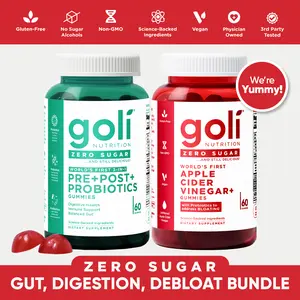
Goli Nutrition
4.5
38.0K sold
-63%$28.60$77.00


4.5
13.3K sold
-54%$13.75$29.72


Physician's Choice
4.4
690 sold
-29%$91.57$128.89


Goli Nutrition

4.5
195.3K sold
-40%$15.96$26.61


Physician's Choice
4.4
685.5K sold
-25%$41.52$55.05

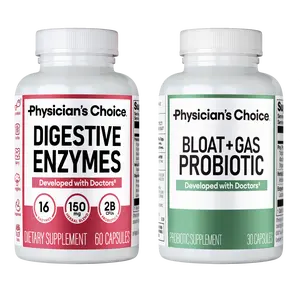
Physician's Choice
4.9
1.1K sold
-24%$53.24$70.29

Related Searches
Related Categories
Introduction
Understanding the difference between probiotics and prebiotics is essential for anyone interested in gut health and overall wellness. Probiotics are live microorganisms, often referred to as 'good' bacteria, that can be found in various foods and supplements. They contribute to a healthy gut microbiome, which can enhance digestion, boost the immune system, and even improve mental health. Common sources of probiotics include yogurt, kefir, sauerkraut, and dietary supplements.
On the other hand, prebiotics are types of dietary fiber that serve as food for probiotics. They are not digestible by humans but are crucial for the growth and maintenance of beneficial gut bacteria. Foods rich in prebiotics include garlic, onions, bananas, and whole grains. By consuming prebiotics, you can help ensure that your probiotics thrive, leading to better gut health.
Here are some key points to consider regarding probiotics and prebiotics:
On the other hand, prebiotics are types of dietary fiber that serve as food for probiotics. They are not digestible by humans but are crucial for the growth and maintenance of beneficial gut bacteria. Foods rich in prebiotics include garlic, onions, bananas, and whole grains. By consuming prebiotics, you can help ensure that your probiotics thrive, leading to better gut health.
Here are some key points to consider regarding probiotics and prebiotics:
- Gut Health: Both are vital for maintaining a balanced gut microbiome.
- Sources: Probiotics come from fermented foods and supplements, while prebiotics are found in fiber-rich foods.
- Function: Probiotics introduce beneficial bacteria, and prebiotics nourish them.