diagnostic devices
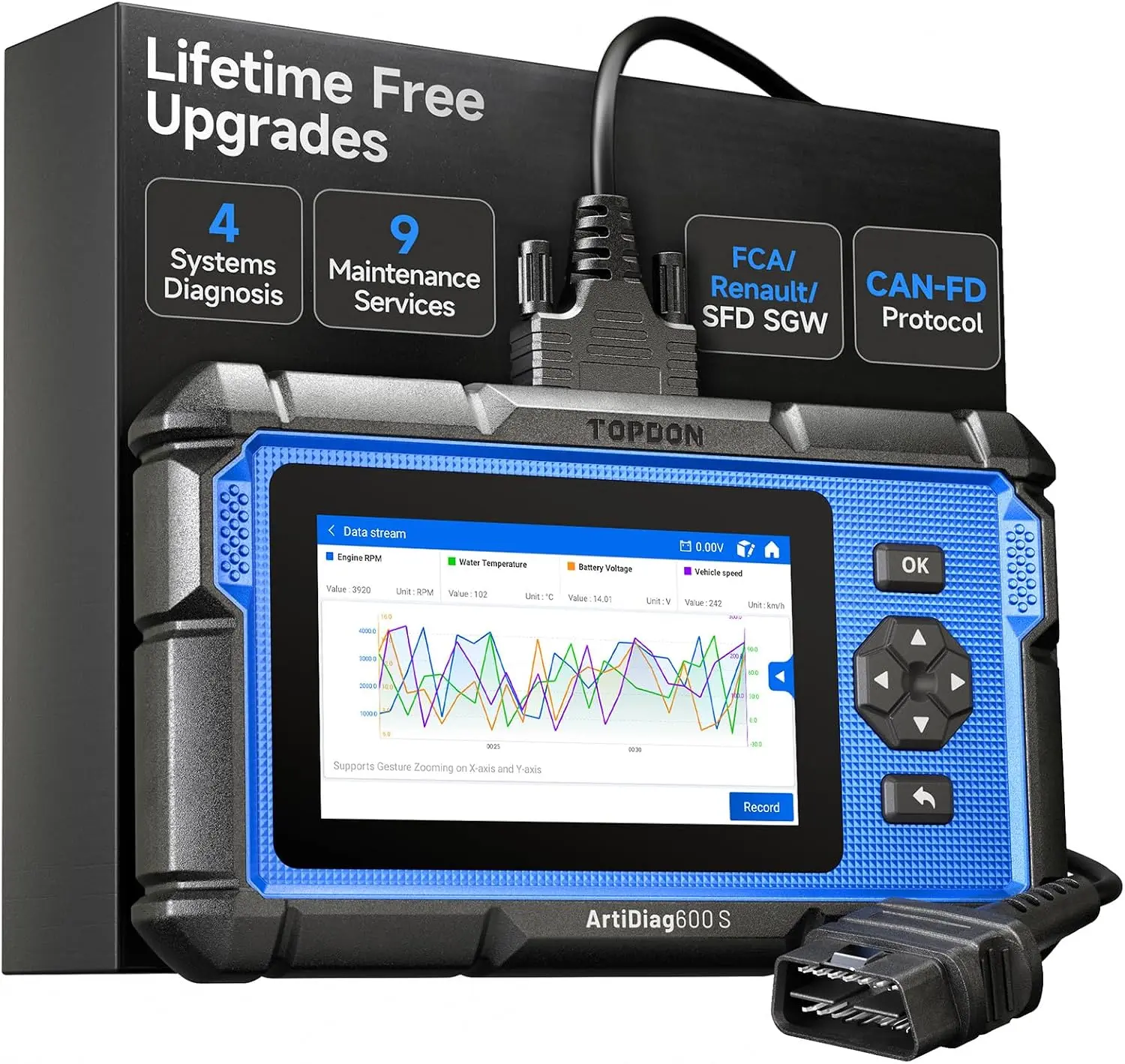
Diagnostic devices are tools used to identify and analyze problems in various systems, particularly in medical and technical fields. They help in assessing the functionality and performance of equipment, ensuring accurate results.
Featured brands
Authenticated productsVerified shops




Topdonshop

4.6
33.5K sold
$239.00

Related Searches
Related Categories
Introduction
Diagnostic devices play a crucial role in both medical and technical fields. These instruments are designed to detect and analyze issues within systems, providing valuable insights for troubleshooting and maintenance. When it comes to Electrical Measuring Instruments, they are essential for ensuring the proper functioning of electrical systems. These devices can measure voltage, current, resistance, and other electrical parameters, making them indispensable for electricians and engineers alike.
Here are some common uses and benefits of diagnostic devices:
Investing in high-quality diagnostic devices ensures proven quality and reliability. Trusted by professionals across industries, these instruments are designed to meet rigorous standards. Whether you are a technician looking to enhance your toolkit or a medical professional aiming for precise diagnostics, understanding the capabilities of diagnostic devices is vital. Regular updates and advancements in technology mean that users should stay informed about the latest tools available in the market.
In summary, diagnostic devices, particularly Electrical Measuring Instruments, are essential for maintaining the integrity and functionality of systems, ensuring safety and efficiency in operations.
Here are some common uses and benefits of diagnostic devices:
- Precision: They offer accurate measurements that help in identifying faults.
- Efficiency: Quick diagnosis leads to faster repairs and reduced downtime.
- Versatility: They can be used in various applications, from medical diagnostics to electrical engineering.
Investing in high-quality diagnostic devices ensures proven quality and reliability. Trusted by professionals across industries, these instruments are designed to meet rigorous standards. Whether you are a technician looking to enhance your toolkit or a medical professional aiming for precise diagnostics, understanding the capabilities of diagnostic devices is vital. Regular updates and advancements in technology mean that users should stay informed about the latest tools available in the market.
In summary, diagnostic devices, particularly Electrical Measuring Instruments, are essential for maintaining the integrity and functionality of systems, ensuring safety and efficiency in operations.