culture clothes
Culture clothes refer to traditional garments that are representative of a specific cultural or ethnic group. These outfits often reflect the history, values, and artistry of the culture they originate from.
Featured brands
Authenticated productsVerified shops


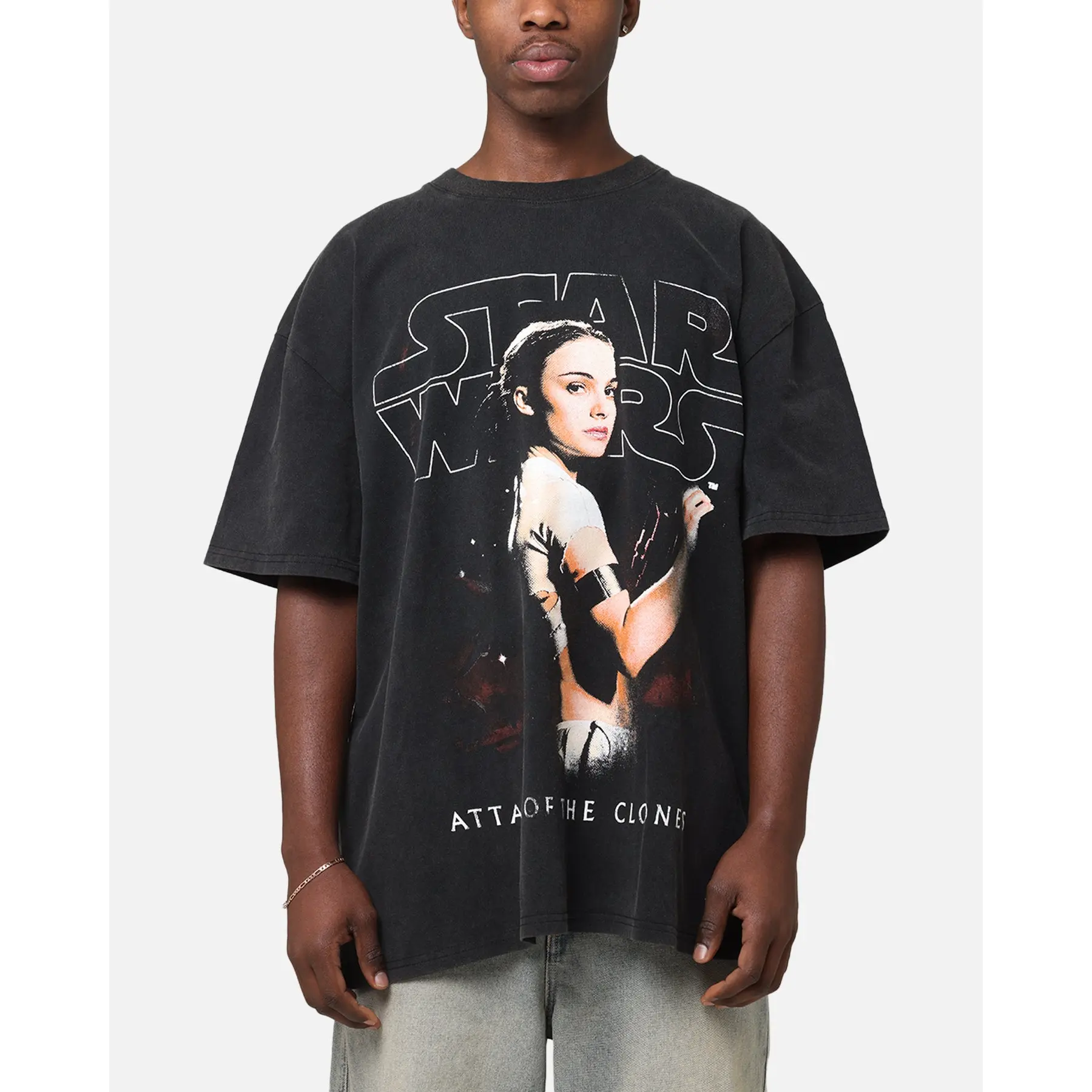
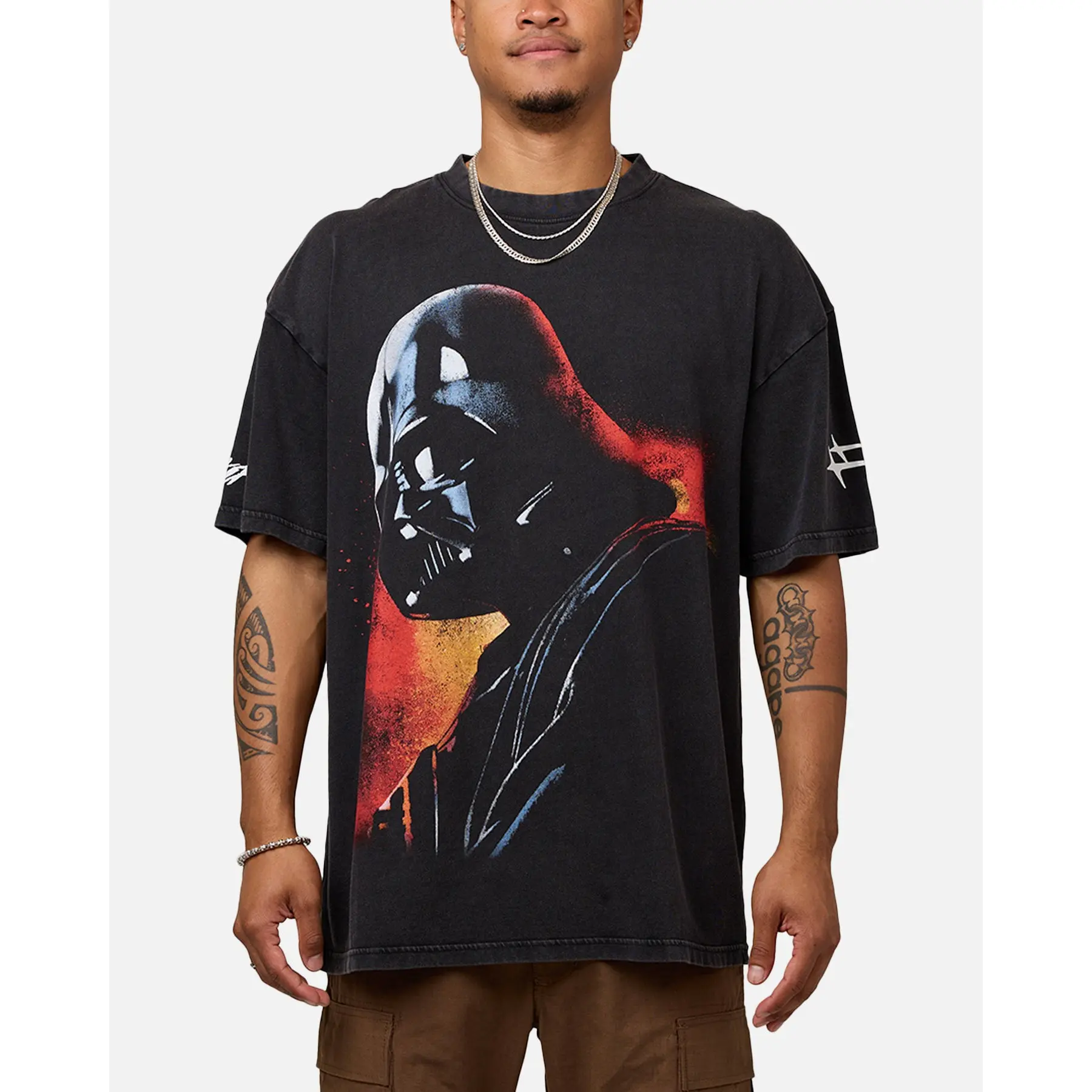


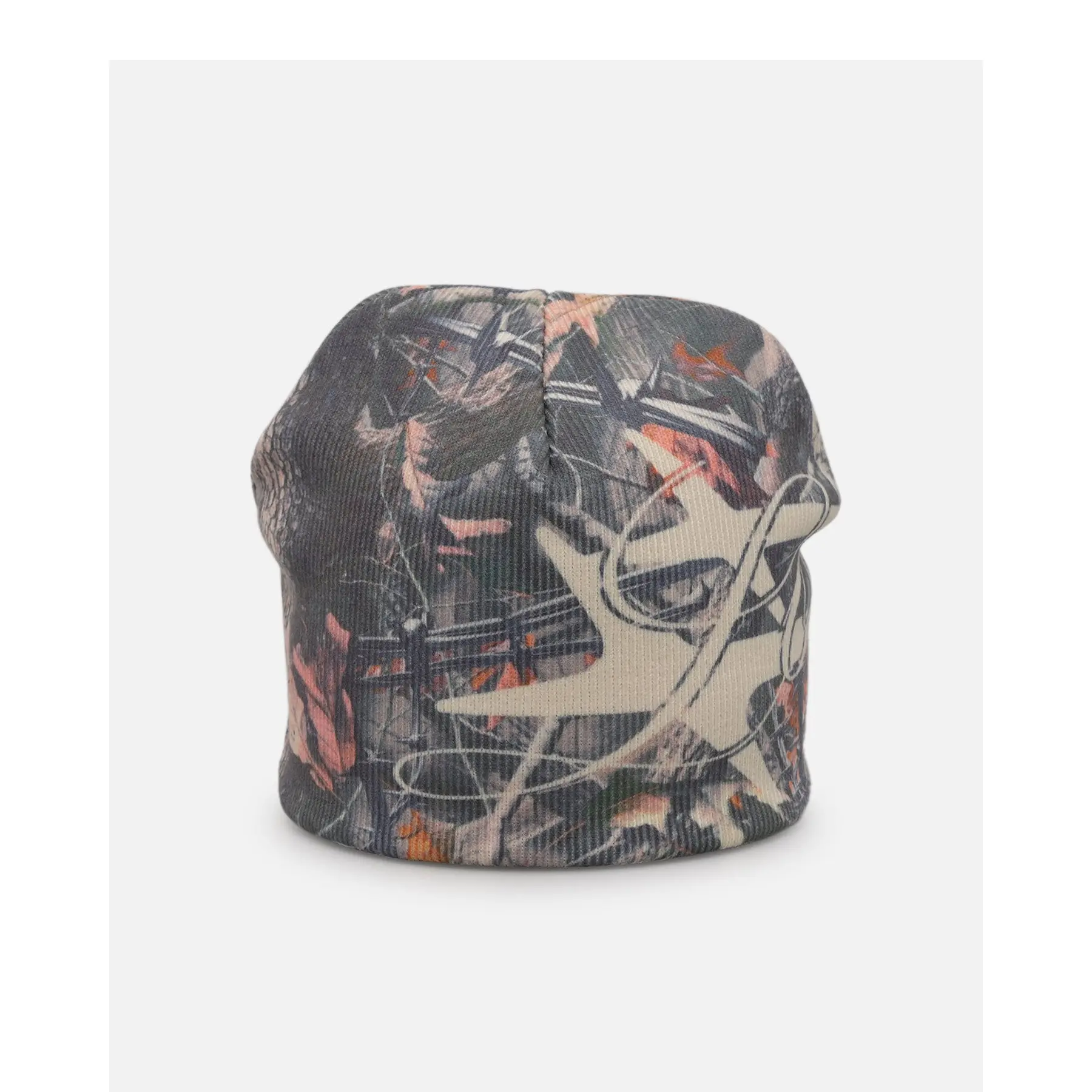


![[Sale Up To 50%] Doctor Doom Quote Shirt, Doomsday Inspired Tee, Villain Graphic T-Shirt, Graphic Streetwear T-shirt](https://p19-oec-general-useast5.ttcdn-us.com/tos-useast5-i-omjb5zjo8w-tx/09a65a455e354dd3a78e5c85a679ae47~tplv-fhlh96nyum-resize-webp:600:600.webp?dr=12190&t=555f072d&ps=933b5bde&shp=8dbd94bf&shcp=a6e80448&idc=useast5&from=2378011839 "[Sale Up To 50%] Doctor Doom Quote Shirt, Doomsday Inspired Tee, Villain Graphic T-Shirt, Graphic Streetwear T-shirt")


![[AVT]Vintage Open Wheel Racing Graphic T-Shirt for Men, Washed 100% Cotton Oversized Tee, Retro Motorsport Car Print Shirt, Speed Culture Streetwear, Loose Fit Crewneck Casual Graphic Tee, Soft Breathable Unisex Gift,symbol t-shirt,funny student shirt](https://p16-oec-general-useast5.ttcdn-us.com/tos-useast5-i-omjb5zjo8w-tx/6af1924eb23e4a1da09eb166f74d6047~tplv-fhlh96nyum-resize-webp:600:600.webp?dr=12190&t=555f072d&ps=933b5bde&shp=8dbd94bf&shcp=a6e80448&idc=useast5&from=2378011839 "[AVT]Vintage Open Wheel Racing Graphic T-Shirt for Men, Washed 100% Cotton Oversized Tee, Retro Motorsport Car Print Shirt, Speed Culture Streetwear, Loose Fit Crewneck Casual Graphic Tee, Soft Breathable Unisex Gift,symbol t-shirt,funny student shirt")


AELFRIC EDEN

4.2
1.5K sold
$34.95


Related Searches
Related Categories
Introduction
Culture clothes play a significant role in expressing the identity and heritage of various communities around the world. These traditional garments are not just clothing; they are a symbol of cultural pride and history. When we think about culture clothes, we often envision vibrant colors, intricate patterns, and unique styles that tell a story of the people who wear them.
From the elegant saris of India to the colorful kimonos of Japan, culture clothes are diverse and rich in meaning. They are often worn during festivals, ceremonies, and special occasions, showcasing the craftsmanship and artistry of skilled artisans.
Here are some key aspects of culture clothes:
From the elegant saris of India to the colorful kimonos of Japan, culture clothes are diverse and rich in meaning. They are often worn during festivals, ceremonies, and special occasions, showcasing the craftsmanship and artistry of skilled artisans.
Here are some key aspects of culture clothes:
- Symbolism: Each piece often carries deep meanings, reflecting the wearer’s heritage and traditions.
- Craftsmanship: Many culture clothes are handmade, showcasing the skills and techniques passed down through generations.
- Occasions: These garments are typically worn during significant cultural events, celebrations, or rituals.
- Variations: Different regions and communities have their unique styles and materials, making culture clothes incredibly diverse.