crave protein
Crave protein refers to the desire or need for protein-rich foods or supplements, which are essential for muscle repair and overall health.
Featured brands
Authenticated productsVerified shops







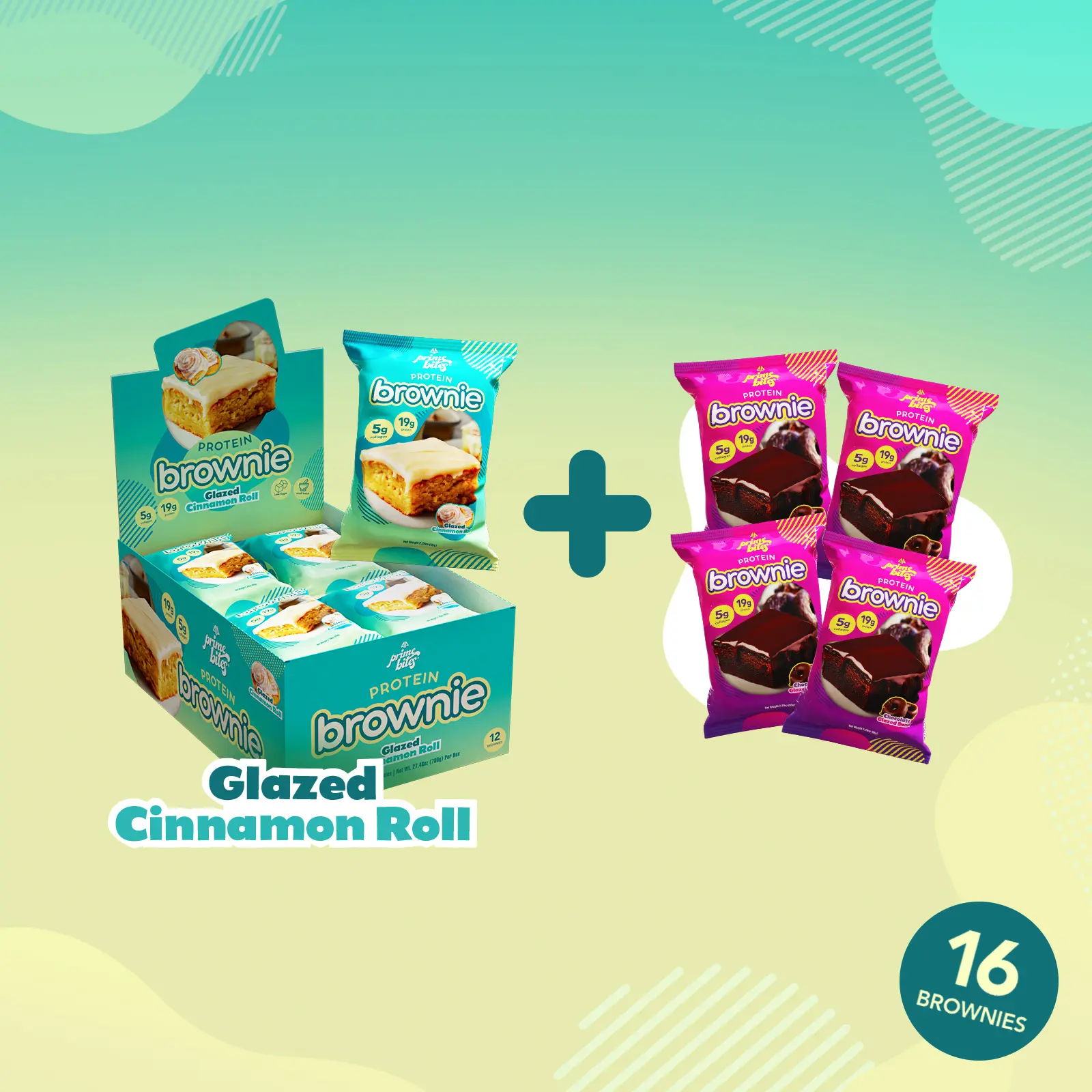


Prime Bites Protein Treats

4.1
455.2K sold
$39.99


NaturalSlimUSA
5.0
298 sold
$34.00


Related Searches
Related Categories
Introduction
Craving protein is a common phenomenon among fitness enthusiasts and those looking to maintain a healthy diet. Protein plays a crucial role in muscle repair, growth, and overall bodily functions. If you find yourself frequently desiring protein, it's important to understand the reasons behind this craving and how to effectively satisfy it.
Protein cravings can stem from various factors, including intense workouts, insufficient protein intake, or simply the body's natural need for this macronutrient. Here are some insights on how to manage and satisfy your protein cravings:
Protein cravings can stem from various factors, including intense workouts, insufficient protein intake, or simply the body's natural need for this macronutrient. Here are some insights on how to manage and satisfy your protein cravings:
- Choose Quality Sources: Opt for high-quality protein sources such as lean meats, fish, dairy, legumes, and protein supplements that are known for their proven quality.
- Incorporate Protein-Rich Snacks: Keep protein-rich snacks handy, such as protein bars, Greek yogurt, or nuts, to satisfy cravings between meals.
- Understand Your Body's Needs: Pay attention to your body's signals. If you're exercising regularly, your protein needs may increase, leading to more frequent cravings.
- Stay Hydrated: Sometimes, thirst can be mistaken for hunger or cravings. Ensure you're drinking enough water throughout the day.
- Plan Your Meals: Include protein in every meal to help manage cravings effectively. This can help you feel fuller and more satisfied.