Connector Cable
Connector Cable: compare listings by size, material, and what is in the box.
Featured brands
Authenticated productsVerified shops


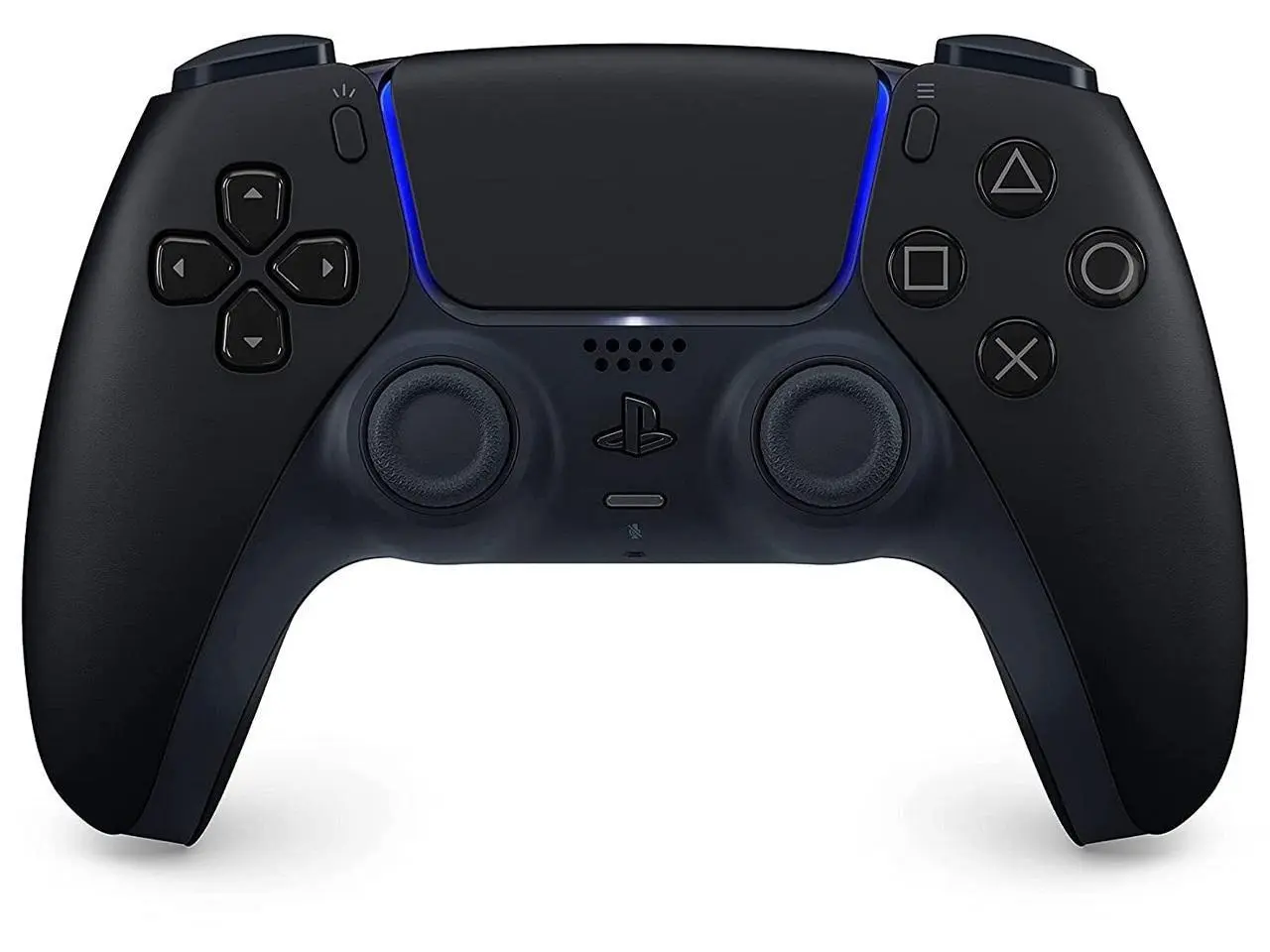
![[Price Drop] Microsoft Xbox Elite Series 2 Wireless Controller - White Accessories Game Console](https://p16-oec-general-useast5.ttcdn-us.com/tos-useast5-i-omjb5zjo8w-tx/26fd9d10f9d447d7a42b12046f863b6d~tplv-fhlh96nyum-crop-webp:1280:960.webp?dr=12190&t=555f072d&ps=933b5bde&shp=8dbd94bf&shcp=a6e80448&idc=useast5&from=2378011839)
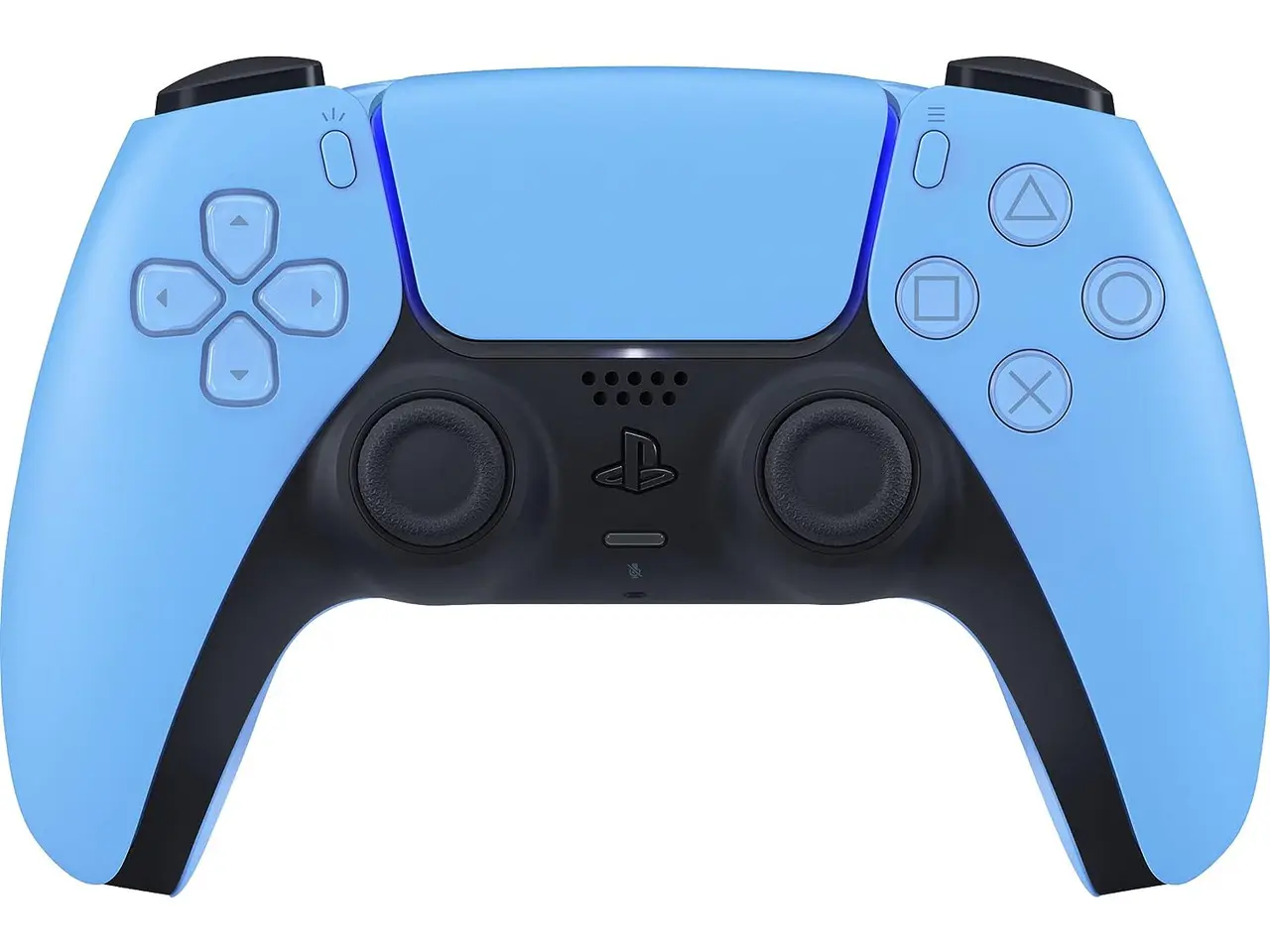


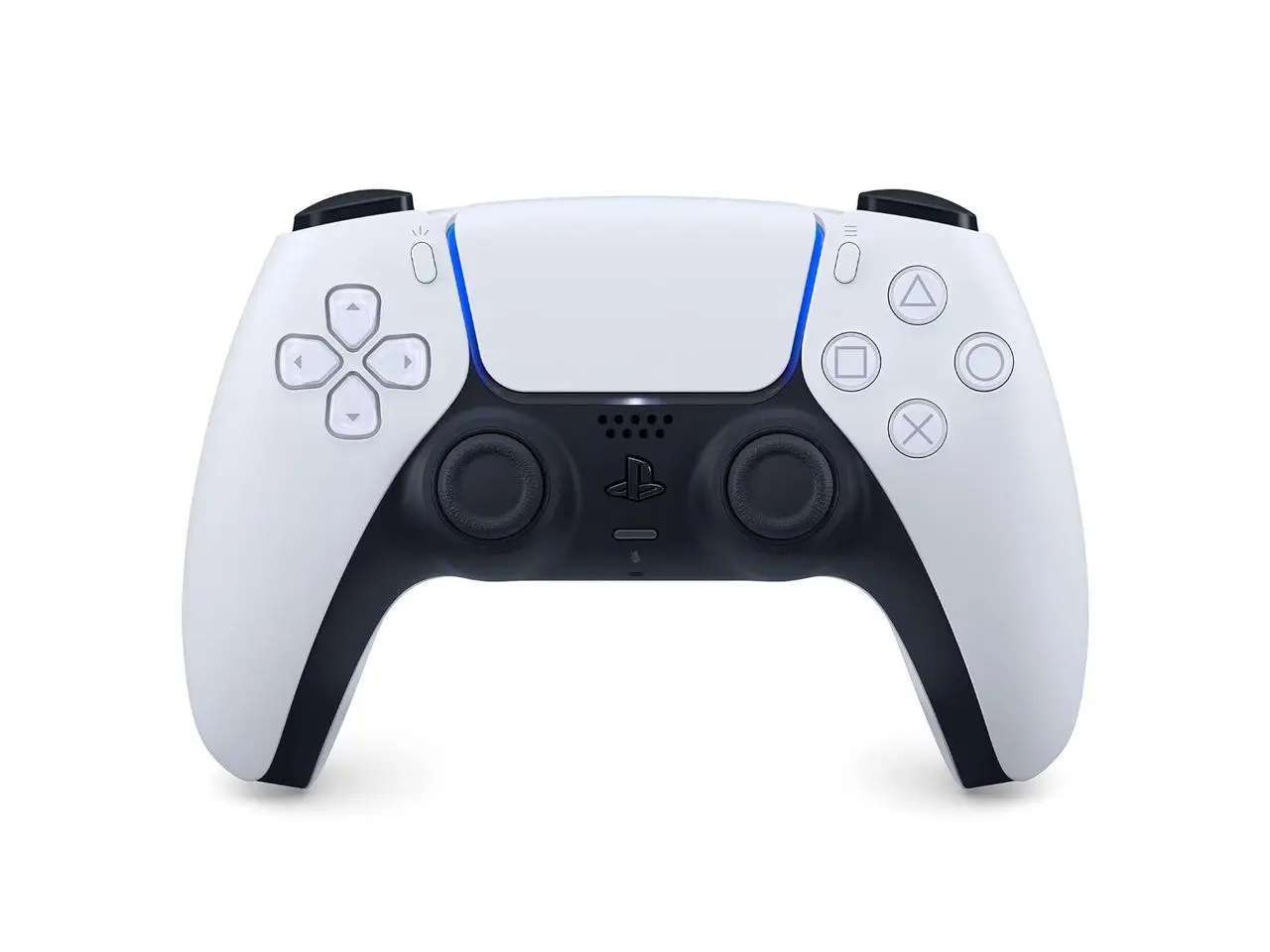


Newegg, Inc.

1 sold
$8.99


![Nilight 2FT SAE DC Extension Cable - 2-Pin Quick Disconnect Plug Connector, 100% Copper Wire, Ring Terminal Harness, Waterproof Cover, Fuse, Trickle Charge for Cars, Scooters, Tractors, Safety Box [Network Components Accessory]](https://p16-oec-general.ttcdn-us.com/tos-maliva-i-o3syd03w52-us/39510e9873d346ed9e59ac10ce022c81~tplv-fhlh96nyum-resize-webp:600:600.webp?dr=12190&t=555f072d&ps=933b5bde&shp=8dbd94bf&shcp=a6e80448&idc=useast5&from=2378011839 "Nilight 2FT SAE DC Extension Cable - 2-Pin Quick Disconnect Plug Connector, 100% Copper Wire, Ring Terminal Harness, Waterproof Cover, Fuse, Trickle Charge for Cars, Scooters, Tractors, Safety Box [Network Components Accessory]")


Related Searches
Related Categories
Introduction
Connector Cable is a product you compare on the printed spec. Size, count, or model. A thumbnail is not the spec. Keep the first order small if the brand is new to you.
- In-box: extras, refills, or chargers. Lifestyle photos hide missing pieces.
- Seller: a brand name in the title is not proof of the brand.
- Care: follow the material. Heat and a hot dryer ruin a lot of first orders.
Compare two cards for Connector Cable in daylight photos, then buy the size you will use.