computer internal memory
Computer internal memory refers to the storage components within a computer system that are used to store data and programs. This includes RAM (Random Access Memory) and storage drives like SSDs (Solid State Drives) and HDDs (Hard Disk Drives).
Featured brands
Authenticated productsVerified shops

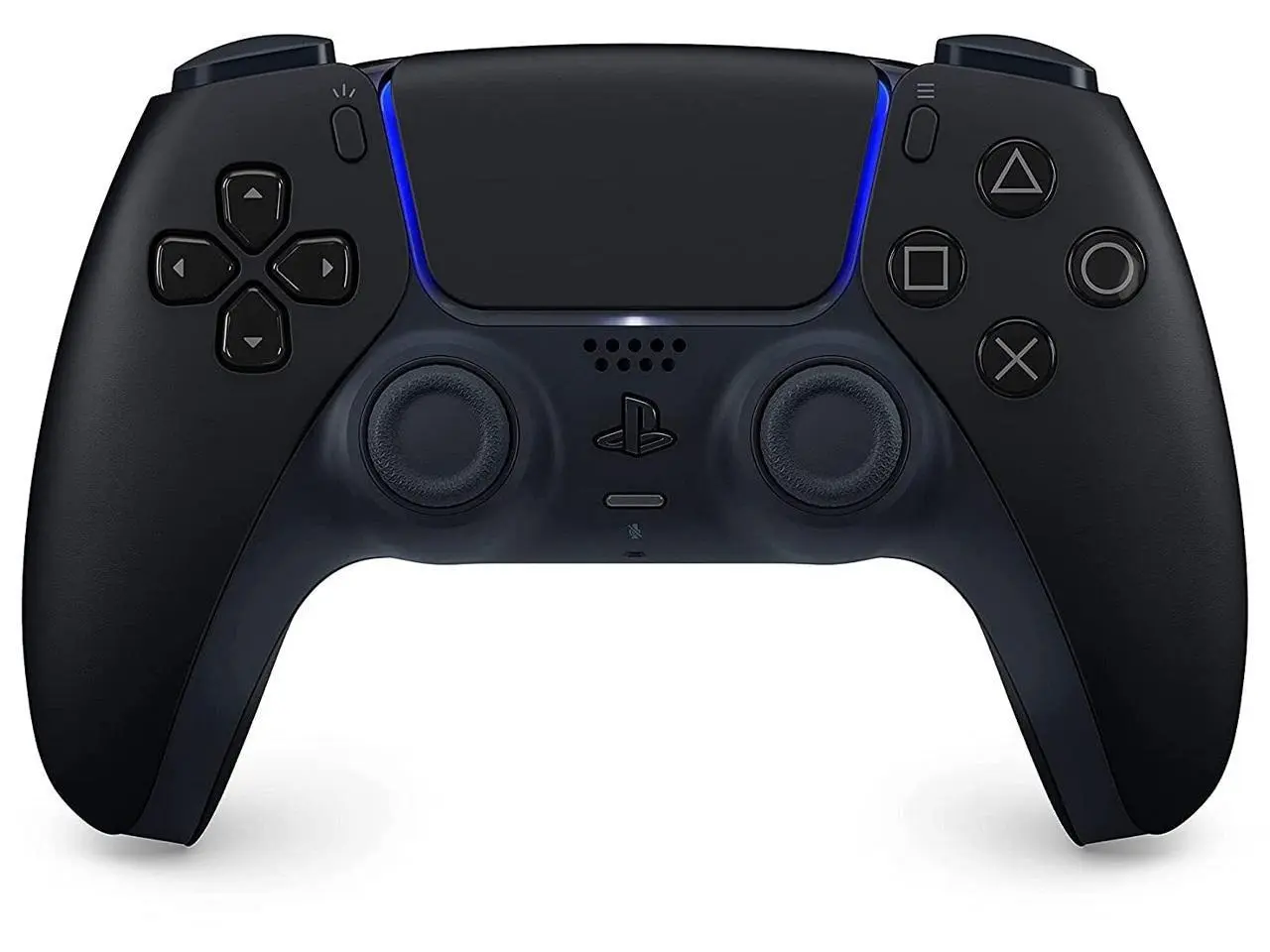
![[Price Drop] Microsoft Xbox Elite Series 2 Wireless Controller - White Accessories Game Console](https://p19-oec-general-useast5.ttcdn-us.com/tos-useast5-i-omjb5zjo8w-tx/26fd9d10f9d447d7a42b12046f863b6d~tplv-fhlh96nyum-crop-webp:1280:960.webp?dr=12190&t=555f072d&ps=933b5bde&shp=8dbd94bf&shcp=a6e80448&idc=useast5&from=2378011839)
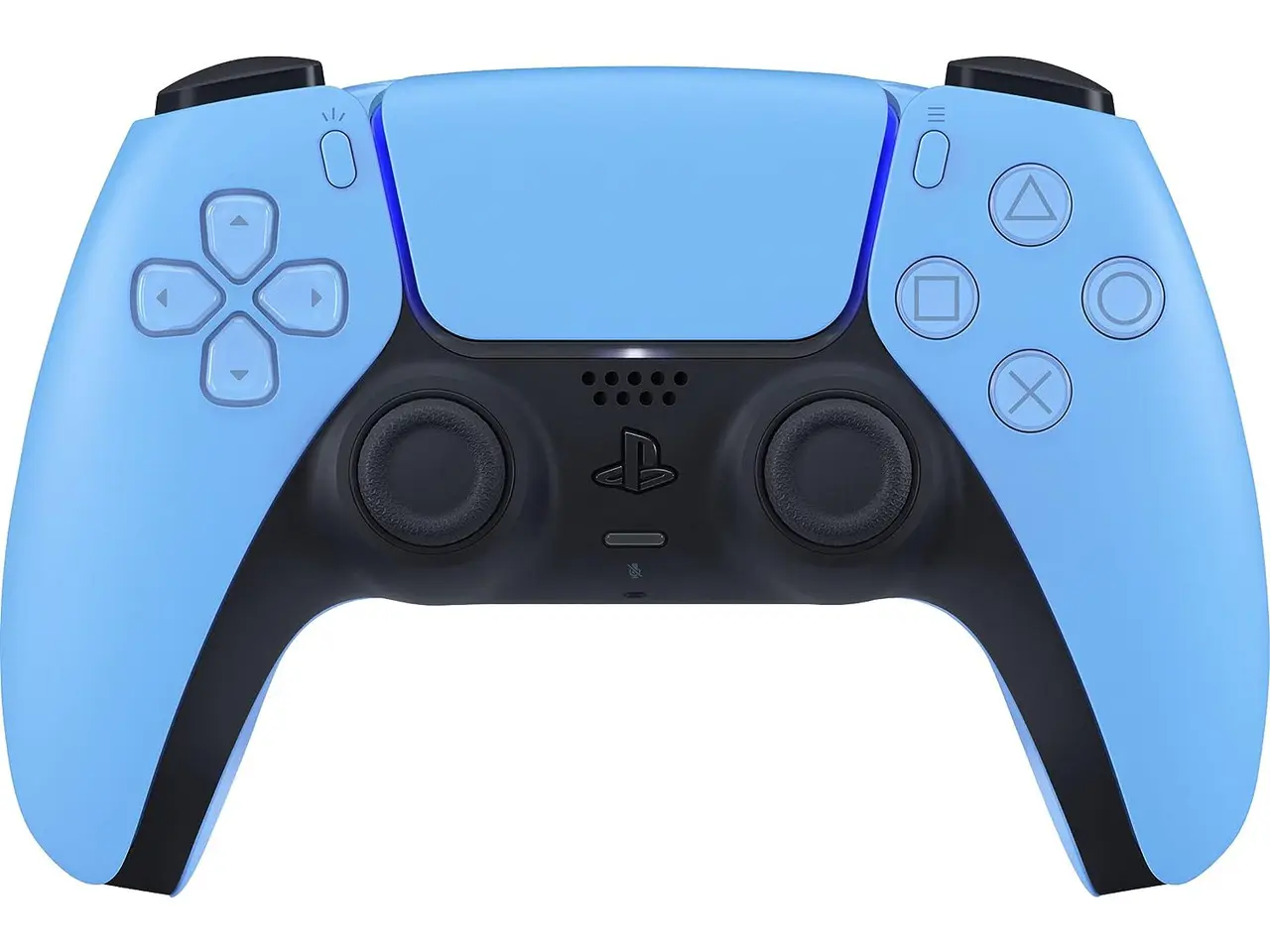

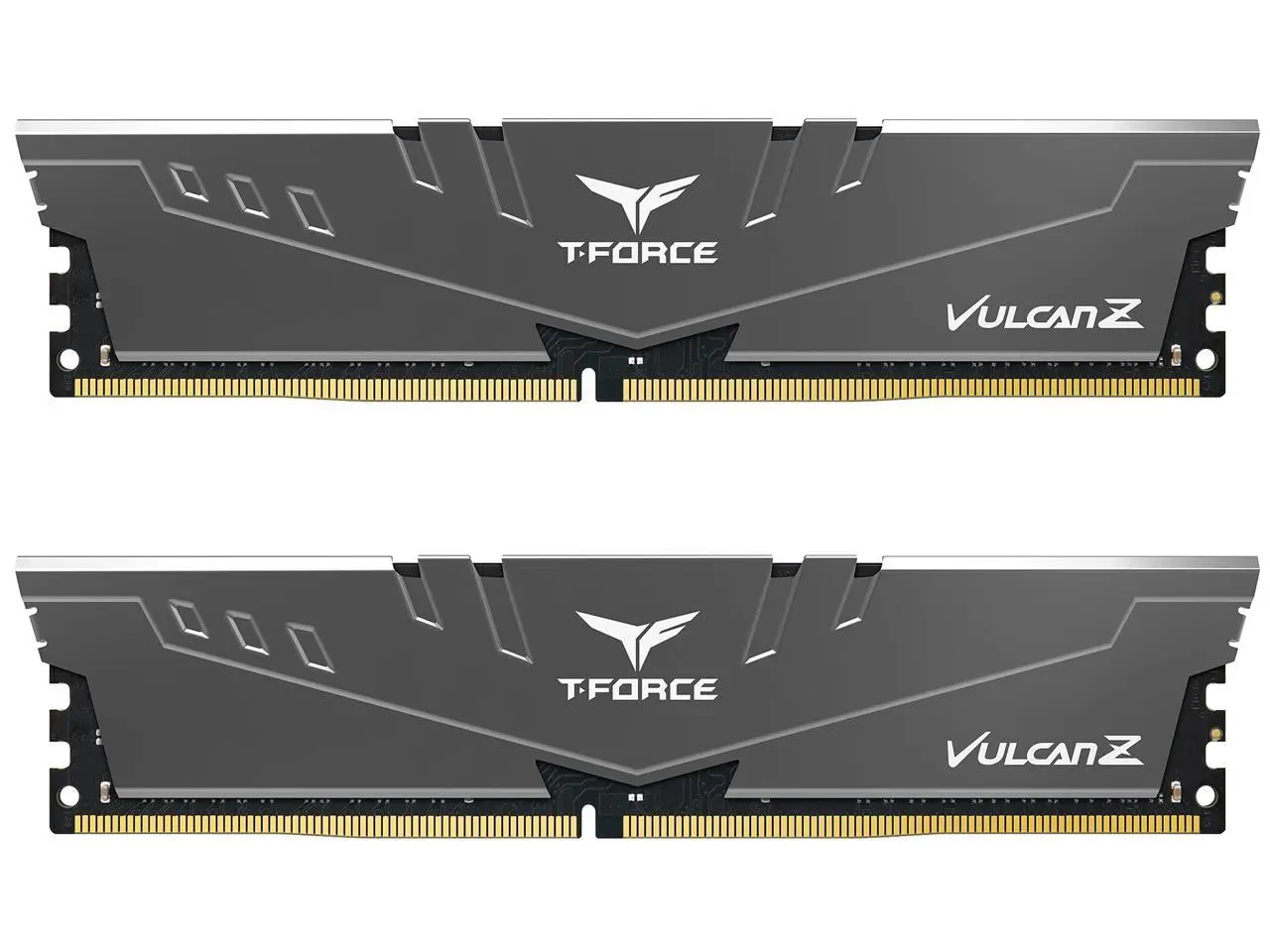
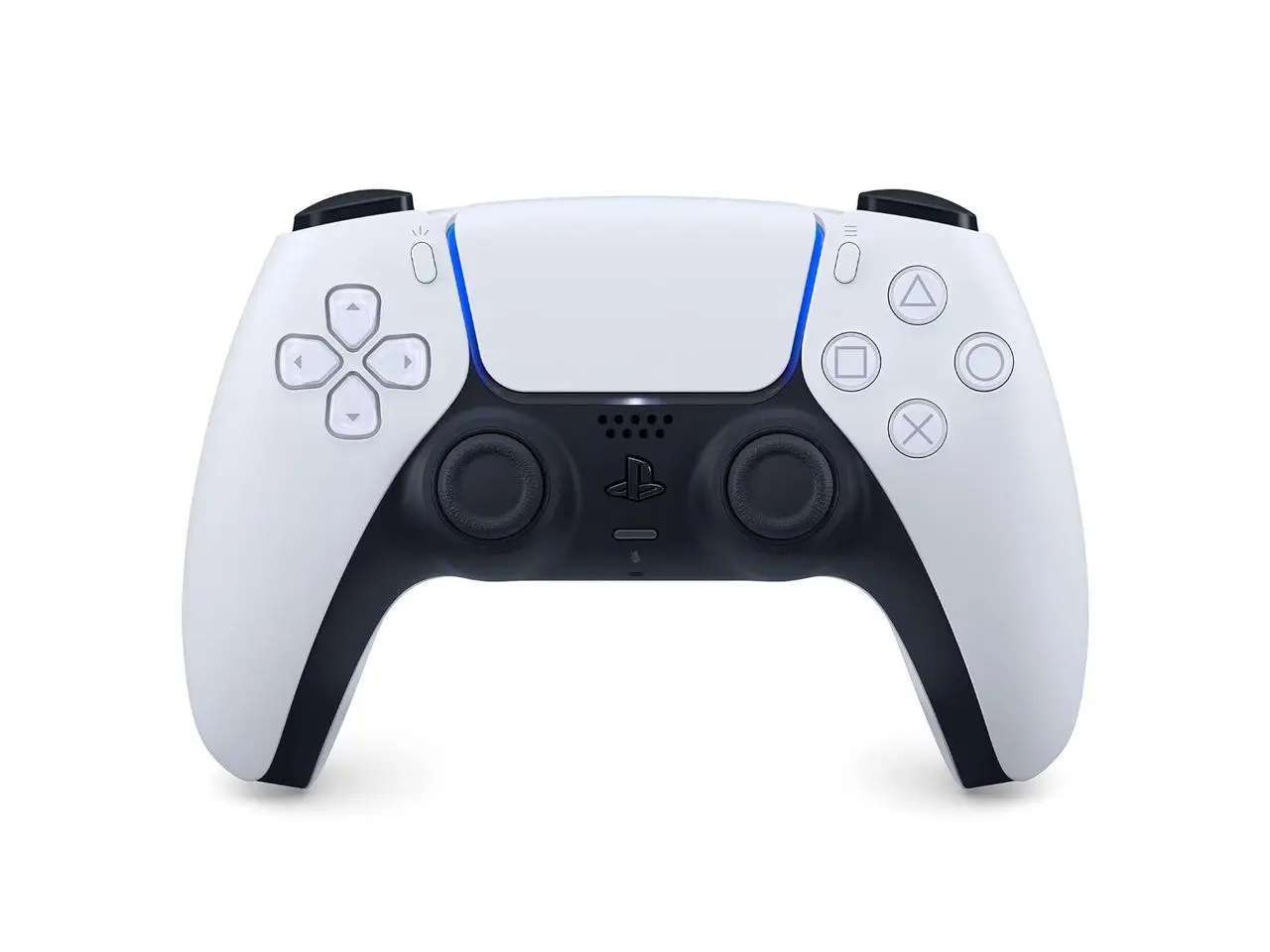


![[Brand] Portable SSD Harddrive - 1TB/4TB High-Speed USB3.2 Type-C External Solid State Drive for Laptops, PCs](https://p16-oec-general.ttcdn-us.com/tos-maliva-i-o3syd03w52-us/085887366aa94ef1ada2e7e9944f17a0~tplv-fhlh96nyum-resize-webp:600:600.webp?dr=12190&t=555f072d&ps=933b5bde&shp=8dbd94bf&shcp=a6e80448&idc=useast5&from=2378011839 "[Brand] Portable SSD Harddrive - 1TB/4TB High-Speed USB3.2 Type-C External Solid State Drive for Laptops, PCs")


Newegg, Inc.

5.0
32 sold
$84.99
Related Searches
Related Categories
Introduction
Internal memory is a crucial aspect of any computer system, influencing its performance and capability. When we talk about computer internal memory, we primarily refer to two types: RAM and storage drives. RAM is essential for the temporary storage of data that the CPU needs while performing tasks, allowing for quick access and smooth multitasking. On the other hand, storage drives, such as SSDs and HDDs, hold your operating system, applications, and filnently.
Understanding the importance of computer internal memory can help you make informed decisions when upgrading or purchasing new hardware. Here are some key points to consider:
Understanding the importance of computer internal memory can help you make informed decisions when upgrading or purchasing new hardware. Here are some key points to consider:
- RAM is measured in gigabytes (GB) and affects how many applications you can run simultaneously.
- SSDs offer faster data access speeds compared to traditional HDDs, improving overall system responsiveness.
- Choosing the right amount of RAM and storage capacity is vital for your specific use case, whether it's gaming, graphic design, or general usage.
- Regularly upgrading your internal memory can extend the lifespan of your computer and enhance its performance.
- Customer-approved products often come with warranties, ensuring proven quality and reliability.