computer input output and storage devices
Computer input, output, and storage devices are essential components that facilitate interaction with computers. Input devices allow users to enter data, output devices display or produce results, and storage devices save information for future use.
Featured brands
Authenticated productsVerified shops

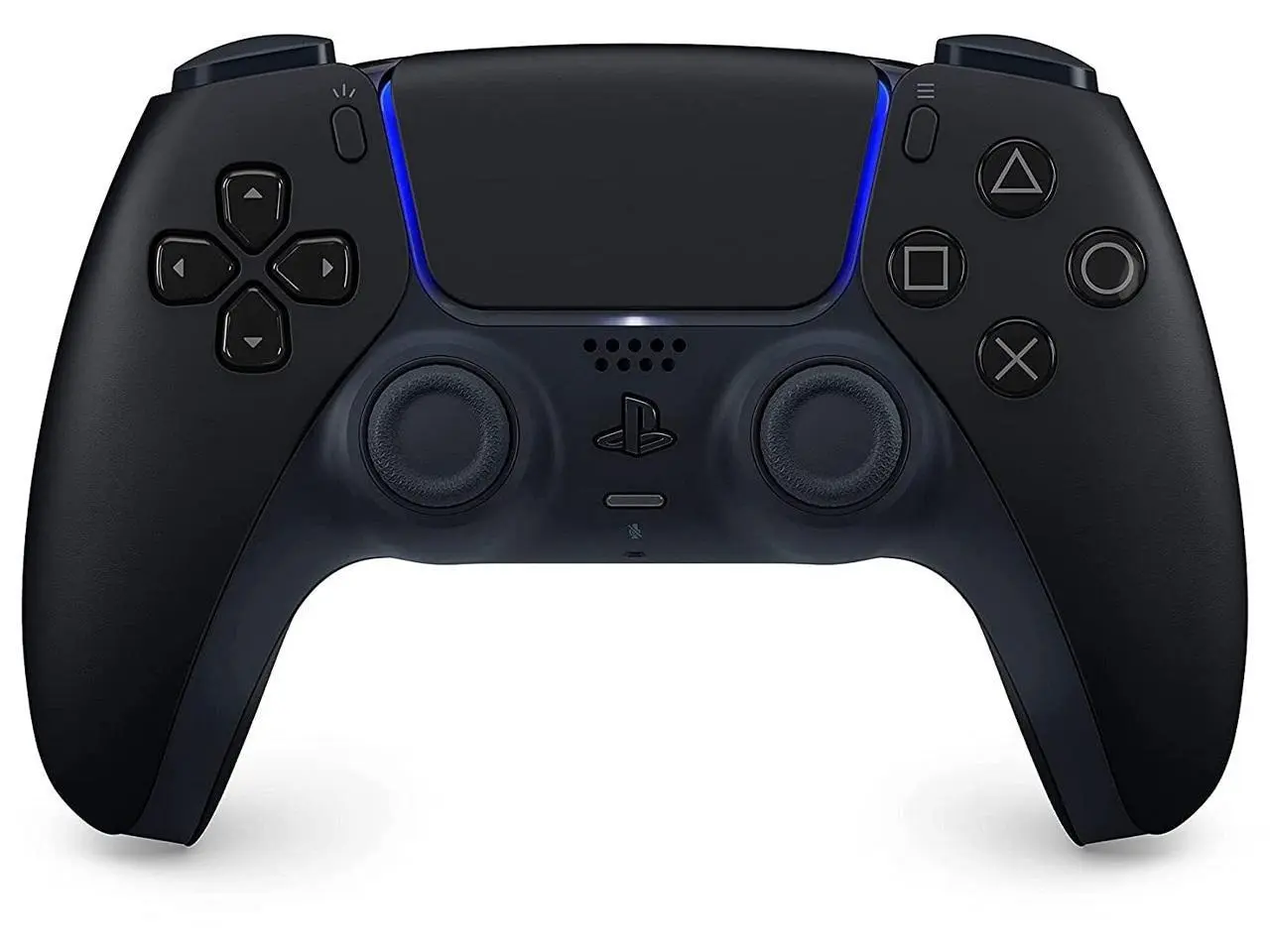

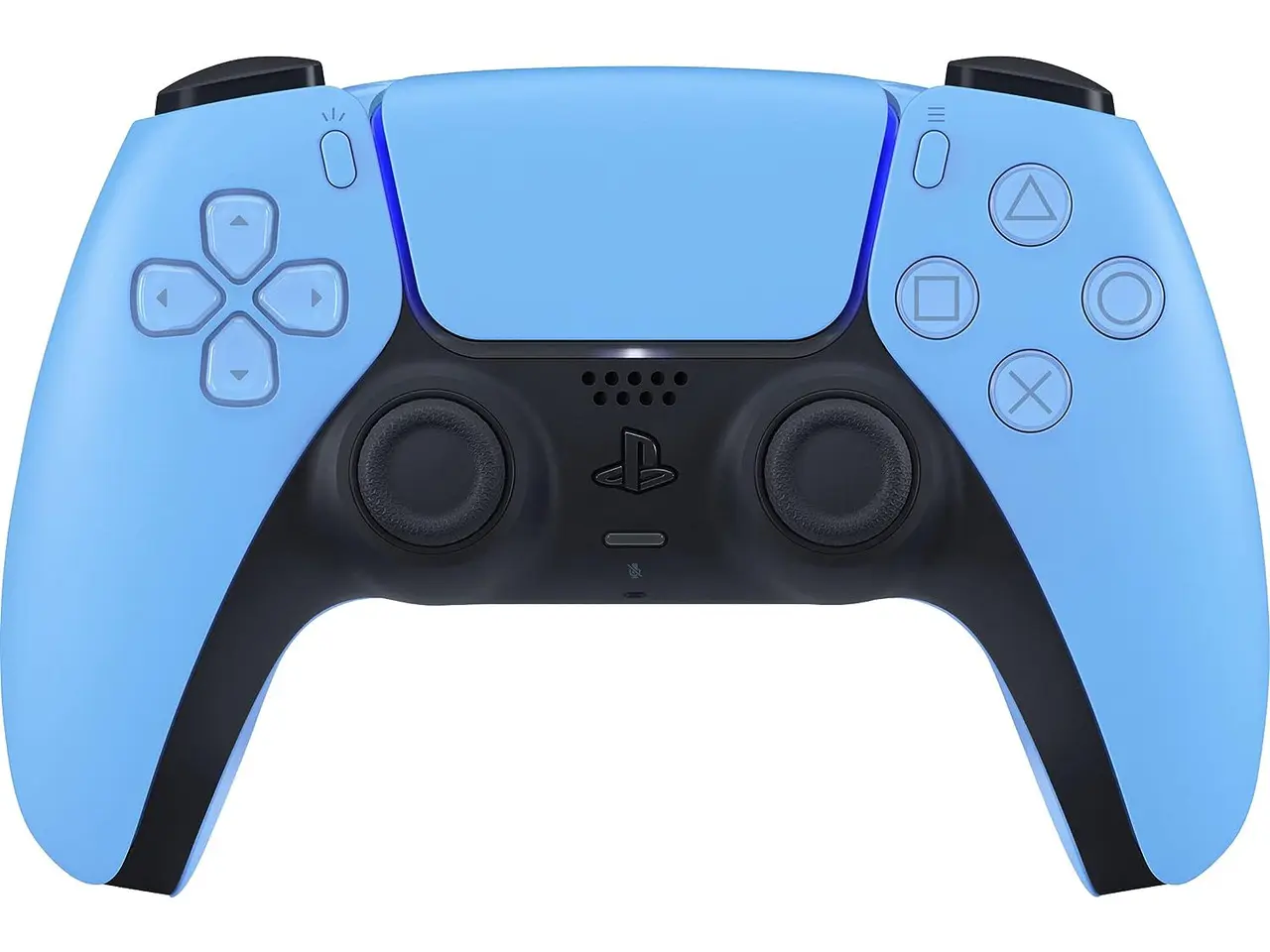

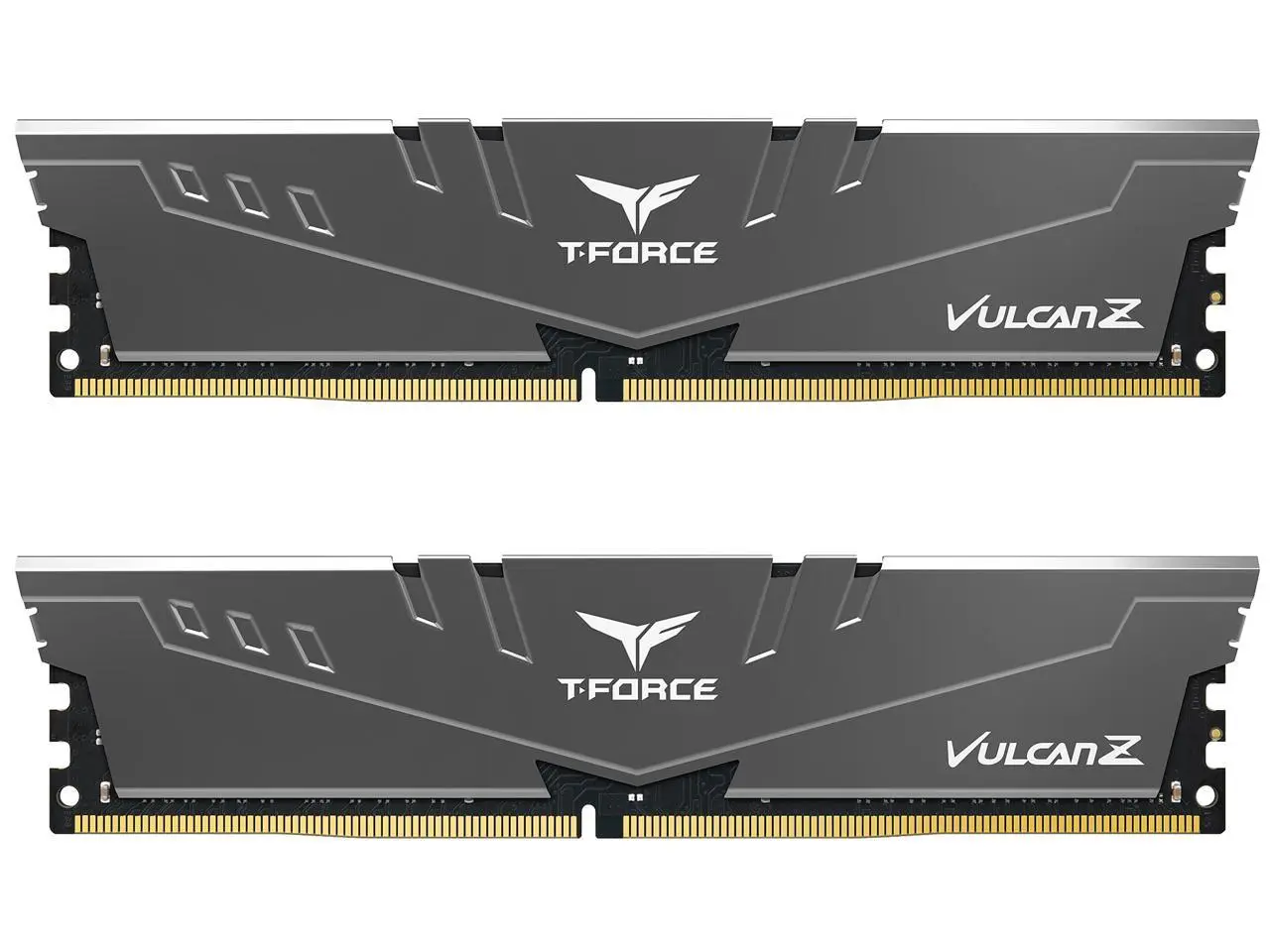
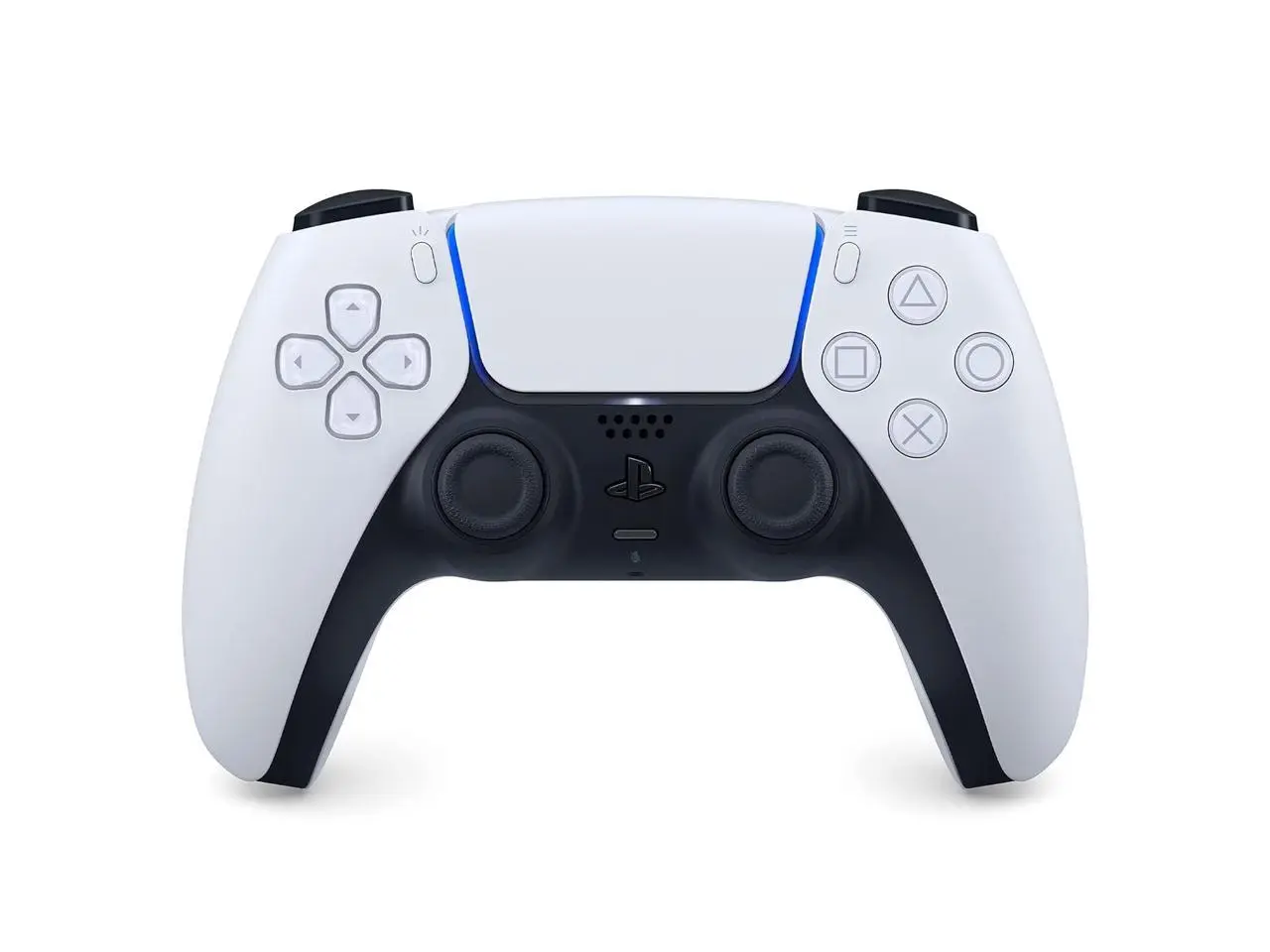


Related Searches
Related Categories
Introduction
When exploring the world of computers, understanding input, output, and storage devices is crucial. Input devices, such as keyboards and mice, enable users to interact with their computers efficiently. Keyboards allow for text input, while mice provide a point-and-click interface, making navigation seamless. Both are fundamental to the user experience, ensuring that commands and data are entered accurately.
Output devices, on the other hand, are responsible for presenting information to the user. This includes monitors, printers, and speakers, which display visuals, produce hard copies, and deliver sound, respectively. Together with input devices, they create a complete interaction loop.
Storage devices are vital for saving data, whether it’s documents, images, or software. Options range from hard drives and solid-state drives to USB flash drives and cloud storage solutions. Each type offers different capacities, speeds, and reliability, catering to various user needs.
Understanding these devices not only enhances your computing experience but also aids in making informed purchasing decisions. Here are some key points to consider:
By familiarizing yourself with these components, you can maximize your computer's potential and ensure a smooth workflow.
Output devices, on the other hand, are responsible for presenting information to the user. This includes monitors, printers, and speakers, which display visuals, produce hard copies, and deliver sound, respectively. Together with input devices, they create a complete interaction loop.
Storage devices are vital for saving data, whether it’s documents, images, or software. Options range from hard drives and solid-state drives to USB flash drives and cloud storage solutions. Each type offers different capacities, speeds, and reliability, catering to various user needs.
Understanding these devices not only enhances your computing experience but also aids in making informed purchasing decisions. Here are some key points to consider:
- Compatibility: Ensure your input devices work with your computer’s operating system.
- Ergonomics: Choose input devices that are comfortable to use, especially for extended periods.
- Storage Capacity: Assess how much data you need to store and select devices accordingly.
By familiarizing yourself with these components, you can maximize your computer's potential and ensure a smooth workflow.