Search
Coupon Center
Get app
Log in
TikTok Shop
Shop All Categories
complex salt
Results for "complex salt"
Featured brands
Authenticated products
Verified shops
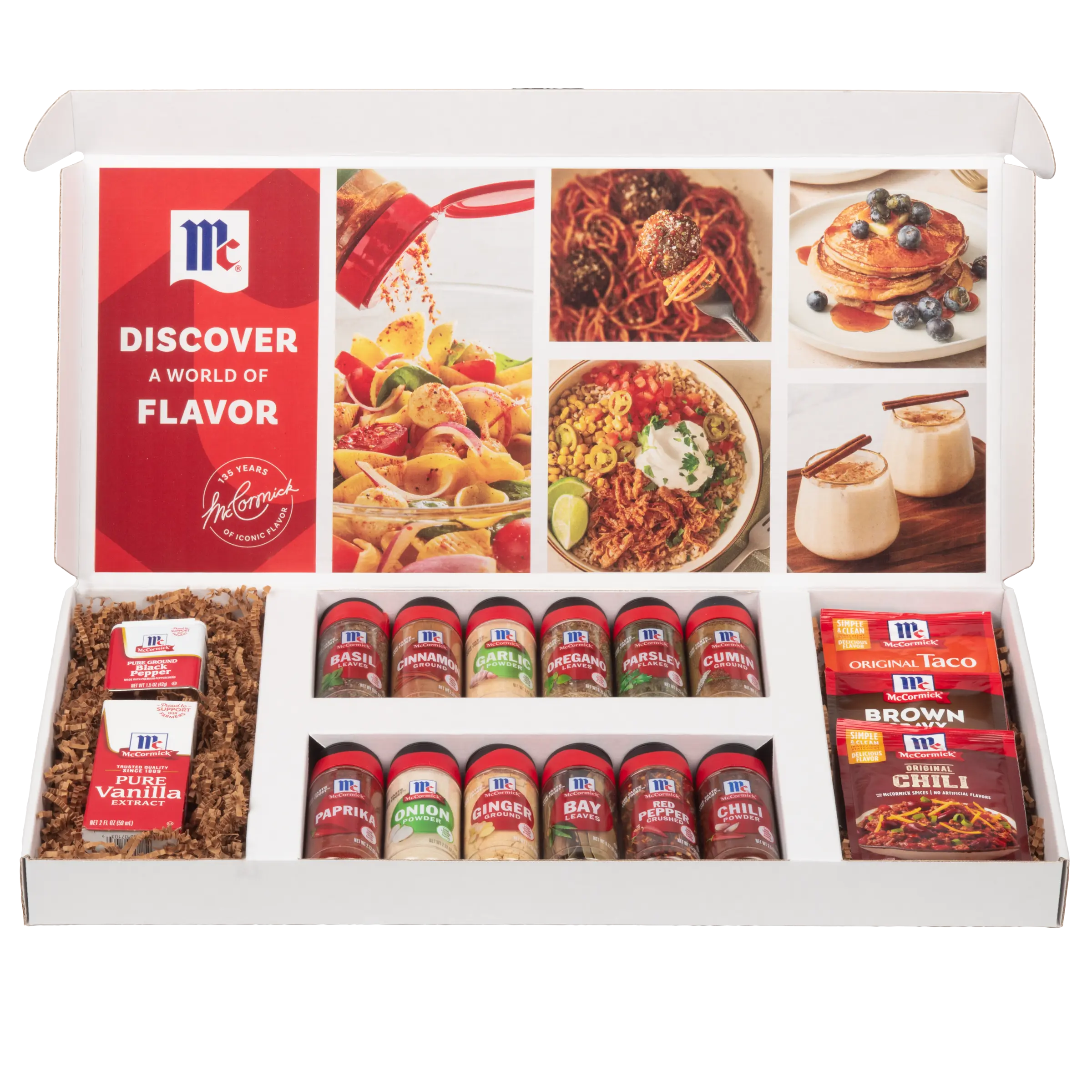
McCormick Spices
4.9
3551
Sold
122.9K+
Follower
$
65
.00
$
38
.99
$
25
.00
$
50
.00
$
66
.50
Filters
Sort by
Deals
4 Stars & Up
Under $15
Over $30
Staples & Cooking Essentials
Bath & Body Care
Nutrition & Wellness
Free shipping
McCormick Spices
McCormick Finishing Salts Savory Cravings Collection (Ranch, Honey Chipotle, Applewood Smoked Salt & Bacon, Zesty Lemon, Brown Butter, Smoky Garlic & Rosemary) 6 Count Variety Pack
5.0
74 sold
Flash sale
$
38
.99
Yami. Best of Asia
MORTON Iodized Salt for Cooking & Baking - Fine Grain Table Salt, 26 oz
$
5
.37
Yami. Best of Asia
Sound of Salt 100% Korean Natural Pure Sea Salt 200g - Premium Fine Grain Seasoning Salt for Cooking & Baking
$
7
.05
Free shipping
iHerb
Celtic Sea Salt Light Grey Celtic®, Vital Mineral Blend, 1/2 lb (227 g)
4.8
345 sold
$
12
.53
Free shipping
SaltStick Fastchews, Electrolyte Replacement Tablets for Rehydration, Exercise Recovery, Youth & Adult Athletes, Hiking, Sports Recovery, 10ct Variety 4-Pack With Race Ready Tubes
4.6
53 sold
$
17
.50
Free shipping
SPINTO FITNESS Original 2-Ingredient Smelling Salts Powder - Fitness Endurance Supplement, Training Supplement, Pre-Workout Booster for Athletes, Supports Feel Good Energy, Focus, Strength & Edible Dietary Needs
4.6
3.6K sold
Limited time deal
$
22
.80
Free shipping
Le Marinier Celtic Salt Extra Fine 8.81oz Mineral-Rich Unrefined Sea Salt 100% Natural Hand Harvested Mineral Light Grey Electrolyte Low Sodium
4.8
38.7K sold
$
14
.99
Free shipping
iHerb
Celtic Sea Salt Fine Ground, Vital Mineral Blend, 1/2 lb (227 g)
4.5
49 sold
$
15
.00
Free shipping
Magnesium Bath Flakes - Magnesium Chloride Flakes - Dead Sea Salts for Soaking, Unscented 10 LBS
4.8
2.5K sold
Limited time deal
-12%
$
21
.97
$24.99
Free shipping
Black Salt Ritual Blend | Protection • Cleansing • Warding 3 oz Herbal Altar Work Botanical Salt
5.0
29 sold
$
14
.99
Baja Gold Signature Mineral Sea Salt - Natural Grain Crystals - The Only Authentic Baja Gold | Unrefined Baja Salt for Cooking and Seasoning | Low Sodium, Unrefined, Trace Mineral Rich, Kosher, Vegan | Ultra Flavorful
4.9
2.9K sold
$
20
.29
Free shipping
iHerb
Frontier Co-op Coarse Sea Salt, 16 oz (453 g)
1 sold
$
15
.80
Yami. Best of Asia
ASSI BRAND Korean Coarse Sea Salt 907g - Natural Gourmet Sea Salt for Cooking and Baking
$
5
.19
100% Organic HIMALAYAN PINK ROCK SALT, COARSE GRAIN JAR 5 lb
4.2
110 sold
$
17
.99
Ancient Blue Salt – Rare Mineral Treasure | High Potassium, Low Sodium, Pure & Unprocessed | Gourmet-Grade by Richure 100g (3.52 oz)
1 sold
-38%
$
16
.56
$26.71
Free shipping
iHerb
The Spice Lab Himalayan Pink Salt, Coarse Grain, 1 lb (453 g)
4.9
181 sold
$
10
.13
Free shipping
Black Salt 2 oz 56 g Premium Natural Sea Salt for Spiritual Protection Energy Clearing Ritual Support Resealable Bag
4.4
322 sold
-15%
$
10
.19
$11.99
Free shipping
iHerb
Frontier Co-op Fine Grind Grey Sea Salt, 16 oz (453 g)
1 sold
$
17
.43
Free shipping
Celtic Salt Grey Coarse Grain Unrefined Mineral Sea Salt Hand Harvested in France XL 13oz. Bottle by SPQR Seasonings
4 sold
$
12
.75
Sante Naturelle Celtic Salt Grey Coarse - 1.1lb (18oz) Unrefined French Sea Salt Organic, Rich in 82+ Minerals Salt, Hand Harvested Sal Celtica
10 sold
Limited time deal
-50%
$
11
.99
$23.98
Ancient Blue Crystal Rock Salt Coarse Grain 3-6 mm Dye-Free Natural Food-Grade Rare Mineral Salt Over 200 Million Years in the Making
$
24
.98
Free shipping
Alebrixes - Black Salt 4 Oz (114 g) | Black Salt For Protection Rituals - Sal Negra para Rituales de Proteccion | Witches & Wiccan Witchcraft Supplies |...
4.6
779 sold
$
9
.99
Sardinian Mediterranean Sea Salt
$
8
.99
Soeos Himalayan Salt - Coarse Grain, 20 oz (1.25 lb) for Seasoning and Flavor
$
6
.99
Ancient Blue Salt – Rare Mineral Treasure | High Potassium, Low Sodium, Pure & Unprocessed | Gourmet-Grade by Richure 100g (3.52 oz)
$
16
.96
Ancient Blue Salt – Rare Mineral Treasure | High Potassium, Low Sodium, Pure & Unprocessed | Gourmet-Grade by Richure 100g (3.52 oz)
5.0
2 sold
-37%
$
16
.87
$26.78
Ancient Blue Salt – Rare Mineral Treasure | High Potassium, Low Sodium, Pure & Unprocessed | Gourmet-Grade by Richure 100g (3.52 oz)
$
16
.93
Ancient Blue Salt – Rare Mineral Treasure | High Potassium, Low Sodium, Pure & Unprocessed | Gourmet-Grade by Richure 100g (3.52 oz)
1 sold
-37%
$
16
.86
$26.76
Free shipping
Fire Salts Best Selling Flavor Bundles (3-Pack)
4.9
2.5K sold
$
134
.97
Free shipping
iHerb
Redmond Real Salt®, Ancient Coarse Sea Salt, Grinder Refill Salt, 16 oz (454 g)
5.0
29 sold
$
17
.97
Related Searches
liquid salt
mexican salt
spiced salt
cristal salt
salt crystals
living salt
strong smelling salts
Multipack salt
salt crystales
Related Categories
Herbs, Spices & Seasonings
Salt
Bars
Vitamins, Minerals & Wellness Supplements
Fitness Supplements
Bath & Shower
Sports & Energy Drinks