Results for "common artificial sweeteners"
Common artificial sweeteners are sugar substitutes that provide sweetness without the calories associated with sugar. They are often used in food and beverages to help reduce sugar intake.


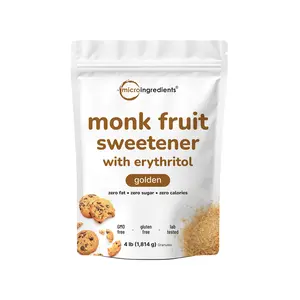
Micro Ingredients

4.7
20.4K sold
-17%$33.98$41.03


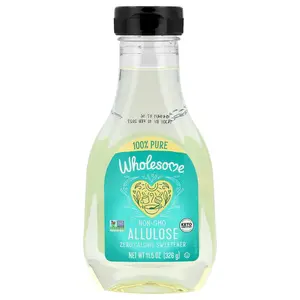




Micro Ingredients
4.3
12 sold
$87.30


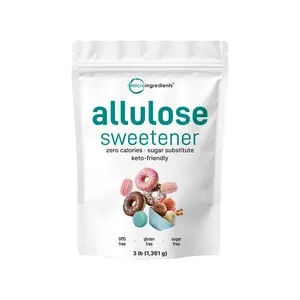
Micro Ingredients
4.6
4.9K sold
-23%$31.64$41.03

Micro Ingredients

4.7
235 sold
-14%$34.50$40.26


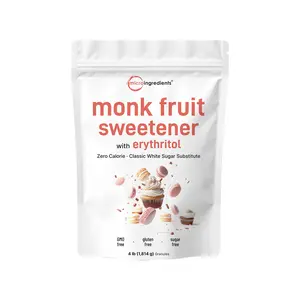
Micro Ingredients
4.7
2.2K sold
$33.98



4.7
32 sold
-37%$10.93$17.27
-22%$28.78$36.85


Micro Ingredients
4.7
6.2K sold
-13%$31.04$35.65





-36%$26.48$41.45

Related Searches
Related Categories
Introduction
Artificial sweeteners are becoming increasingly popular as more people seek to reduce their sugar consumption without sacrificing sweetness. Common artificial sweeteners include aspartame, sucralose, and saccharin, each offering a unique flavor profile and level of sweetness. These sweeteners are often found in diet sodas, sugar-free snacks, and various low-calorie products.
Many consumers turn to artificial sweeteners for several reasons:
However, it is essential to use artificial sweeteners in moderation and be aware of any potential side effects. While many people enjoy their benefits, some may experience sensitivity to specific sweeteners.
When choosing products containing artificial sweeteners, consider the following:
In summary, common artificial sweeteners are a valuable tool for those looking to enjoy sweetness without the calories of sugar. By understanding their benefits and potential drawbacks, consumers can make informed choices that align with their health goals.
Many consumers turn to artificial sweeteners for several reasons:
- Weight management: They provide sweetness with fewer calories, making them a popular choice for those looking to .
- Blood sugar control: Artificial sweeteners do not raise blood sugar levels, making them suitable for individuals with diabetes.
- Dental health: Unlike sugar, these sweeteners do not contribute to tooth decay.
However, it is essential to use artificial sweeteners in moderation and be aware of any potential side effects. While many people enjoy their benefits, some may experience sensitivity to specific sweeteners.
When choosing products containing artificial sweeteners, consider the following:
- Read labels carefully to understand the types of sweeteners used.
- Consider your taste preferences, as some sweeteners can have an aftertaste.
- Be mindful of any dietary restrictions or health concerns that may affect your choice of sweeteners.
In summary, common artificial sweeteners are a valuable tool for those looking to enjoy sweetness without the calories of sugar. By understanding their benefits and potential drawbacks, consumers can make informed choices that align with their health goals.