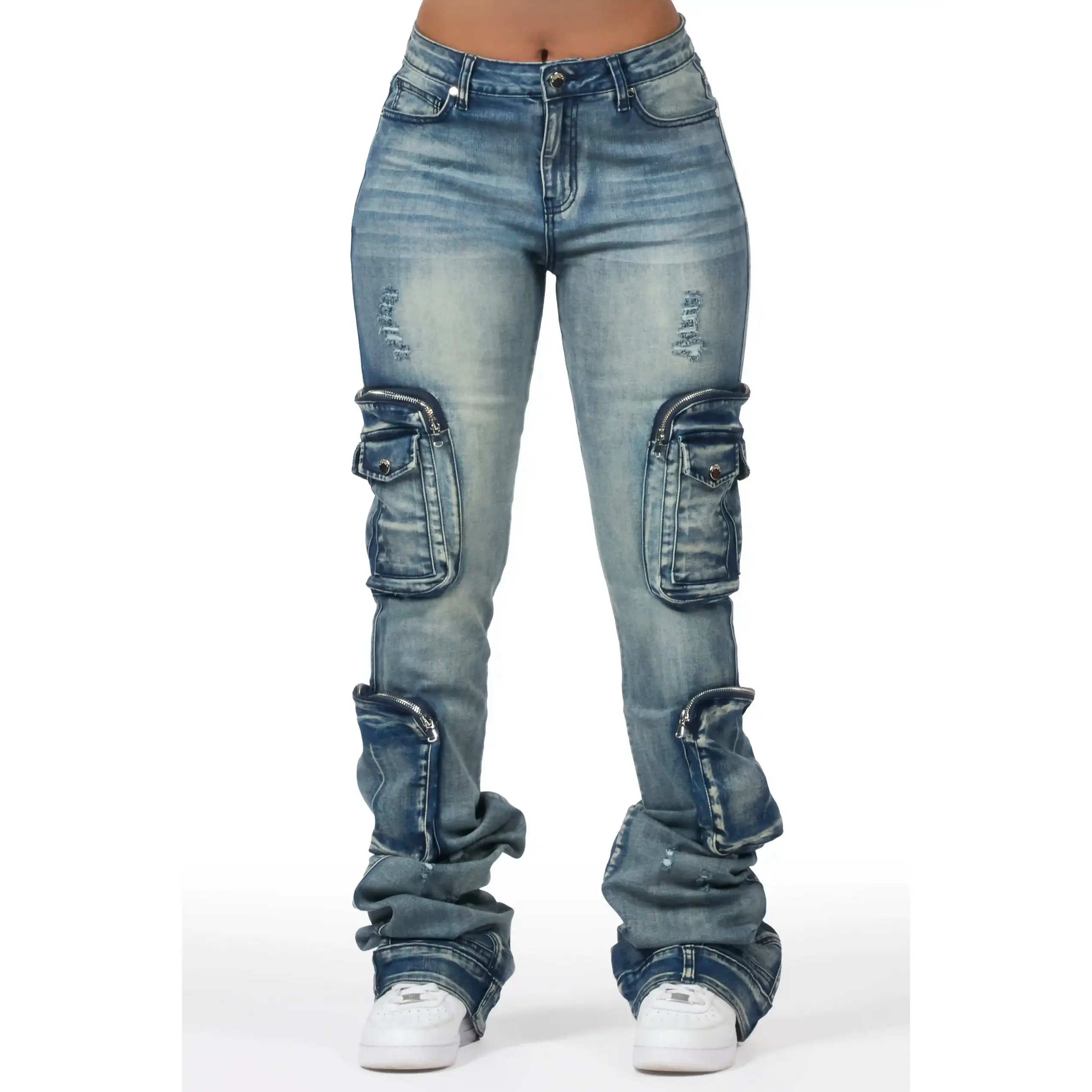
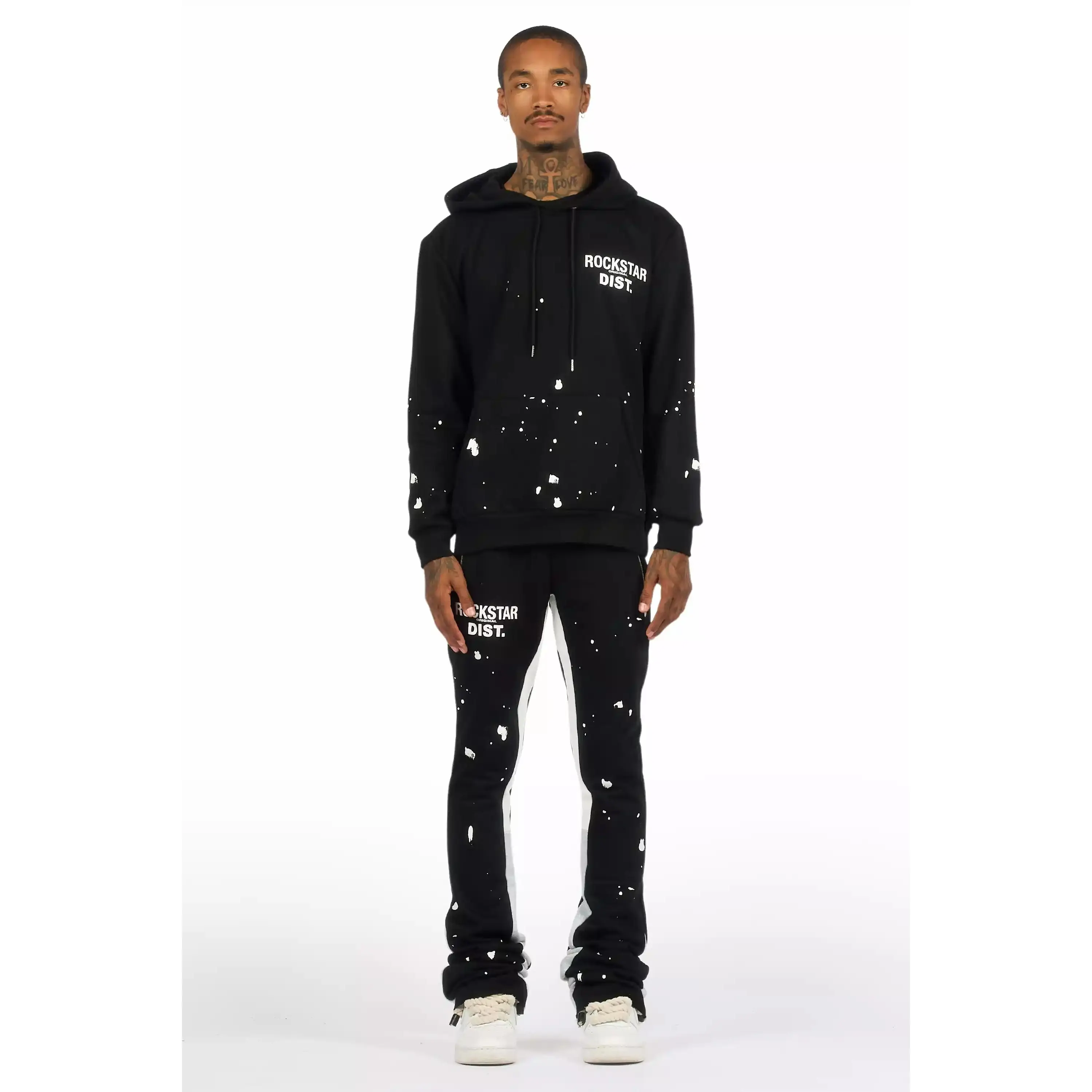
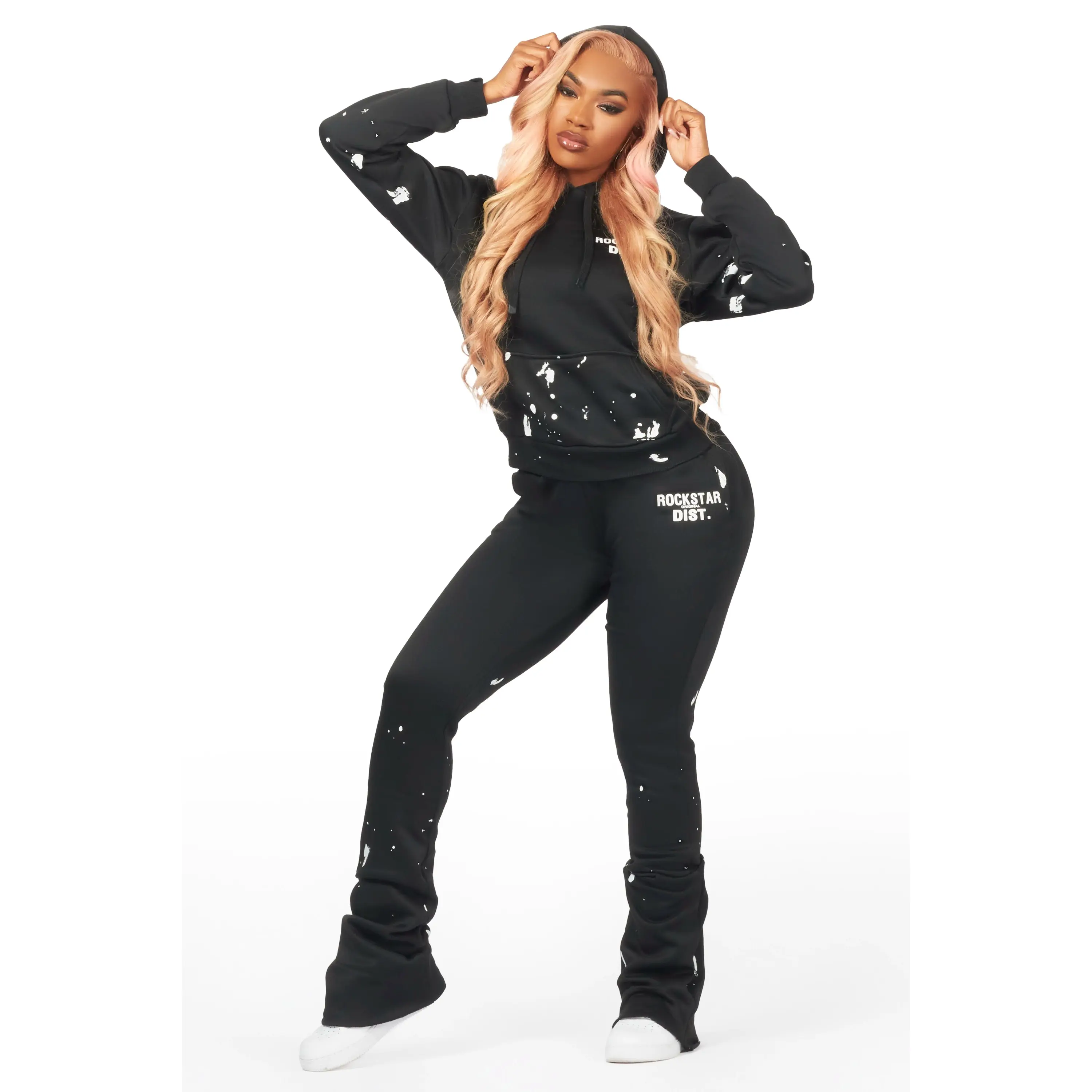
color coordinate clothes
Color coordinating clothes involves selecting outfits where the colors complement each other, creating a harmonious and stylish appearance.
Featured brands
Authenticated productsVerified shops




![[Playful Pink Panther Tee] Print Casual Short Sleeve Sports T-Shirt - Olive Green Round Neck, Lightweight Breathable Fabric, Stylish Cartoon Design Summer Wear](https://p16-oec-general-useast5.ttcdn-us.com/tos-useast5-i-omjb5zjo8w-tx/54248f2ef2414beda76a9c13a41b32ee~tplv-fhlh96nyum-resize-webp:600:600.webp?dr=12190&t=555f072d&ps=933b5bde&shp=8dbd94bf&shcp=a6e80448&idc=useast5&from=2378011839 "[Playful Pink Panther Tee] Print Casual Short Sleeve Sports T-Shirt - Olive Green Round Neck, Lightweight Breathable Fabric, Stylish Cartoon Design Summer Wear")


Related Searches
Related Categories
Introduction
Color coordinating clothes is an essential skill for anyone looking to enhance their wardrobe. By understanding how to mix and match colors effectively, you can create stunning outfits that not only reflect your personal style but also boost your confidence. Whether you're dressing for work, a casual outing, or a special occasion, knowing how to color coordinate can make all the difference. Here are some tips for achieving the perfect color coordination:
- Start with a base color: Choose a neutral base like black, white, or beige.
- Add accent colors: Incorporate one or two accent colors that complement your base.
- Use the color wheel: Familiarize yourself with complementary and analogous colors to create visually appealing combinations.
- Consider the season: Opt for lighter colors in spring and summer, while richer hues work well in fall and winter.
- Mix patterns wisely: If you're wearing patterns, ensure the colors align with your chosen palette.