clumping vs non clumping litter
Clumping litter forms solid clumps when wet, making it easier to scoop waste, while non-clumping litter absorbs moisture without forming clumps, requiring more frequent changes.
Featured brands
Authenticated productsVerified shops


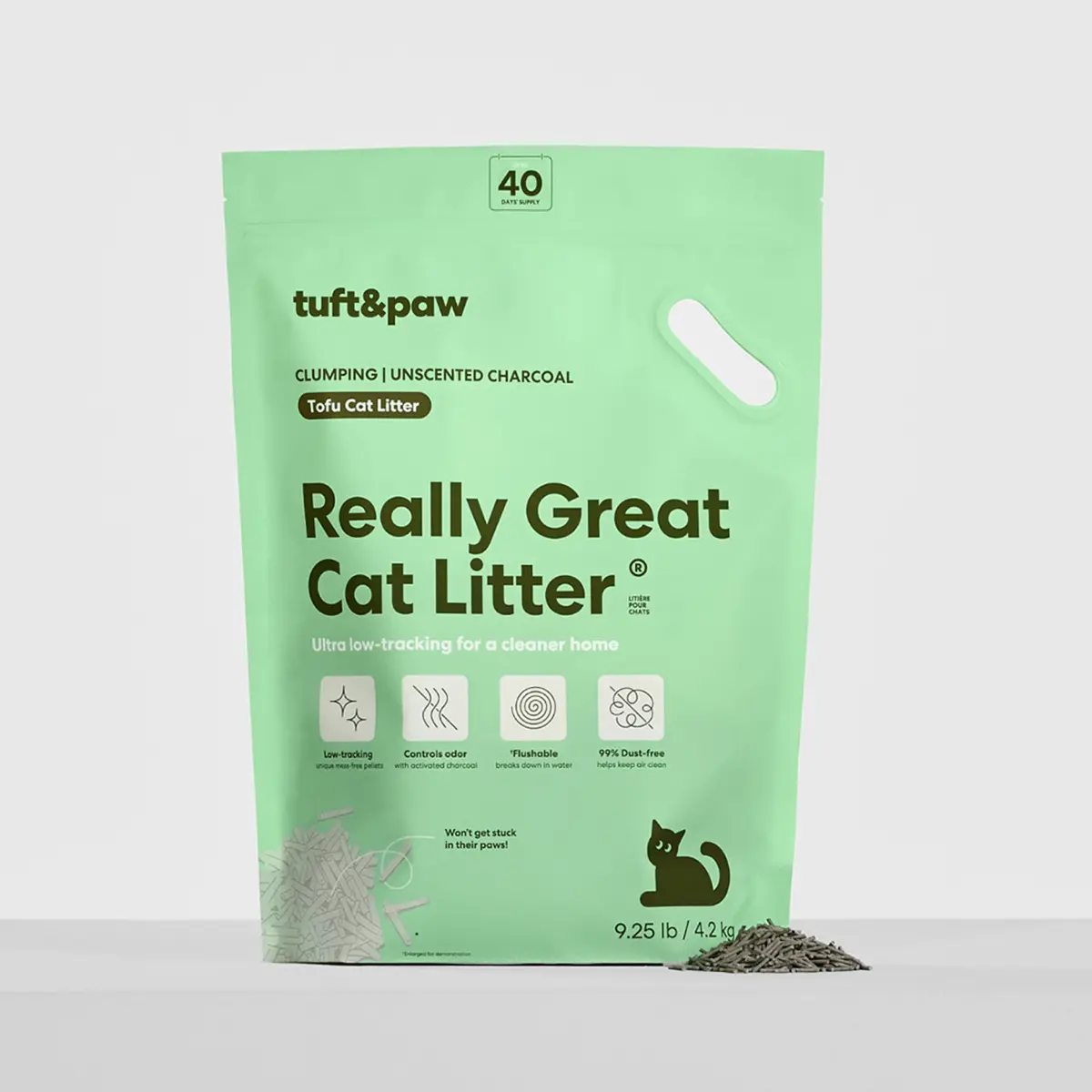

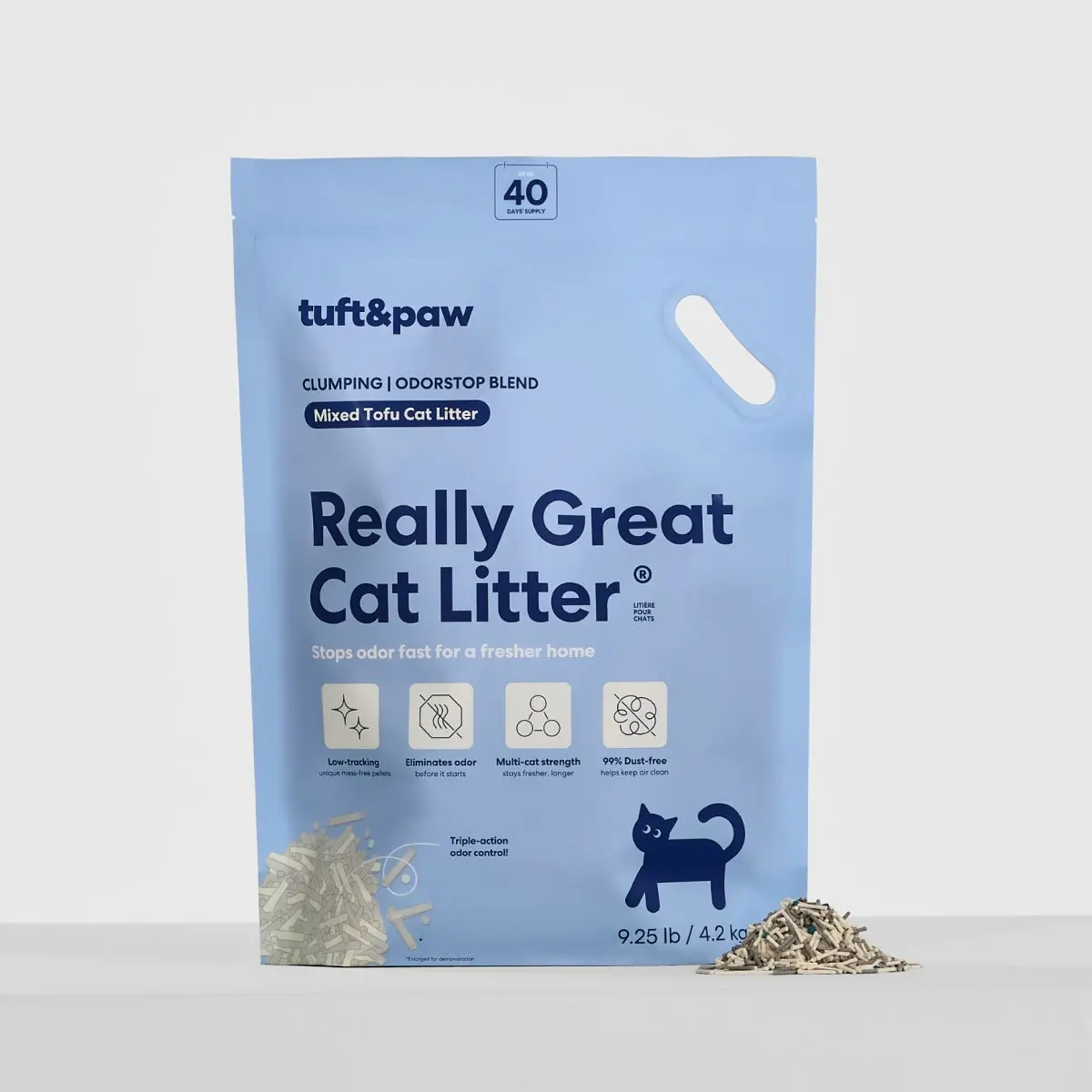



![Gardner Pet Natural Tofu Cat Litter with Green Tea Extract – [2026 Upgraded] 6LBS Fast Absorbing & Strong Clumping, Low Dust, Odor Control Cat Litter for Easy Scooping, Multi-Cat Homes, 6 lbs](https://p16-oec-general.ttcdn-us.com/tos-maliva-i-o3syd03w52-us/9954a9912a774ed29a2b1e54088fa706~tplv-fhlh96nyum-resize-webp:600:600.webp?dr=12190&t=555f072d&ps=933b5bde&shp=8dbd94bf&shcp=a6e80448&idc=useast5&from=2378011839 "Gardner Pet Natural Tofu Cat Litter with Green Tea Extract – [2026 Upgraded] 6LBS Fast Absorbing & Strong Clumping, Low Dust, Odor Control Cat Litter for Easy Scooping, Multi-Cat Homes, 6 lbs")


Tuft & Paw

4.6
7.3K sold
$29.00


Pretty Litter

4.7
100 sold
$29.99

Tuft & Paw
4.7
790 sold
$29.00


Related Searches
Related Categories
Introduction
When it comes to choosing the right cat litter, understanding the differences between clumping and non-clumping litter is essential. Clumping litter is designed to form solid clumps upon contact with moisture, which makes cleaning your litter tray a breeze. Pet owners find this type of litter particularly convenient as it allows for easy removal of waste and reduces odors effectively. On the other hand, non-clumping litter absorbs moisture but does not form clumps, meaning it needs to be replaced more frequently. While it may be less convenient to clean, many pet owners appreciate its absorbent properties and often choose it for its natural materials.
Here are some key points to consider when deciding between clumping and non-clumping litter:
Here are some key points to consider when deciding between clumping and non-clumping litter:
- Ease of Cleaning: Clumping litter is generally easier to clean as it allows for quick removal of waste.
- Odor Control: Clumping litter often controls odors better due to its ability to encapsulate waste.
- Cost: Non-clumping litter can be less expensive upfront but may require more frequent changes, potentially increasing long-term costs.
- Material: Clumping litter is usually made from bentonite clay, while non-clumping options can include natural materials like wood or corn.
- Dust Levels: Some clumping litters may produce more dust, which could be a concern for cats with respiratory issues.