cat6 speed vs cat5e
Cat6 and Cat5e are types of Ethernet cables used for network connections. Cat6 cables offer higher speeds and bandwidth compared to Cat5e, making them ideal for modern networking needs.
Featured brands
Authenticated productsVerified shops






GEARit Official

5.0
13 sold
-27%$7.98$10.99

![[Official] NOYAFA NF-8506 Cat5 / Cat5e / Cat6 / Cat6a Ethernet Cable Tracer & Tester with PoE / PING / Switch Testing, IP Scan, Port Flash, Cable Length Testing](https://p16-oec-general-useast5.ttcdn-us.com/tos-useast5-i-omjb5zjo8w-tx/477dd5f1b7ed4d2a9ab04783f35b92ab~tplv-fhlh96nyum-resize-webp:600:600.webp?dr=12190&t=555f072d&ps=933b5bde&shp=8dbd94bf&shcp=a6e80448&idc=useast5&from=2378011839 "[Official] NOYAFA NF-8506 Cat5 / Cat5e / Cat6 / Cat6a Ethernet Cable Tracer & Tester with PoE / PING / Switch Testing, IP Scan, Port Flash, Cable Length Testing")


Related Searches
Related Categories
Introduction
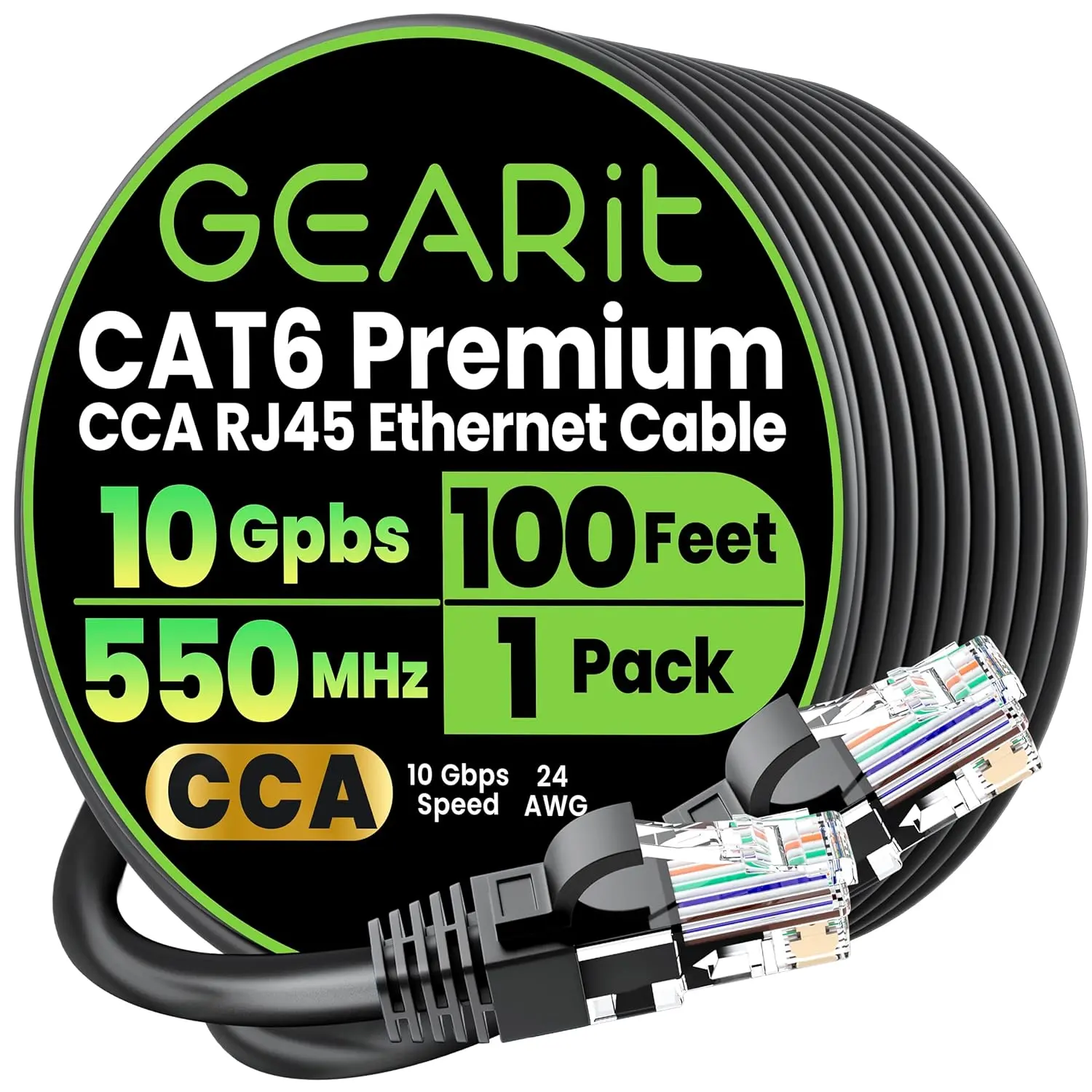
When it comes to networking, understanding the differences between Cat6 speed and Cat5e is crucial for optimal performance. Cat6 cables are designed to support data transfer speeds of up to 10 Gbps over short distances, while Cat5e cables can handle speeds of up to 1 Gbps. This significant difference in speed makes Cat6 a preferred choice for high-bandwidth applications like streaming, gaming, and large file transfers.
Here are some key points to consider when comparing Cat6 and Cat5e:
Here are some key points to consider when comparing Cat6 and Cat5e:
- Speed: Cat6 cables can support up to 10 Gbps for distances up to 55 meters, whereas Cat5e is limited to 1 Gbps.
- Bandwidth: Cat6 has a bandwidth of 250 MHz, compared to Cat5e's 100 MHz, allowing for better performance in data-heavy environments.
- Interference: Cat6 cables are better shielded, reducing crosstalk and interference, which is essential for maintaining high-speed connections.
- Future-proofing: Investing in Cat6 cables can be more beneficial in the long run, as they are more suited to handle future networking demands.
- Cost: While Cat6 cables are generally more expensive than Cat5e, the improved performance and speed may justify the investment.