Results for "brake lights vs tail lights"
Brake lights and tail lights are essential components of vehicle lighting systems. Brake lights illuminate when the driver applies the brakes, signaling other drivers to slow down, while tail lights are always on when the vehicle is running, indicating its presence to others on the road.


4.5
4.9K sold
-30%$24.68$35.26


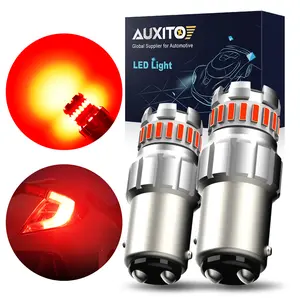
4.5
172 sold
-57%$18.83$44.00


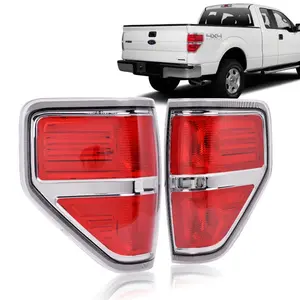
5.0
65 sold
-27%$52.60$72.05


4.5
3.7K sold
-30%$27.69$39.60


4.6
456 sold
-27%$20.79$28.50
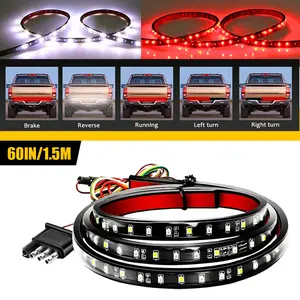
3.8
175 sold
-44%$15.50$27.69


4.6
2.5K sold
-28%$99.72$138.49


4.9
119 sold
-52%$26.54$55.39


3.7
21 sold
-59%$57.24$140.00

Related Searches
Related Categories
Introduction
Understanding the differences between brake lights and tail lights is crucial for any vehicle owner. Brake lights are designed to activate when the brake pedal is pressed, providing a clear signal to drivers behind you that you are slowing down or stopping. This safety feature is vital for preventing rear-end collisions. On the other hand, tail lights serve a different purpose; they are always illuminated when the vehicle is in operation, ensuring that your vehicle is visible to others, especially in low-light conditions.
Here are some key points to consider regarding brake lights and tail lights:
Stay informed about your vehicle's lighting systems to keep yourself and others safe on the road.
Here are some key points to consider regarding brake lights and tail lights:
- Functionality: Brake lights alert others when you are stopping, while tail lights show your vehicle's presence.
- Color: Brake lights are typically red, while tail lights can be red or amber, depending on the vehicle.
- Maintenance: Regularly check both systems to ensure they are functioning properly, as burnt-out bulbs can lead to dangerous situations.
Stay informed about your vehicle's lighting systems to keep yourself and others safe on the road.