Results for "bottle nipple"
A bottle nipple is a crucial component of baby bottles, designed to allow infants to a mother's nipple, providing a familiar experience for babies during feeding time.


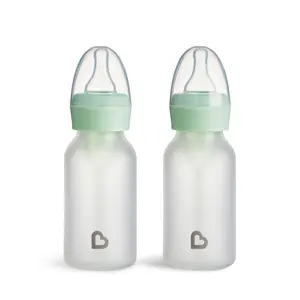
Munchkin

4.6
6.0K sold
-10%$26.99$29.99


Related Searches
Related Categories
Introduction
When it comes to feeding your little one, selecting the right bottle nipple is essential for both comfort and ease. Bottle come in various shapes, sizes, and materials, catering to different feeding preferences and stages of development. For instance, some bottle are designed to mimic the natural feel of a mother's breast, allowing for a smoother transition between breastfeeding and bottle feeding.
Choosing the right nipple flow is also crucial. There are slow, medium, and fast flow options available, which can help accommodate your baby's sucking skills as they grow. Many parents opt for silicone due to their durability and ease of cleaning, while others prefer latex for its softness.
Additionally, it's important to consider the shape of the nipple. Some are designed to reduce colic by allowing air to escape, promoting a more comfortable feeding experience.
With the right bottle nipple, feeding can become a delightful bonding experience between you and your baby. Remember to regularly check for and tear and replace the as needed to ensure safety and hygiene. Explore a variety of options to find the perfect fit for your infant's feeding journey!
Choosing the right nipple flow is also crucial. There are slow, medium, and fast flow options available, which can help accommodate your baby's sucking skills as they grow. Many parents opt for silicone due to their durability and ease of cleaning, while others prefer latex for its softness.
Additionally, it's important to consider the shape of the nipple. Some are designed to reduce colic by allowing air to escape, promoting a more comfortable feeding experience.
With the right bottle nipple, feeding can become a delightful bonding experience between you and your baby. Remember to regularly check for and tear and replace the as needed to ensure safety and hygiene. Explore a variety of options to find the perfect fit for your infant's feeding journey!