borosilicate vs pyrex
Borosilicate and Pyrex are both types of glass known for their durability and heat resistance. Borosilicate glass is made with silica and boron trioxide, making it less prone to thermal shock, while Pyrex is a brand that originally used borosilicate glass but now also includes tempered soda-lime glass.
Featured brands
Authenticated productsVerified shops






Caraway Home

4.7
550 sold
$265.00


Related Searches
Related Categories
Introduction
When it comes to choosing between borosilicate and Pyrex plates, understanding the differences can significantly impact your cooking and baking experience. Both materials offer unique advantages that cater to various kitchen needs.
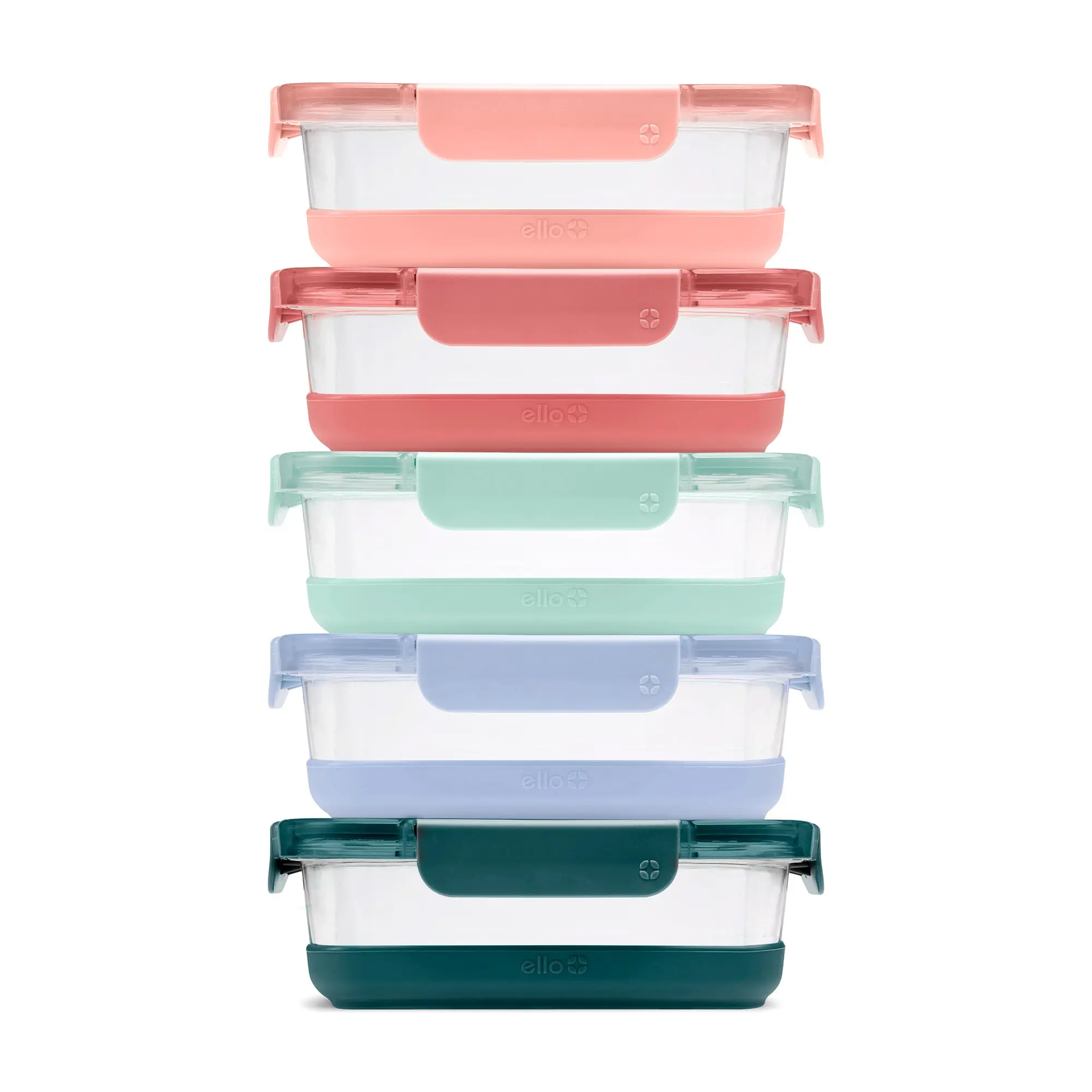
**Borosilicate Glass**: This type of glass is made with silica and boron trioxide, which gives it exceptional resistance to thermal shock. It can withstand rapid temperature changes, making it ideal for oven-to-table serving. Borosilicate plates are also resistant to chemicals, ensuring they won’t react with food or absorb odors.
**Pyrex**: Originally known for its borosilicate glass products, the Pyrex brand has expanded to include tempered soda-lime glass. While Pyrex plates are still durable and versatile, they may not handle extreme temperature changes as well as borosilicate glass. However, Pyrex is widely recognized for its quality and is trusted by thousands of home cooks.
**Key Considerations**:
Ultimately, the choice between borosilicate and Pyrex plates depends on your cooking style and preferences. Both materials have proven quality and are customer-approved, making them excellent choices for any kitchen.
**Borosilicate Glass**: This type of glass is made with silica and boron trioxide, which gives it exceptional resistance to thermal shock. It can withstand rapid temperature changes, making it ideal for oven-to-table serving. Borosilicate plates are also resistant to chemicals, ensuring they won’t react with food or absorb odors.
**Pyrex**: Originally known for its borosilicate glass products, the Pyrex brand has expanded to include tempered soda-lime glass. While Pyrex plates are still durable and versatile, they may not handle extreme temperature changes as well as borosilicate glass. However, Pyrex is widely recognized for its quality and is trusted by thousands of home cooks.
**Key Considerations**:
- **Durability**: Borosilicate glass is generally more durable against thermal shock.
- **Versatility**: Pyrex offers a variety of products, including bakeware and storage solutions.
- **Usage**: Both types can be used in the oven, microwave, and dishwasher, but always check the manufacturer's guidelines.
Ultimately, the choice between borosilicate and Pyrex plates depends on your cooking style and preferences. Both materials have proven quality and are customer-approved, making them excellent choices for any kitchen.