Board Games
Boxed board games for family nights, strategy groups, and first-time tabletop shoppers comparing player counts.
Featured brands
Authenticated productsVerified shops


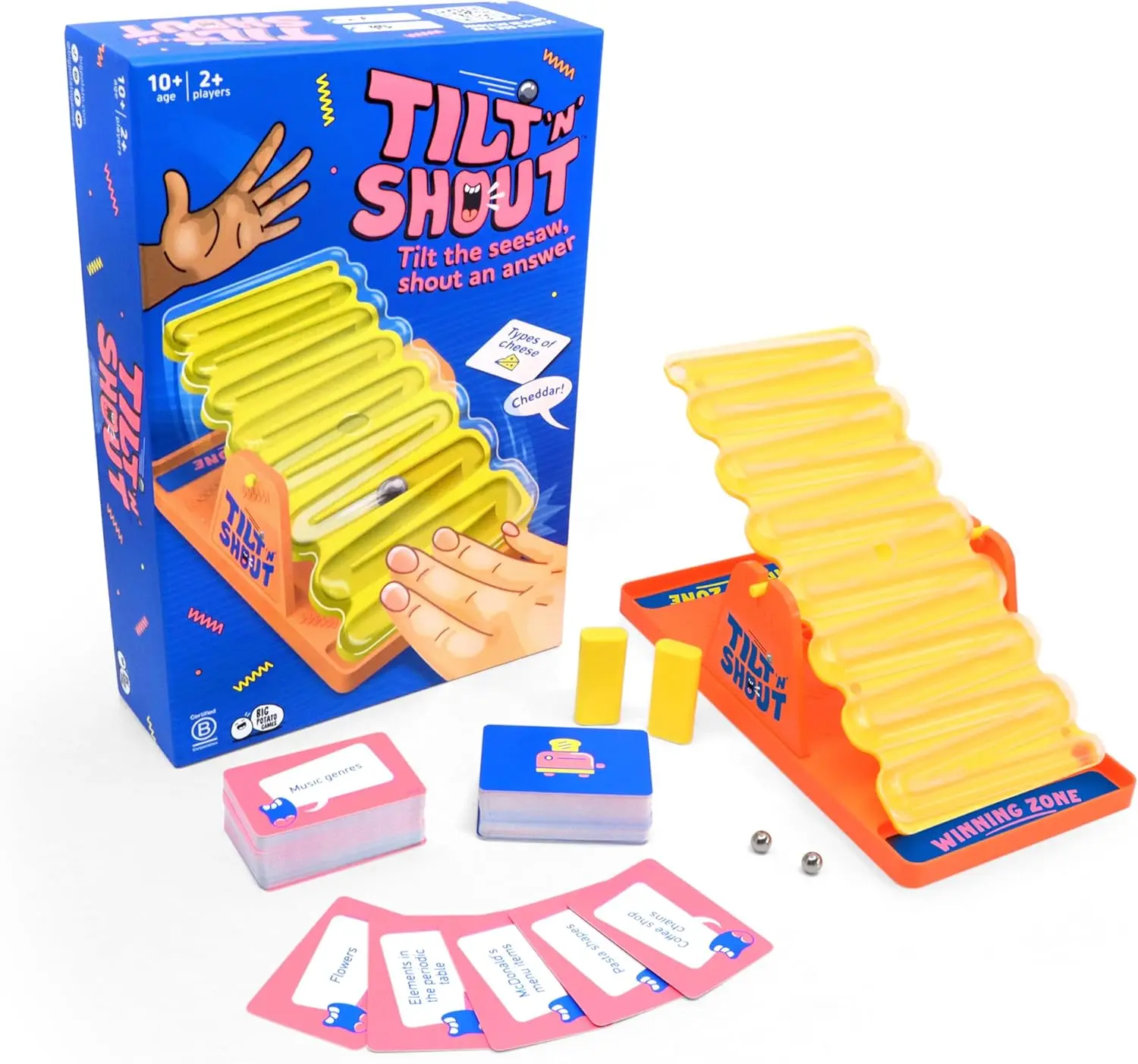




Big Potato Games

4.2
23.3K sold
$24.99


Exploding Kittens, Inc.
1 sold
$19.99


4.7
2.7K sold
-25%$38.99$51.99


Exploding Kittens, Inc.
4.8
23.7K sold
$28.59


Big Potato Games
4.6
11.0K sold
$25.00


Related Searches
Introduction
Shoppers hunting board games can compare player counts, session length, and cooperative versus competitive rules before they commit to a boxed set.
- Read the listed player count and estimated minutes so the session matches your table.
- Check component language, expansion compatibility, and whether dice, cards, or miniatures ship in the box.
- Confirm the printed age band and complexity notes when kids and adults share a night.
Use those listing fields to shortlist a set your group will actually finish in one sitting.