blow up a pool float
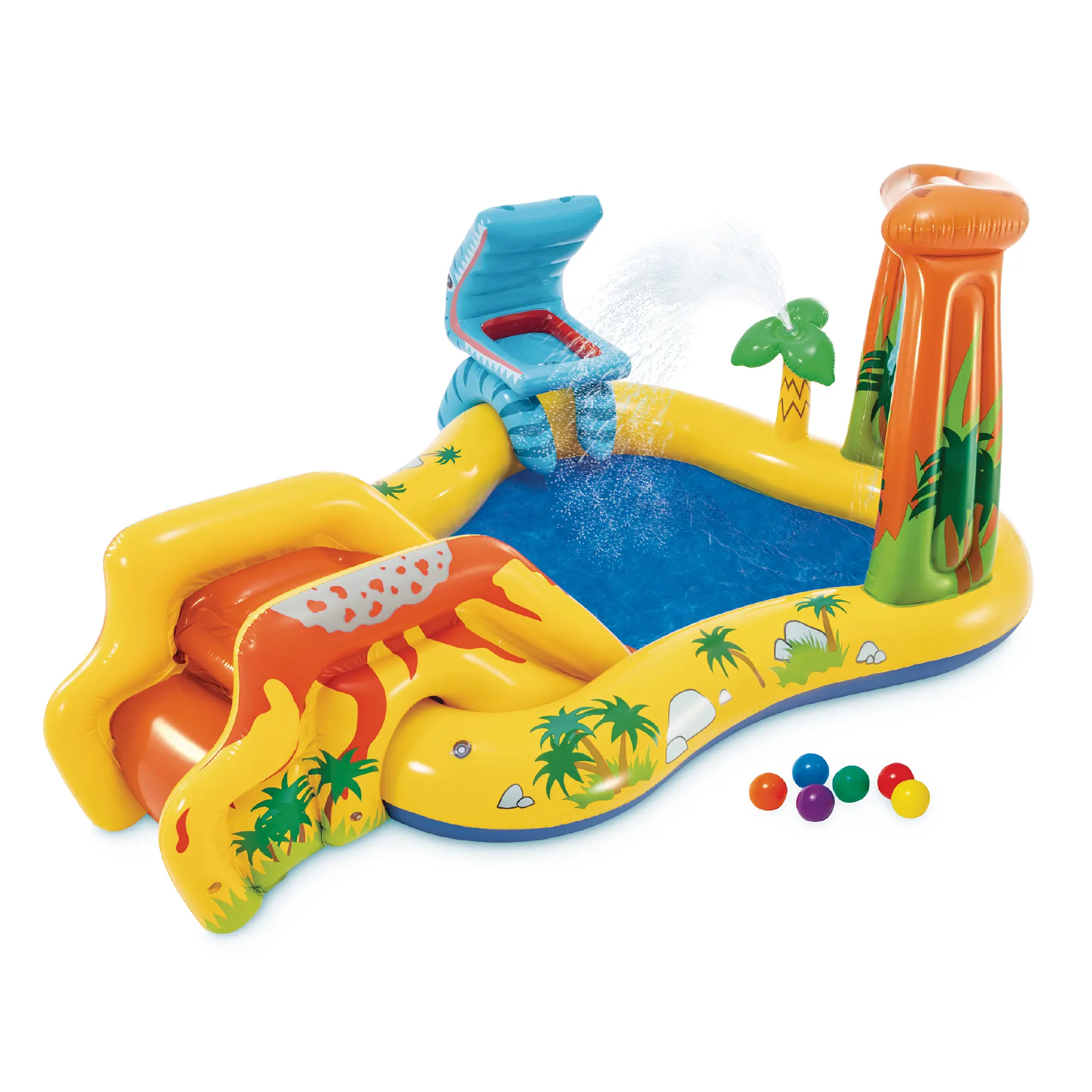
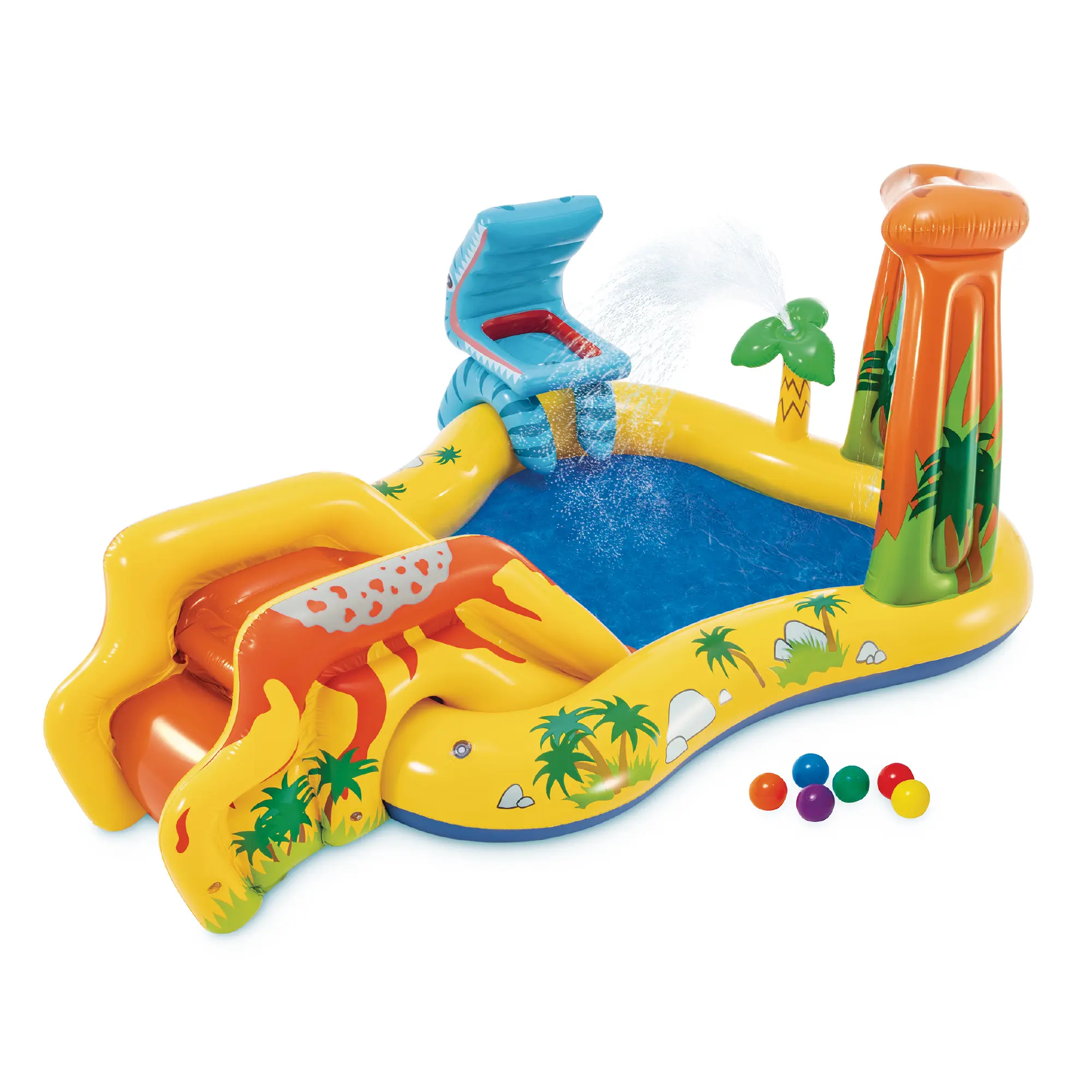
Blowing up a pool float involves inflating a buoyant device designed for use in water, typically made of durable plastic or vinyl. These floats come in various shapes and sizes, providing fun and relaxation in pools, lakes, or beaches.
Featured brands
Authenticated productsVerified shops




Spreetail

3.0
6 sold
-49%$57.99$112.99


Spreetail
4.8
401 sold
$229.99


Spreetail
1 sold
-63%$32.99$87.99


Spreetail
4.7
16 sold
$196.99

Spreetail
4.7
4.8K sold
$48.99


Related Searches
Related Categories
Introduction
Blowing up a pool float is an essential skill for anyone looking to enjoy a day at the pool, beach, or lake. Whether you're preparing for a summer party or just a relaxing day under the sun, knowing how to inflate your pool float can enhance your experience. Pool floats come in a variety of sizes and designs, from simple rings to elaborate themed shapes, catering to all ages and preferences.
Here are some tips for successfully blowing up your pool float:
Proven quality and customer-approved, pool floats are a popular choice for summer fun. They provide a safe and comfortable way to relax in the water, making them a must-have for any water-related outing. Remember to keep your pool float clean and store it properly when not in use to extend its lifespan. With these tips, you can effortlessly blow up your pool float and dive into a world of fun!
Here are some tips for successfully blowing up your pool float:
- Use an air pump: A manual or electric air pump can save you time and effort compared to blowing it up by mouth.
- Check for leaks: Before inflating, inspect your float for any punctures or leaks to ensure it stays afloat.
- Follow the instructions: Some floats have specific inflation guidelines that help maintain their shape and durability.
- Don’t overinflate: Be cautious not to overinflate as this may cause damage to the float.
Proven quality and customer-approved, pool floats are a popular choice for summer fun. They provide a safe and comfortable way to relax in the water, making them a must-have for any water-related outing. Remember to keep your pool float clean and store it properly when not in use to extend its lifespan. With these tips, you can effortlessly blow up your pool float and dive into a world of fun!