Results for "blocking blankets knitted"

Blocking blankets knitted refers to the process of shaping and setting the dimensions of knitted blankets using blocking techniques. This ensures that the final product has a polished appearance and the desired measurements.

Featured brands
Authenticated productsVerified shops

Berkshire 60x80 Oversized Hartford Knit Throw with Ruffle
Free shipping
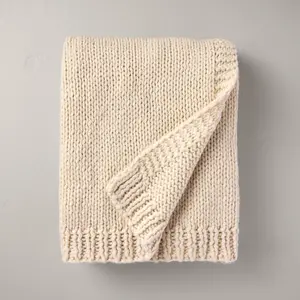
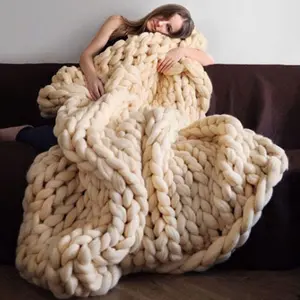
33x36 chunky knit blanket
Free shipping
VCNY Home Dublin Cable Knit Throw Blanket
Free shipping
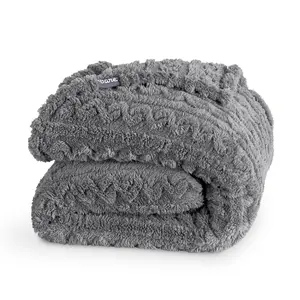
Bare Home Cable Knit Sherpa Blanket
Free shipping
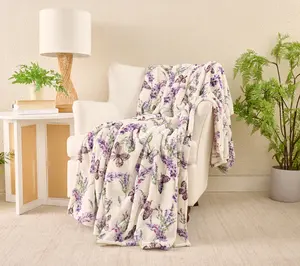
Berkshire 60x80 Velvetsoft Floral Throw in Gift Box Plush Blankets
Free shipping
Superior Boho Knit Jacquard Fleece Fluffy Blanket - Twin
Free shipping
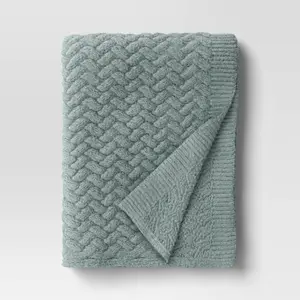
Chunky Chenille Throw Soft Green - Threshold
Free shipping
Handwoven Wool Blanket
Free shipping
ZEN WEIGHTED KNITTED BLANKET
Free shipping
Copper Pearl Knit Swaddle Blanket
Free shipping
QVC, Inc
-36%$32.07$50.00
Saro Tricot Blanket
Free shipping
QVC, Inc
$57.00
Sorbet Almond Croissant Blanket
Free shipping
Minky Couture
5.03 sold
$94.00
Hugs Marble Onyx Blanket
Free shipping
Minky Couture
4.816 sold
$154.00
Chunky Knit Throw Blanket
Free shipping
Linens & Hutch
-64%$94.71$261.00

Introduction

When it comes to knitting, the finishing touches are just as important as the knitting process itself. Blocking blankets knitted is a crucial step that allows knitters to achieve a professional look for their handmade creations. By blocking, you can smooth out stitches, enhance the drape of the fabric, and ensure that your blanket maintains its intended shape and size. This technique is particularly beneficial for intricate patterns and lacework, which can often appear uneven if not properly blocked.

Here are some key benefits of blocking your knitted blankets:
  • Improved Appearance: Blocking helps to even out stitches, giving your blanket a polished and professional finish.
  • Defined Patterns: It accentuates lace patterns and textures, making them more pronounced and visually appealing.
  • Correct Measurements: Blocking allows you to set the dimensions of your blanket, ensuring it fits your intended space perfectly.
  • Enhanced Drape: The process softens the yarn, improving the overall drape and feel of the blanket.
To block your knitted blanket, you can use various methods such as wet blocking, steam blocking, or spray blocking. Each method has its own advantages, and the choice often depends on the type of yarn used and the desired outcome. Remember, taking the time to properly block your knitted blankets can significantly elevate your finished project, making it a worthy investment of your time and effort. Trust in the proven quality of your craftsmanship, and enjoy the satisfaction of a beautifully finished knitted blanket.

FAQs

How can I choose the best blocking method for my knitted blanket?

The best blocking method depends on the yarn type and the desired finish. Wet blocking is ideal for most fibers, while steam blocking works well for delicate yarns. Always test a small swatch first.

What materials do I need for blocking my knitted blankets?

You will typically need blocking mats, T-pins or blocking wires, and a spray bottle or access to steam for the blocking process.

Are there any common mistakes people make when blocking knitted blankets?

Common mistakes include not using enough pins to secure the blanket, blocking with the wrong method for the yarn type, or skipping the blocking process altogether.

How long should I let my knitted blanket dry after blocking?

It's best to let your knitted blanket dry completely, which can take anywhere from several hours to a full day, depending on the thickness of the yarn and the blocking method used.

Can I block my knitted blanket multiple times?

Yes, you can block your knitted blanket multiple times, especially if it loses its shape after washing or use. Just be sure to follow the appropriate blocking techniques for the yarn.