blender vs food processor
Blender vs food processor refers to the comparison between two popular kitchen appliances used for food preparation. While both appliances are useful, they have distinct functions and capabilities.
Featured brands
Authenticated productsVerified shops


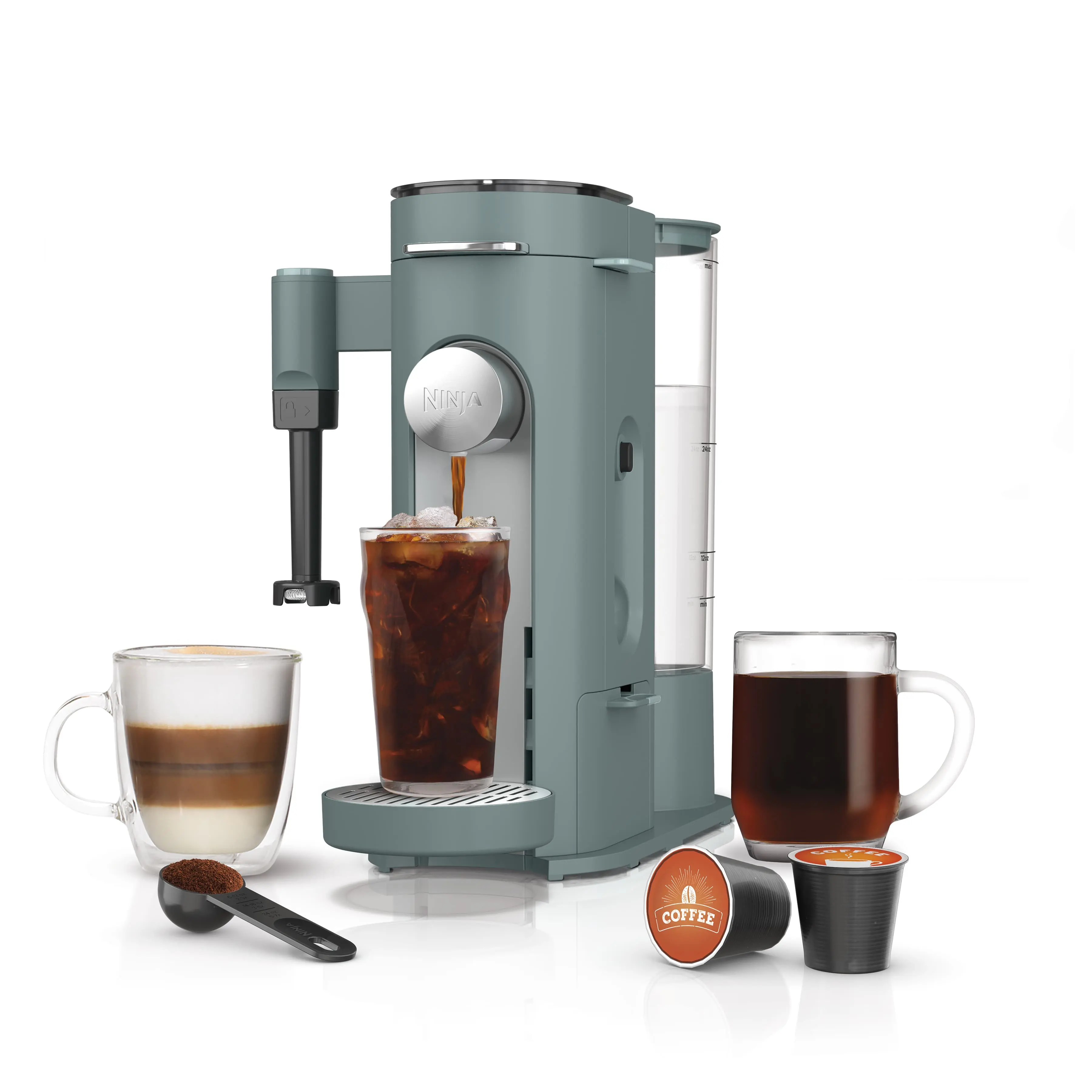
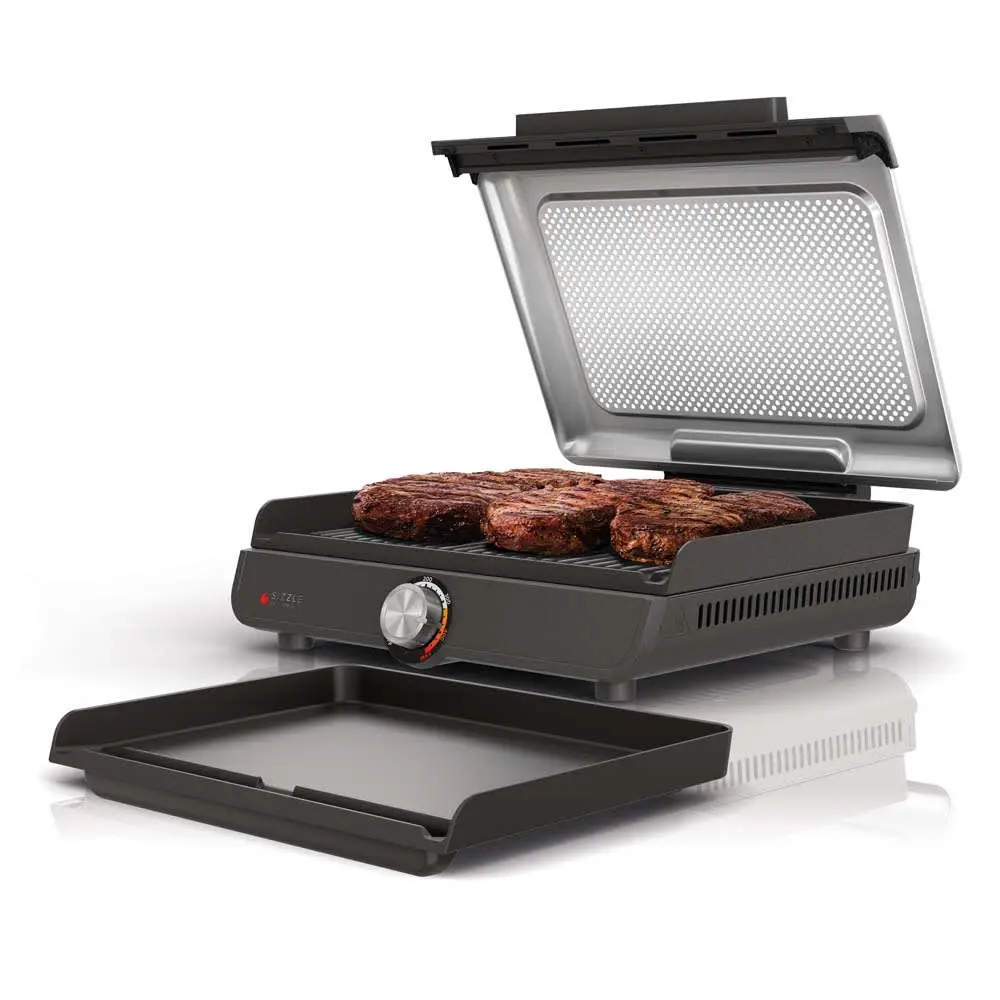
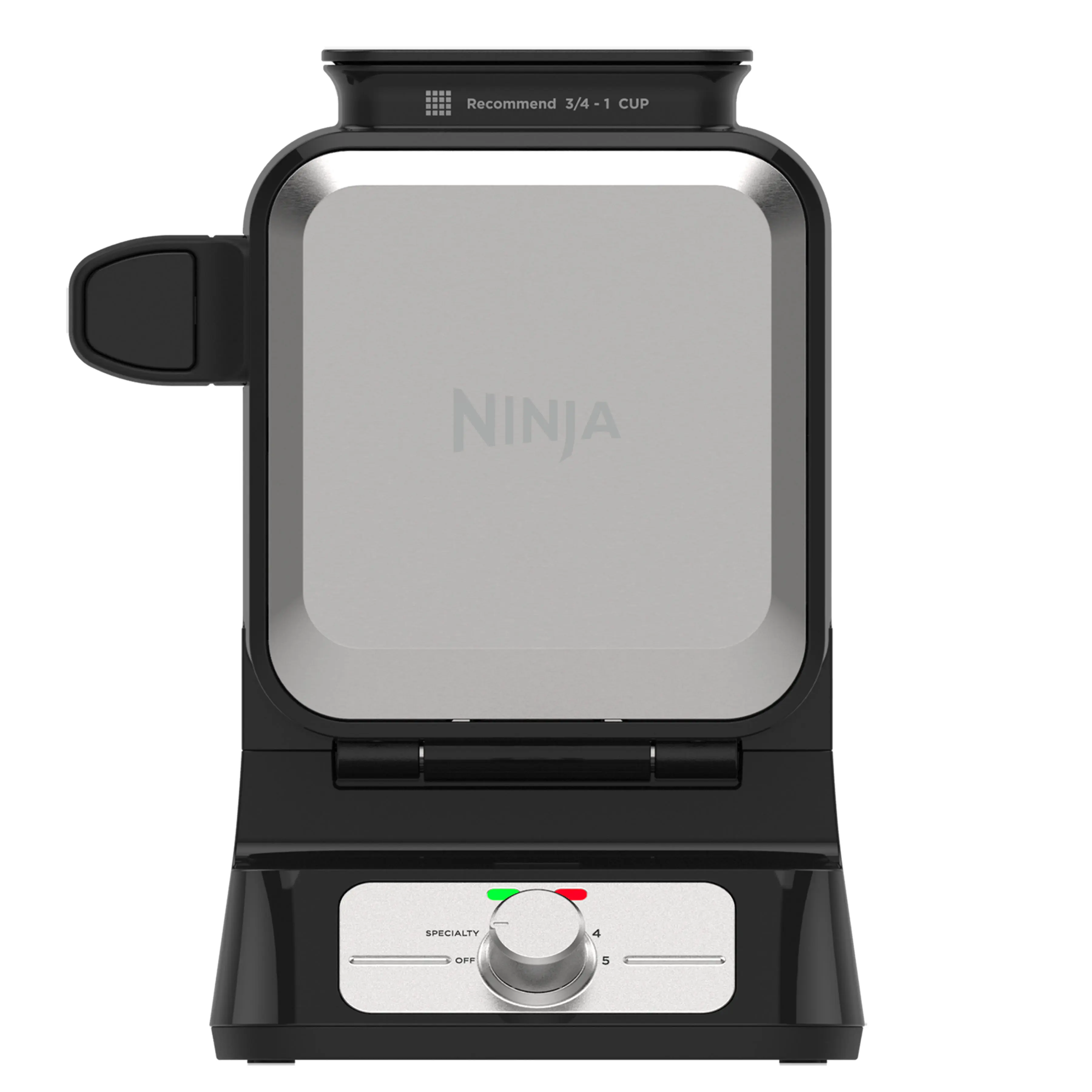
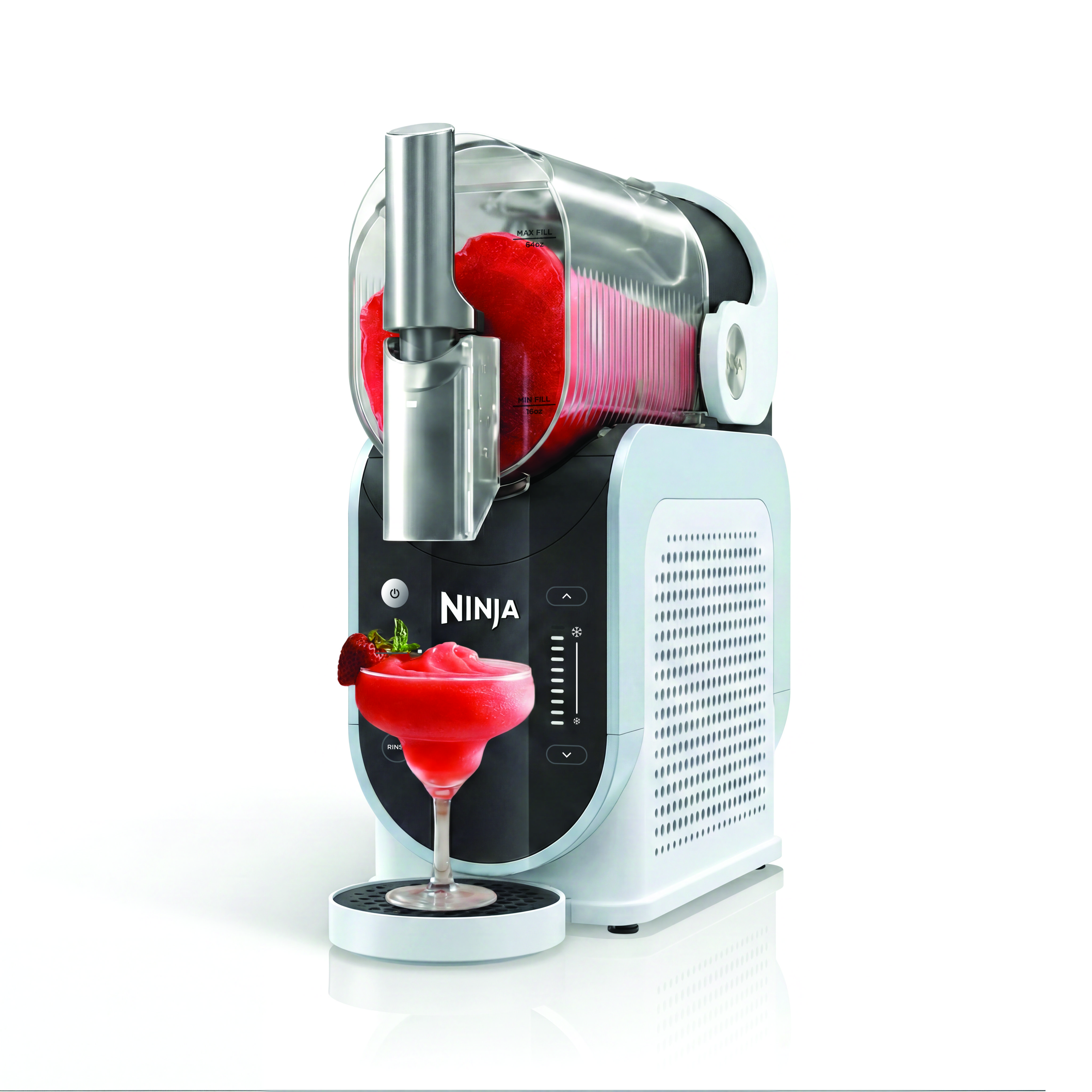


Ninja Kitchen US

4.8
3.9K sold
$324.99

5.0
10 sold
-10%$40.49$44.99


4.4
92 sold
-38%$58.47$93.59

Saker
4.4
179 sold

-46%$35.09$64.99


No more products
Related Searches
Related Categories
Introduction
When it comes to kitchen appliances, the debate of blender vs food processor often arises among culinary enthusiasts and home cooks alike. Both tools are essential for different tasks, and understanding their unique functionalities can enhance your cooking experience. A blender is ideal for creating smoothies, soups, and sauces, as it excels at liquefying ingredients. On the other hand, a food processor is designed for chopping, slicing, and dicing, making it perfect for preparing vegetables, making dough, or even shredding cheese.
Here are some key points to consider when choosing between a blender and a food processor:
Here are some key points to consider when choosing between a blender and a food processor:
- Versatility: Food processors come with various attachments that allow you to perform multiple tasks, while blenders are primarily focused on liquid-based recipes.
- Texture: If you need a smooth consistency, a blender is your best bet. For chunky textures, a food processor is more suitable.
- Capacity: Consider the size of the bowl or jar; food processors typically have larger capacities for bulk food prep.
- Ease of Cleaning: Blenders generally have fewer parts, making them easier to clean compared to food processors.