benadryl melatonin
Benadryl and melatonin are both substances commonly used to aid sleep and manage allergies. Benadryl is an antihistamine that can cause drowsiness, while melatonin is a hormone that regulates sleep-wake cycles.
Featured brands
Authenticated productsVerified shops




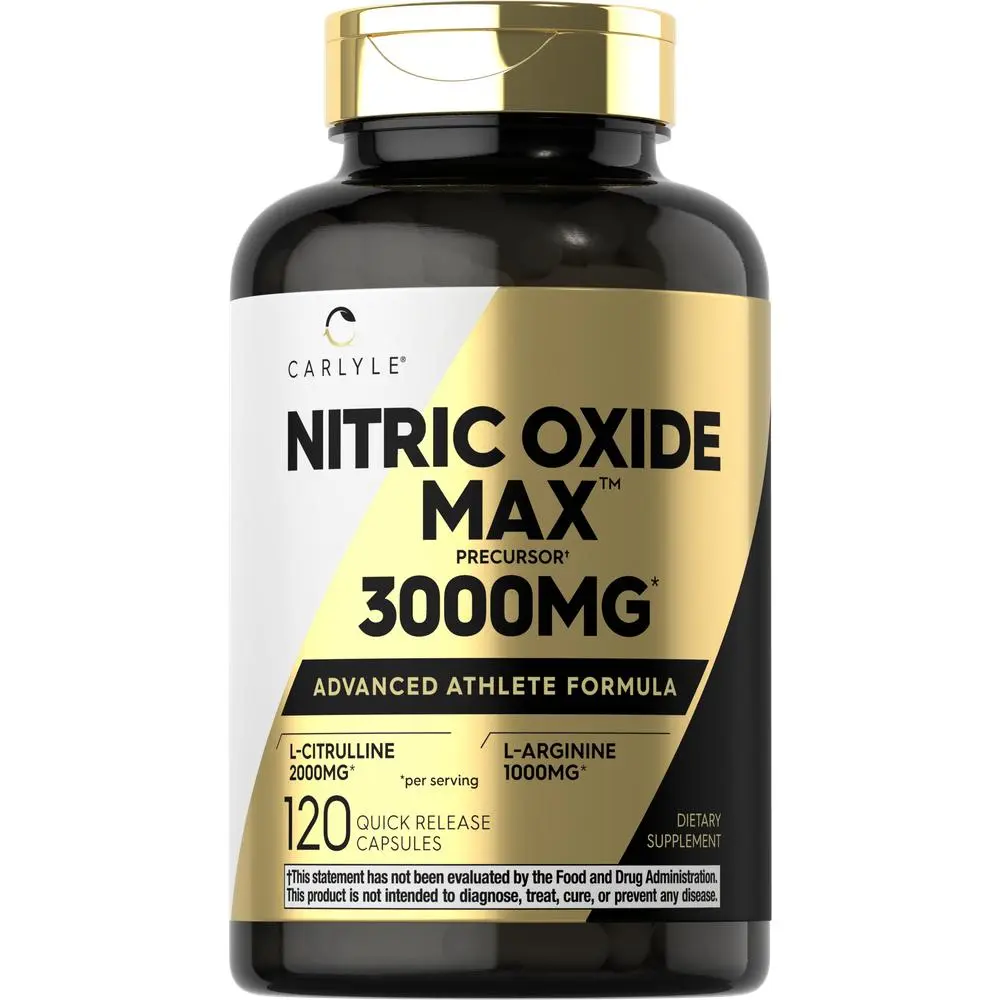
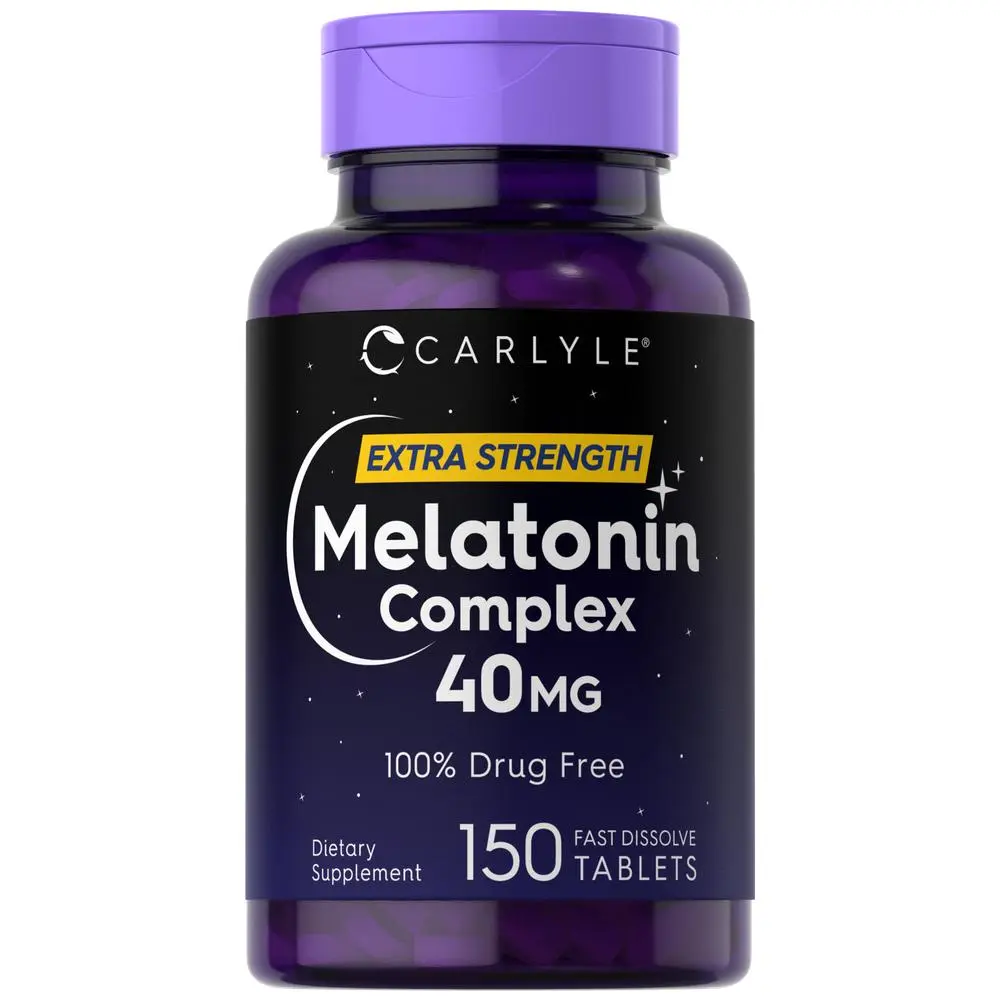

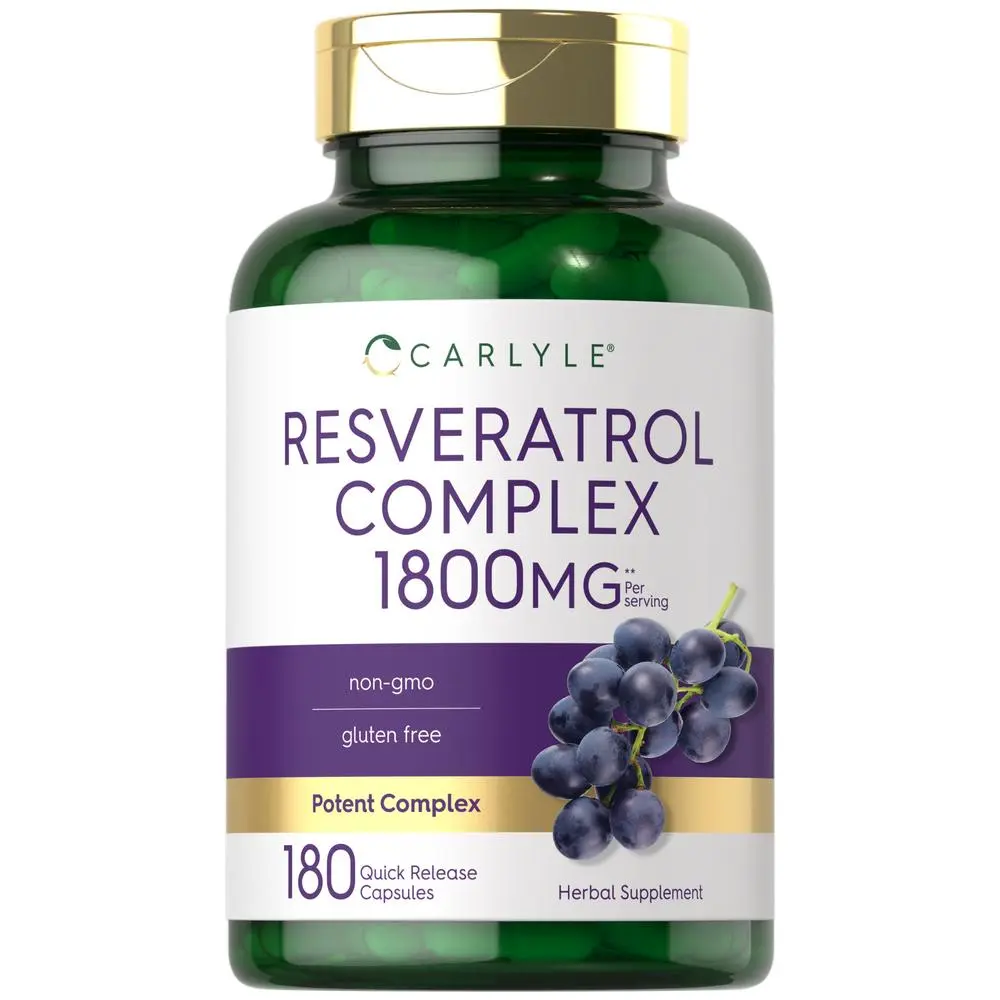

Carlyle Nutritionals

4.4
17.1K sold

$14.99

Goli Nutrition
4.4
121.5K sold
-21%$14.98$19.00


Carlyle Nutritionals
4.3
1.3K sold
$9.39

Carlyle Nutritionals
4.6
2.6K sold
$14.39

Carlyle Nutritionals
4.5
1.8K sold
$13.99


Carlyle Nutritionals
4.6
499 sold
$13.99

Micro Ingredients
4.6
5.4K sold
-13%$19.95$22.95


Goli Nutrition
4.7
33.5K sold
-21%$44.98$57.00


5.0
3 sold
-50%$14.99$29.98


Micro Ingredients
5.0
62 sold
$23.95

Carlyle Nutritionals
4.6
43 sold
$12.69

OLLY Wellness
4.5
9.0K sold

$13.99


Official Vitamatic
4.8
262 sold
$20.98


Related Searches
Related Categories
Introduction
Benadryl and melatonin are popular options for those seeking relief from sleep disturbances and allergy symptoms. Many individuals struggle with sleep issues, and understanding how these two substances work can be beneficial.
Benadryl, known generically as diphenhydramine, is an antihistamine that is often used to alleviate allergy symptoms. However, one of its side effects is drowsiness, making it a common choice for those looking to fall asleep. On the other hand, melatonin is a hormone naturally produced by the body that helps regulate sleep cycles. Supplementing with melatonin can be particularly helpful for individuals who have difficulty falling asleep or adjusting to new sleep schedules.
Here are some key points to consider when thinking about Benadryl and melatonin:
Benadryl, known generically as diphenhydramine, is an antihistamine that is often used to alleviate allergy symptoms. However, one of its side effects is drowsiness, making it a common choice for those looking to fall asleep. On the other hand, melatonin is a hormone naturally produced by the body that helps regulate sleep cycles. Supplementing with melatonin can be particularly helpful for individuals who have difficulty falling asleep or adjusting to new sleep schedules.
Here are some key points to consider when thinking about Benadryl and melatonin:
- Proven effectiveness: Both have been shown to aid sleep, but they work in different ways.
- Usage scenarios: Benadryl may be more suitable for those experiencing allergies, while melatonin is often used for sleep regulation.
- Consultation recommended: It's always a good idea to consult with a healthcare professional before starting any new supplement or medication.
- Potential side effects: Be aware of the drowsiness associated with Benadryl and the varying effects of melatonin.
- Trusted by many: Both options have been used by countless individuals seeking relief from sleep issues.