Search
Coupon Center
Get app
Log in
TikTok Shop
Shop All Categories
beach mouse
Results for "beach mouse"
Featured brands
Authenticated products
Verified shops
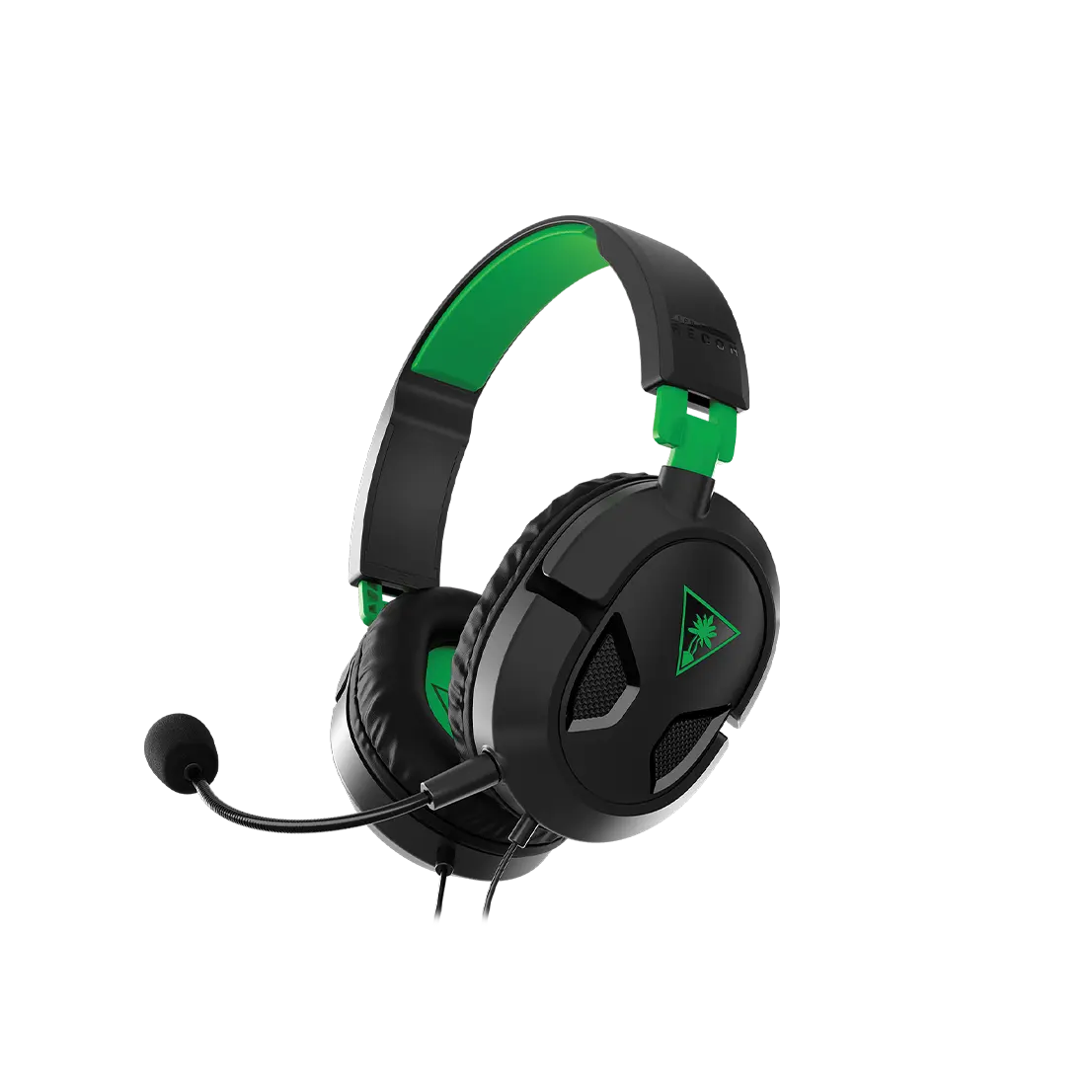
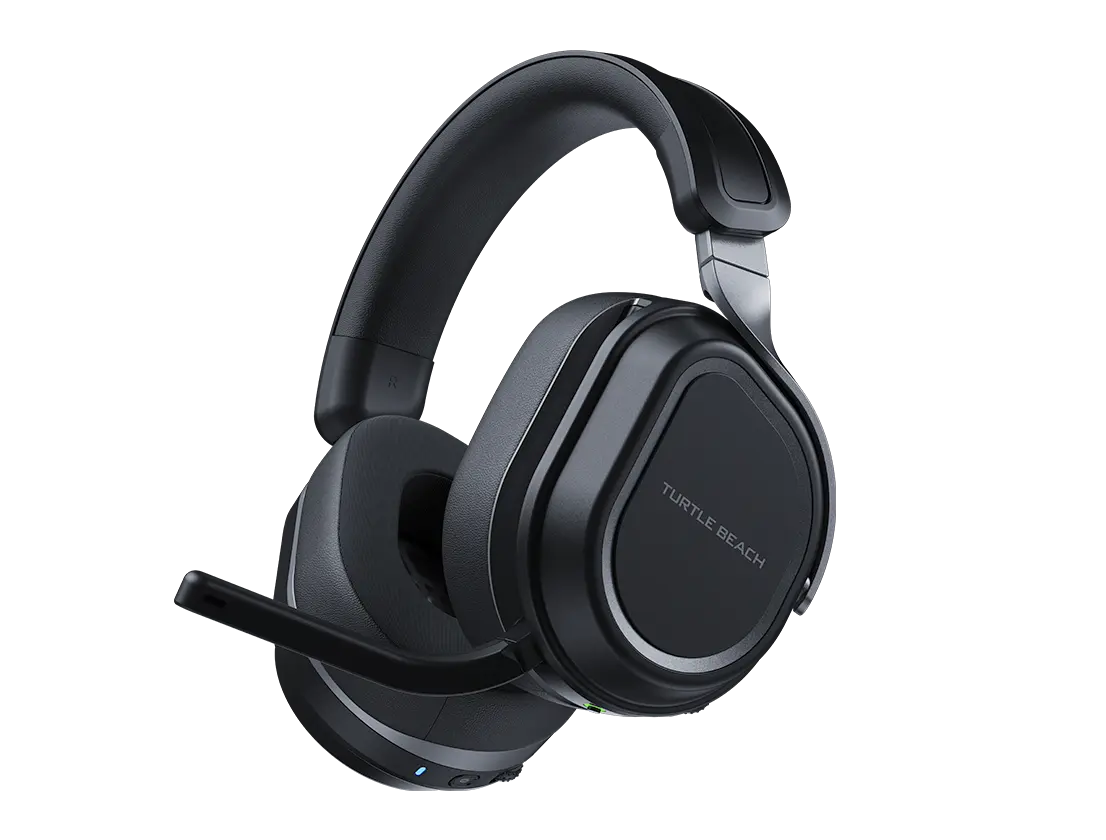
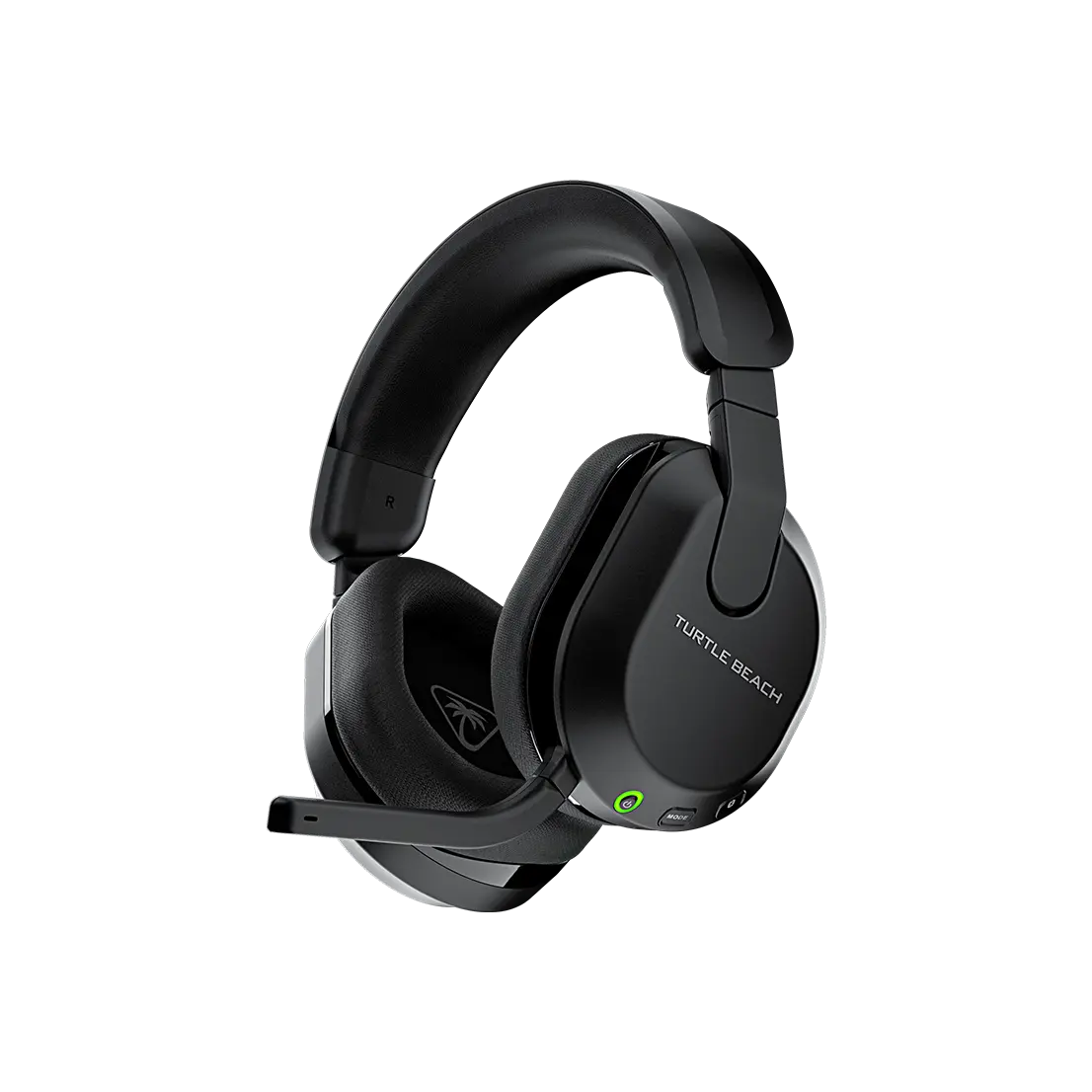
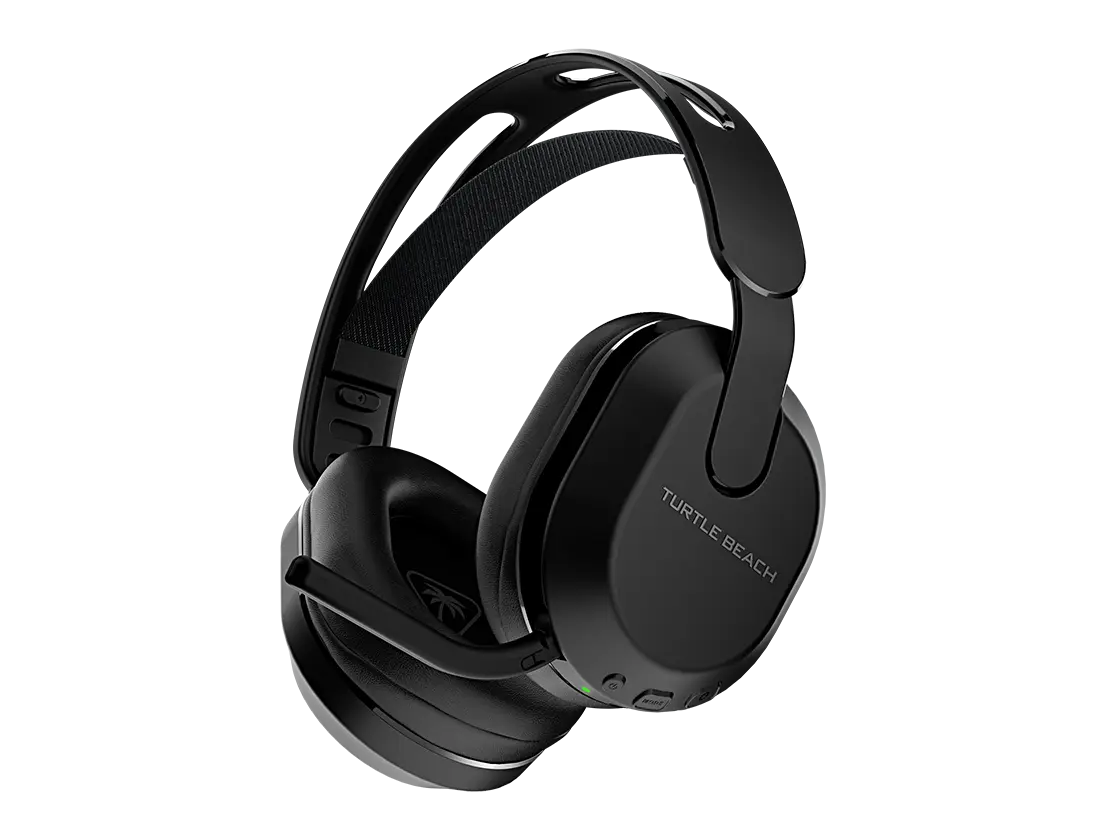
Turtle Beach Gaming
4.5
18.5K
Sold
689.3K+
Follower
$
27
.99
$
199
.99
$
109
.99
$
59
.99
$
89
.99
$
39
.99
Free shipping
If crabby return to the beach
5.0
2 sold
$
33
.99
Crabby Beach DTF Transfer for Vibrant Colors Hot Peel Application Heavy Pressure Heat Press Required Detailed Instructions Included
13 sold
$
1
.70
If you give mouse a cookie earrings
5.0
217 sold
$
4
.00
Free shipping
If crabby return to the beach 2
5.0
6 sold
$
33
.99
Busy Beaver
1 sold
$
5
.99
Free shipping
Turtle Beach Gaming
Turtle Beach Kone II Air – Wireless Ergonomic RGB Gaming Mouse
4.7
3 sold
$
119
.99
Fishwife
Beach Mermaid Hat
4.9
6 sold
$
28
.00
Colorful Kawaii Sea Turtle Ocean Art Gaming Mouse Pad, Desk Accessory, Desk mats, Computer desk mat, desktop decoration pad, rubber non-slip lock edge work pad, multi-size mouse pad suitable for laptop, games, work, good gift
5.0
4 sold
$
6
.87
Free shipping
Turtle Beach Gaming
Turtle Beach Pure SEL - Ultra-Light Ergonomic RGB Gaming Mouse
3.3
25 sold
-50%
$
19
.99
$39.99
Free shipping
Turtle Beach Gaming
Turtle Beach Kone II – Wired Ergonomic RGB Gaming Mouse
4.6
4 sold
$
69
.99
Blue Ocean Wave Beach Coastal XXL Gaming Mouse Pad, Summer Tropical Desk Decor, Desk Gadgets, Non-Slip Rubber Desk Mat with Stitched Lock Edge, Washable Keyboard Pad for PC Gaming & Home Office, Perfect Gift for Beach & Ocean Lovers
5.0
1 sold
$
3
.38
Funny Sexy Starfish Design Square mouse pad, Aesthetic Desktop Decorative Pad, Rubber Anti-slip Lockedge Work Pad, Small Size For Laptop, Games, Work, Gaming Mouse Pad, Desktop Accessory, Computer Mouse Pad, Mousepad
5.0
81 sold
-45%
$
2
.91
$5.29
Free shipping
Need Money for Porsche T Shirt
4 sold
$
14
.21
Liquid computer aqua mouse pink rainbow glitter star kawaii gaming mouse, Frutiger Aero Computer Mouse y2k USB wired resin - fake PVC material crab. Gaming Accessories RBG creamy Keyboard
5.0
15 sold
$
19
.99
RGB wireless gaming mouse pink
3.7
49 sold
$
15
.00
Related Searches
beachmouse
gamer mouse
travel mouse
Shark mouse
mobile mouse
hunting mouse
pebble mouse
Gameing mouse
mouse gamer
Related Categories
Specialty DIY Supplies
T-shirts
Earrings
PC Gaming Accessories
Fishing
Hats
Mouse Pads
Keyboards & Mice