barefoot shoes winter
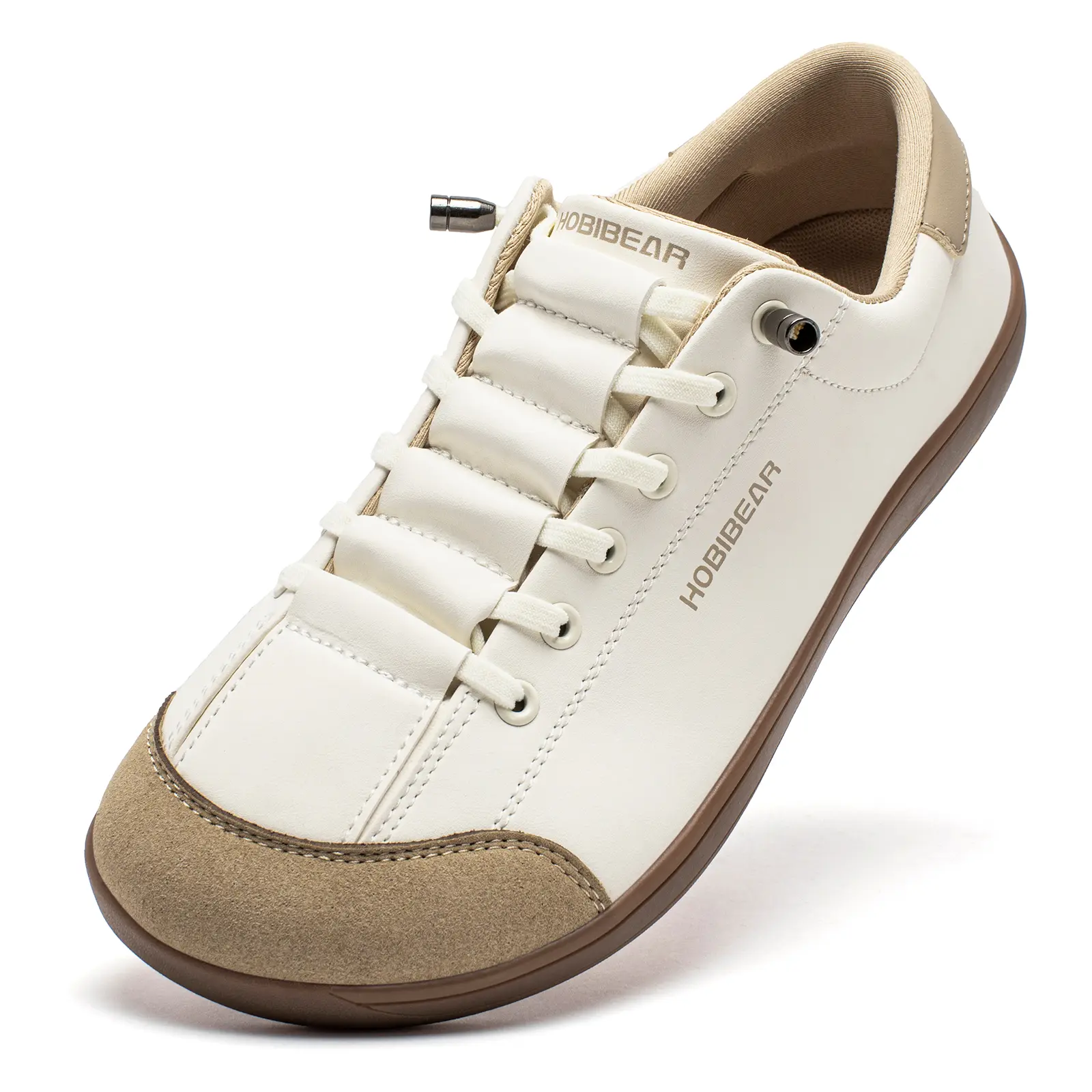
Barefoot shoes winter are specially designed footwear that allows the foot to move naturally while providing warmth and protection during colder months.
Featured brands
Authenticated productsVerified shops




Related Searches
Related Categories
Introduction
Barefoot shoes winter are becoming increasingly popular among those who value comfort and natural movement, even in the chilly season. These shoes offer a unique blend of flexibility and insulation, allowing you to enjoy the benefits of barefoot walking without sacrificing warmth. When considering barefoot shoes for winter, it's essential to look for features that provide both comfort and protection against the elements.
Here are some key aspects to consider when choosing the right pair of barefoot shoes for winter:
Here are some key aspects to consider when choosing the right pair of barefoot shoes for winter:
- Insulation: Look for shoes that offer adequate insulation to keep your feet warm.
- Water Resistance: Opt for water-resistant materials to protect against snow and moisture.
- Traction: Ensure the soles provide good grip to prevent slipping on icy surfaces.
- Fit: A proper fit is crucial for comfort; ensure there’s enough room for your toes to move naturally.
- Breathability: Choose materials that allow for airflow to keep your feet dry.