barefoot shoes running
Barefoot shoes for running are designed to mimic the natural feel of running barefoot, providing minimal cushioning and support while promoting a more natural foot movement.
Featured brands
Authenticated productsVerified shops


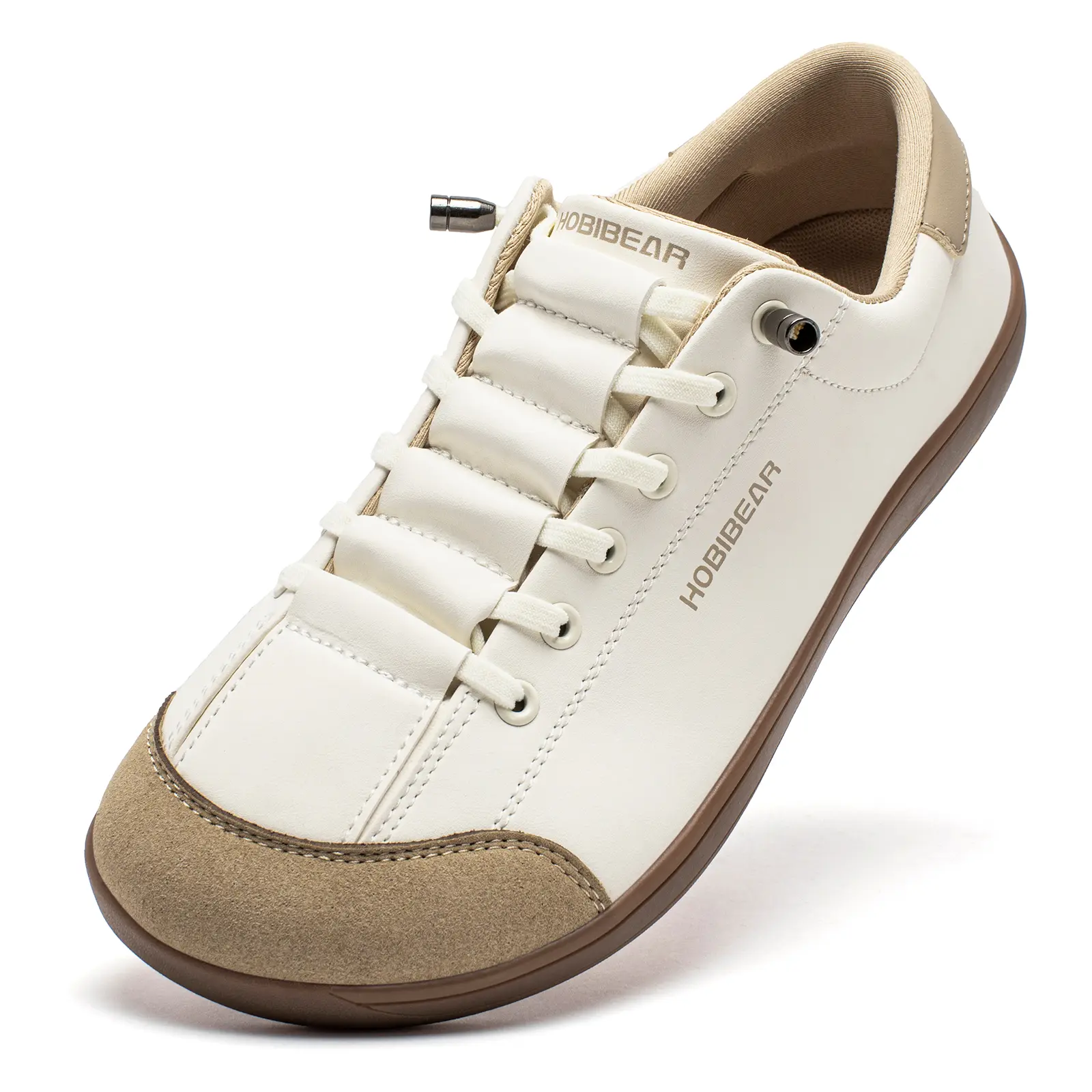
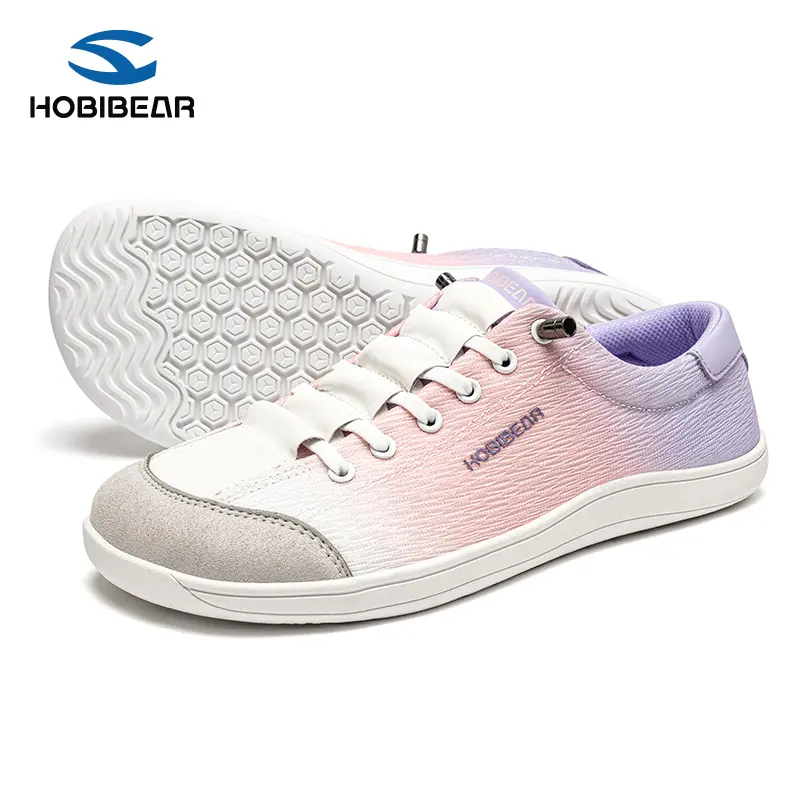
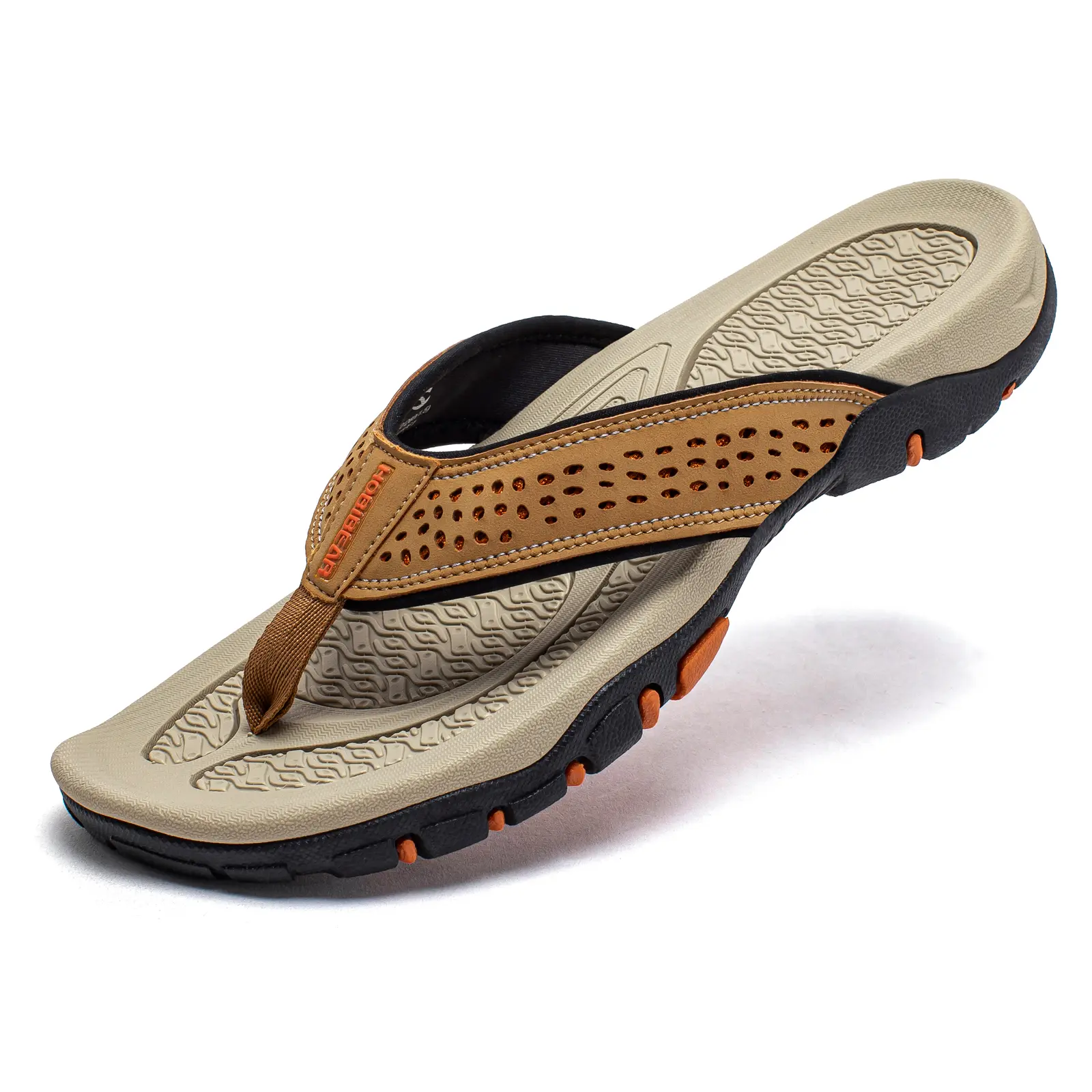


HOBIBEAR SHOES OFFICIAL

5.0
38 sold
$42.99


Related Searches
Related Categories
Introduction
Barefoot shoes running has gained immense popularity among fitness enthusiasts and casual runners alike. These innovative shoes are crafted to offer a unique running experience by allowing your feet to move freely, closely resembling the sensation of running barefoot. With barefoot shoes, you can improve your running form, enhance your foot strength, and reduce the risk of injuries associated with traditional running shoes.
When considering barefoot shoes, it's essential to understand their benefits and how they can transform your running routine. Here are some key points to keep in mind:
As you explore barefoot shoes for running, remember to transition gradually to avoid injury. Start with short distances and slowly increase as your feet adapt. With proven quality and customer-approved designs, barefoot shoes can be a game-changer in your running journey. Stay tuned for the latest trends and updates in the world of barefoot running shoes!
When considering barefoot shoes, it's essential to understand their benefits and how they can transform your running routine. Here are some key points to keep in mind:
- Natural Movement: Barefoot shoes encourage a more natural running style, promoting a forefoot or midfoot strike rather than a heel strike.
- Improved Foot Strength: By allowing your feet to flex and move naturally, these shoes help strengthen the muscles in your feet and lower legs.
- Enhanced Ground Feel: The minimal cushioning provides a better connection to the ground, allowing for improved balance and stability.
- Lightweight Design: Most barefoot shoes are lightweight, reducing fatigue during long runs.
- Versatile Use: Suitable for various terrains, barefoot shoes can be used for trail running, road running, or even casual wear.
As you explore barefoot shoes for running, remember to transition gradually to avoid injury. Start with short distances and slowly increase as your feet adapt. With proven quality and customer-approved designs, barefoot shoes can be a game-changer in your running journey. Stay tuned for the latest trends and updates in the world of barefoot running shoes!