barefoot school shoes
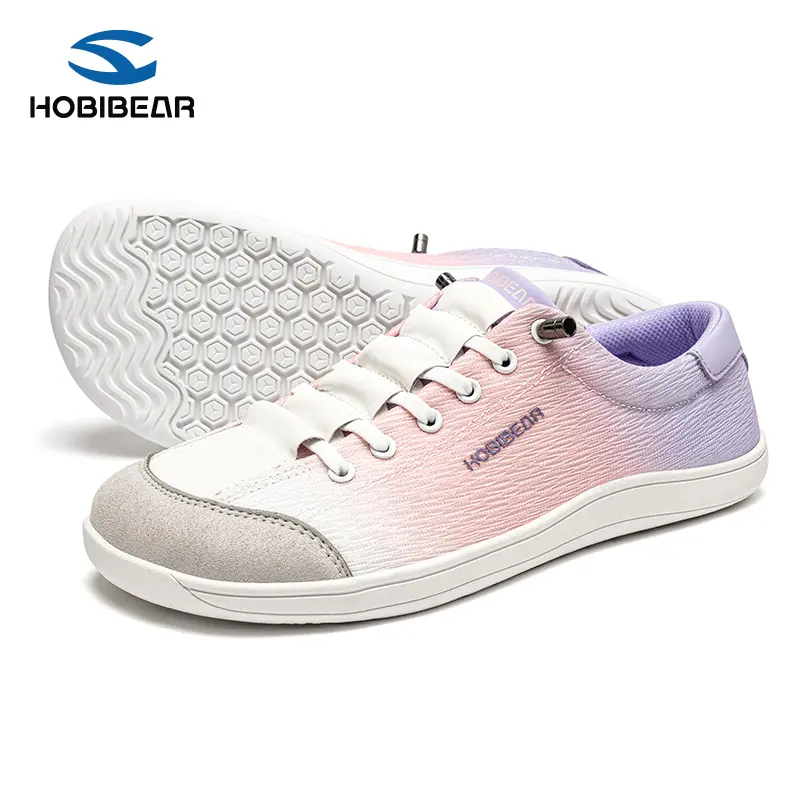
Barefoot school shoes are specially designed footwear that promotes natural foot movement and development, allowing children to experience the benefits of walking barefoot while still providing protection and support. These shoes are typically lightweight, flexible, and made from breathable materials.
Featured brands
Authenticated productsVerified shops




HOBIBEAR SHOES OFFICIAL

4.7
190 sold
$37.99


Related Searches
Related Categories
Introduction
Choosing the right footwear for your child is crucial, and barefoot school shoes offer an innovative solution that combines comfort, flexibility, and support. These shoes are designed to mimic the natural shape and function of a child's foot, promoting healthy development and allowing for better balance and coordination.
When selecting barefoot school shoes, consider the following features:
Regularly updating your child's footwear is essential as their feet grow, and barefoot school shoes are a fantastic choice that adapts to their changing needs.
When selecting barefoot school shoes, consider the following features:
- Flexible Soles: Look for shoes with soft, bendable soles that allow for natural foot movement.
- Wide Toe Box: A spacious toe area lets the toes spread out, which is essential for comfort and stability.
- Lightweight Materials: Shoes made from lightweight materials prevent fatigue and promote ease of movement.
- Breathability: Opt for shoes that are made with breathable fabrics to keep feet cool and dry throughout the school day.
- Secure Fit: Ensure the shoes have adjustable closures for a snug fit, preventing slipping and discomfort.
Regularly updating your child's footwear is essential as their feet grow, and barefoot school shoes are a fantastic choice that adapts to their changing needs.