Azelic acid pore clog
Azelaic acid is a topical medication used to treat acne and rosacea. It works by reducing inflammation, unclogging pores, and killing acne-causing bacteria.
Featured brands
Authenticated productsVerified shops


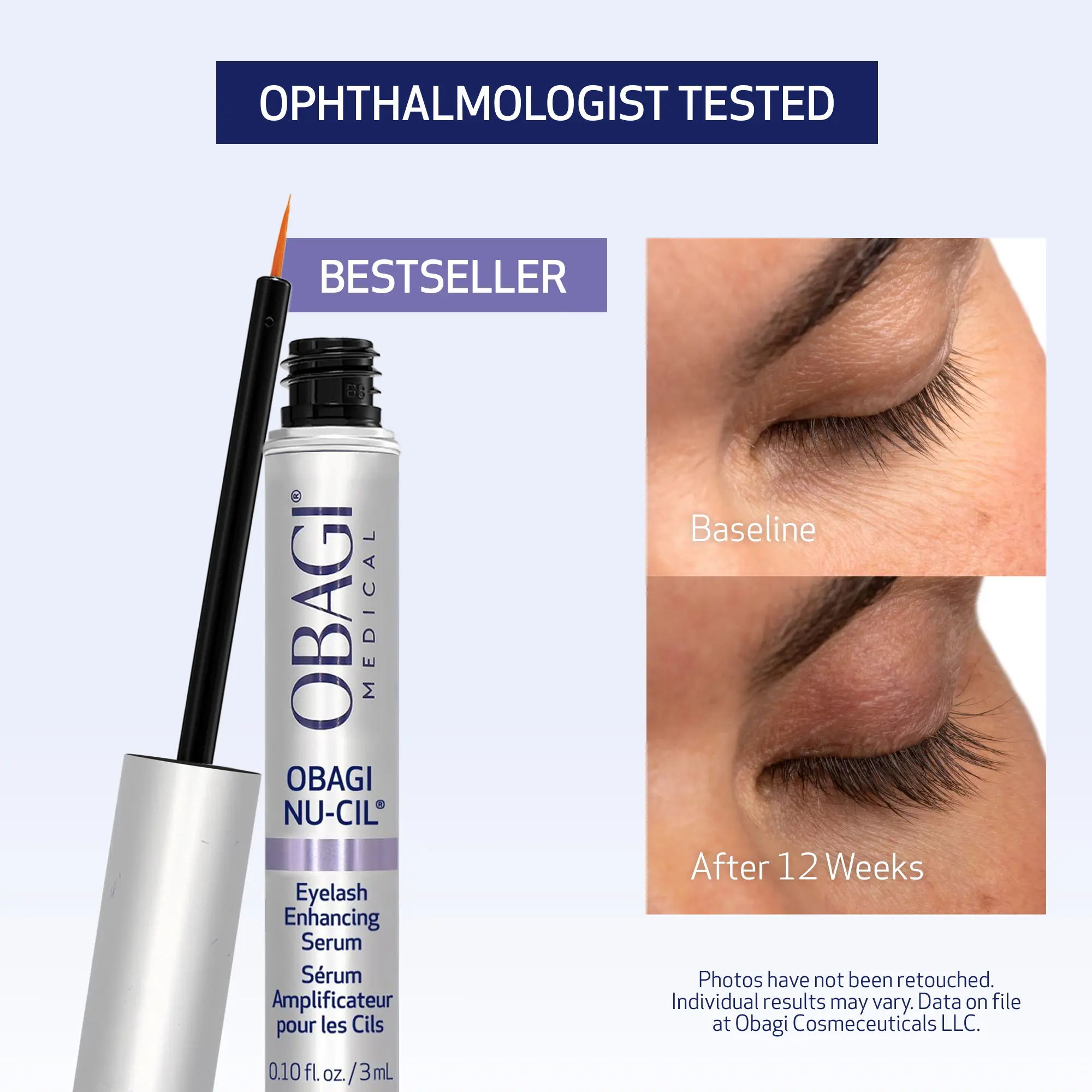
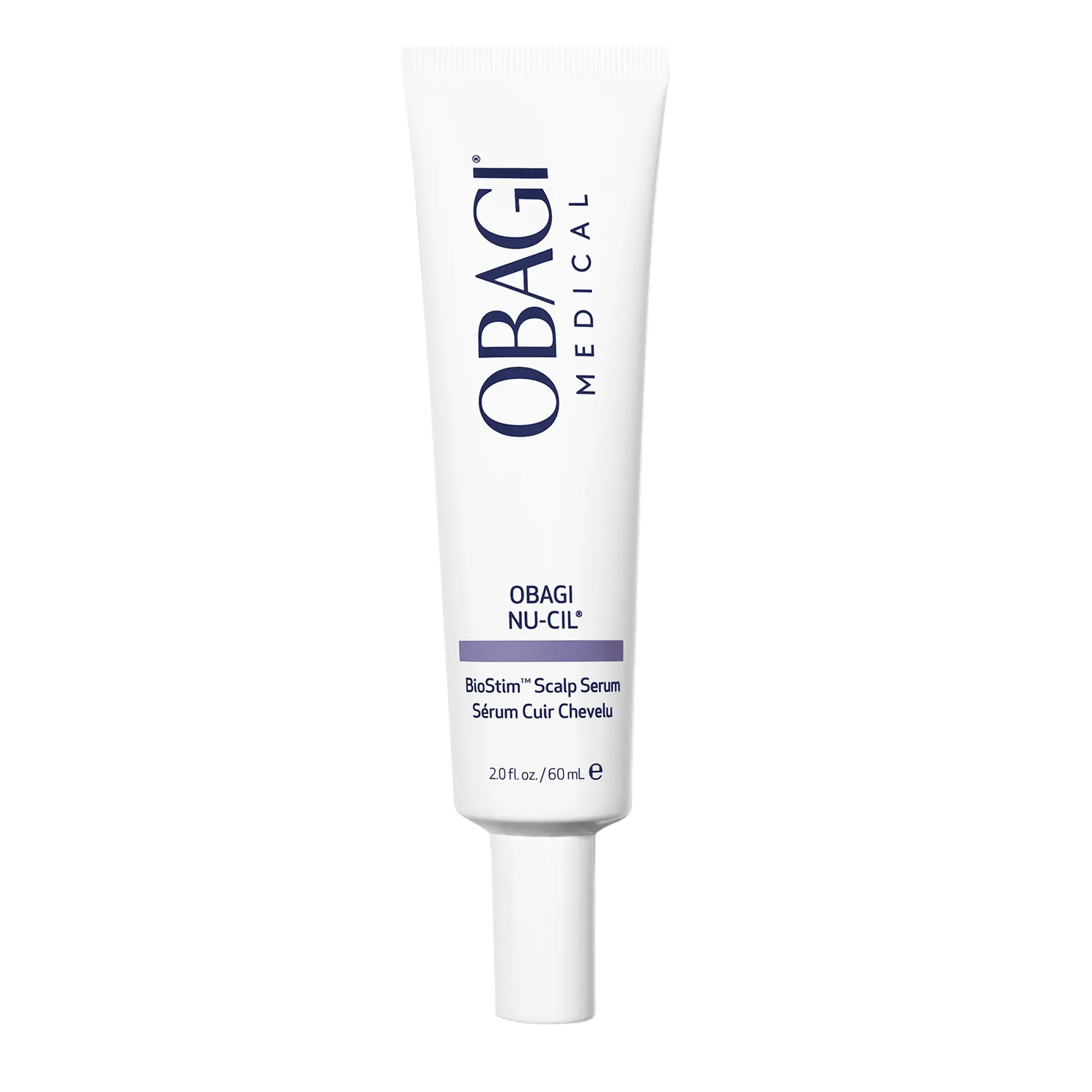
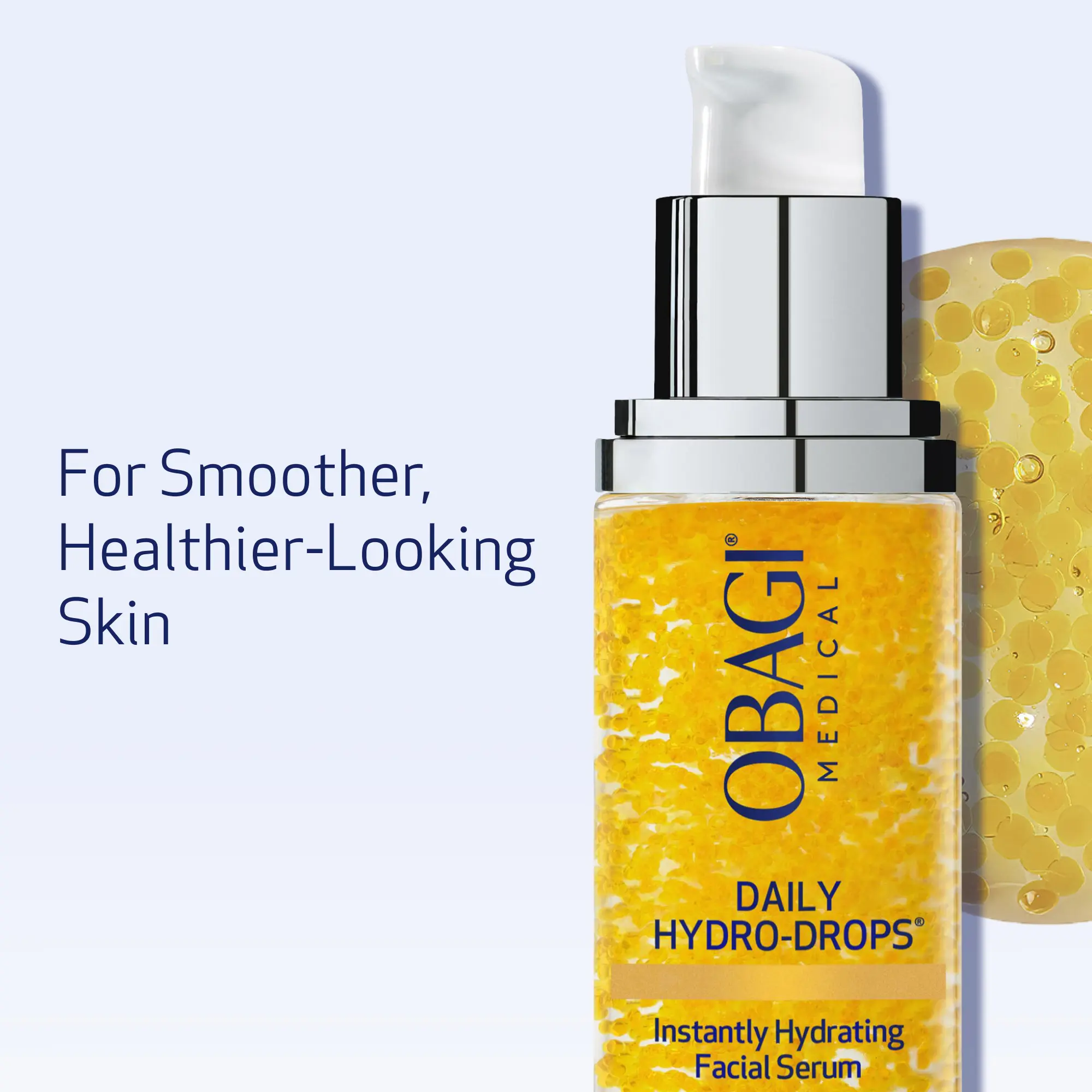

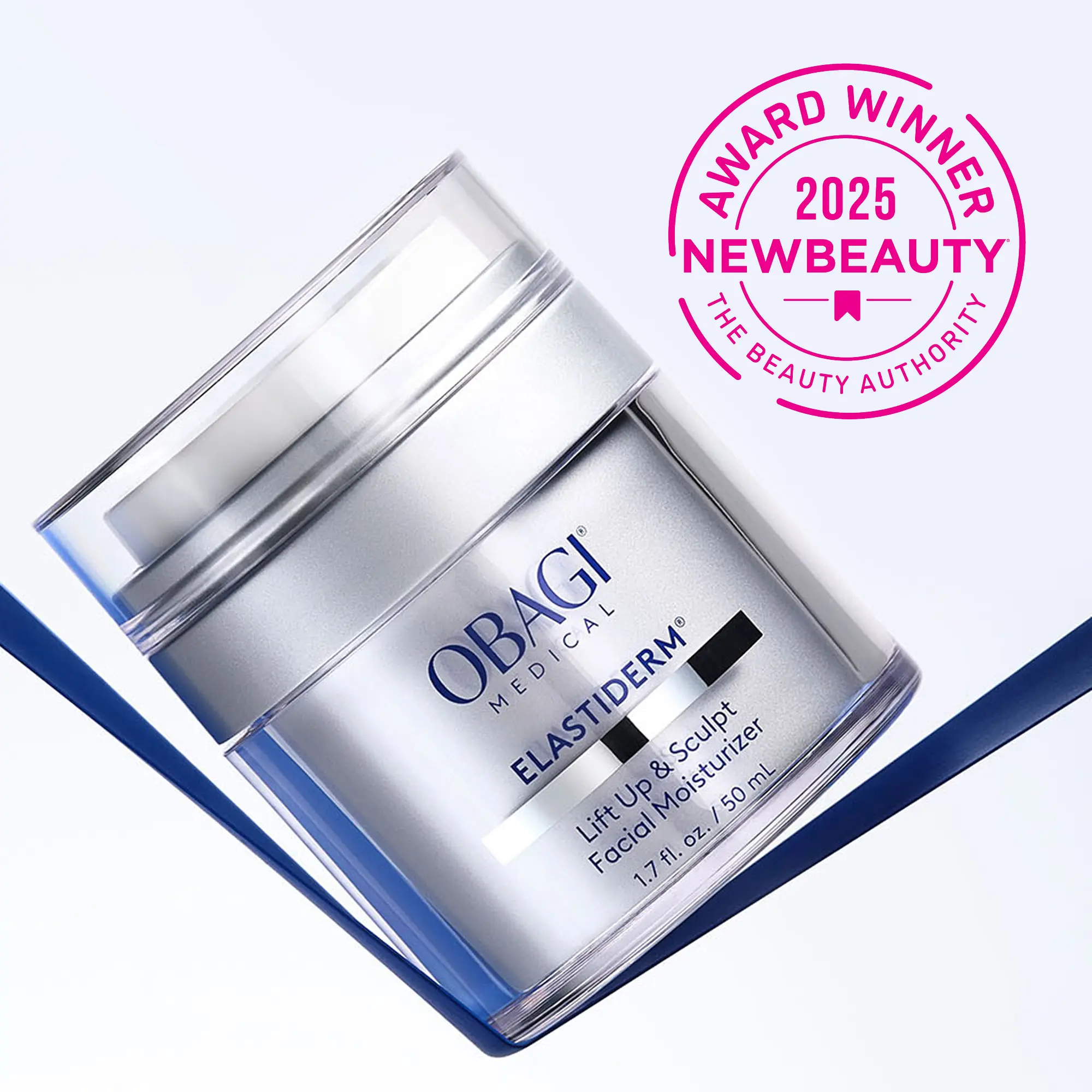


OBAGI MEDICAL SKINCARE

4.9
214 sold
$50.00


![[Official Medicube Partner] Zero Pore Pad (70ea), AHA Lactic Acid & 0.45% BHA Salicylic Acid, Improving Skin Texture, Mild Exfoliation, Easy To Use, Minimize Pores, Prevent Breakouts, Facial Peels, Korean Skincare](https://p16-oec-general-useast5.ttcdn-us.com/tos-useast5-i-omjb5zjo8w-tx/027aa1bb88cb4214b735fb4352919fd3~tplv-fhlh96nyum-resize-webp:600:600.webp?dr=12190&t=555f072d&ps=933b5bde&shp=8dbd94bf&shcp=a6e80448&idc=useast5&from=2378011839 "[Official Medicube Partner] Zero Pore Pad (70ea), AHA Lactic Acid & 0.45% BHA Salicylic Acid, Improving Skin Texture, Mild Exfoliation, Easy To Use, Minimize Pores, Prevent Breakouts, Facial Peels, Korean Skincare")
![[BY WISHTREND] Mandelic acid 5% Skin prep water, Gentle skin exfoliator for face, Aha Bha toner, Ideal for sensitive skin | Helping clogged pores and pigmentation Hydrating Moisture Moisturizing Skincare Exfoliant Exfoliate Skin Repair Comfort](https://p16-oec-general-useast5.ttcdn-us.com/tos-useast5-i-omjb5zjo8w-tx/13d34b31d823415c929ad909c59b8d73~tplv-fhlh96nyum-resize-webp:600:600.webp?dr=12190&t=555f072d&ps=933b5bde&shp=8dbd94bf&shcp=a6e80448&idc=useast5&from=2378011839 "[BY WISHTREND] Mandelic acid 5% Skin prep water, Gentle skin exfoliator for face, Aha Bha toner, Ideal for sensitive skin | Helping clogged pores and pigmentation Hydrating Moisture Moisturizing Skincare Exfoliant Exfoliate Skin Repair Comfort")
Related Searches
Related Categories
Introduction
Azelaic acid is gaining popularity in the realm of acne treatments due to its effective properties in combating acne and improving skin texture. This powerful ingredient is known for its ability to penetrate the skin and target the root causes of acne, making it a valuable addition to any skincare routine. Users often seek azelaic acid for its dual action: it not only helps in reducing existing acne but also prevents future breakouts by unclogging pores.
When considering azelaic acid as part of your acne treatment plan, it's essential to understand its benefits:
For those struggling with acne, azelaic acid can be a game-changer. It is suitable for various skin types and can be used in conjunction with other acne treatments for enhanced results. Always consult with a dermatologist to determine the best regimen for your skin's specific needs. With proven quality and customer-approved results, azelaic acid remains a trusted choice for acne treatment.
When considering azelaic acid as part of your acne treatment plan, it's essential to understand its benefits:
- Reduces Inflammation: Azelaic acid helps calm inflamed skin, providing relief from redness and swelling associated with acne.
- Unclogs Pores: This ingredient effectively exfoliates the skin, helping to prevent clogged pores that can lead to breakouts.
- Antibacterial Properties: Azelaic acid has proven antibacterial effects, targeting the bacteria responsible for acne.
- Improves Skin Texture: Regular use can lead to smoother skin and a more even complexion.
For those struggling with acne, azelaic acid can be a game-changer. It is suitable for various skin types and can be used in conjunction with other acne treatments for enhanced results. Always consult with a dermatologist to determine the best regimen for your skin's specific needs. With proven quality and customer-approved results, azelaic acid remains a trusted choice for acne treatment.