Apply spf before or after primer
Applying SPF before or after primer is a common question among skincare enthusiasts. It is generally recommended to apply sunscreen first to ensure proper protection against UV rays.
Featured brands
Authenticated productsVerified shops

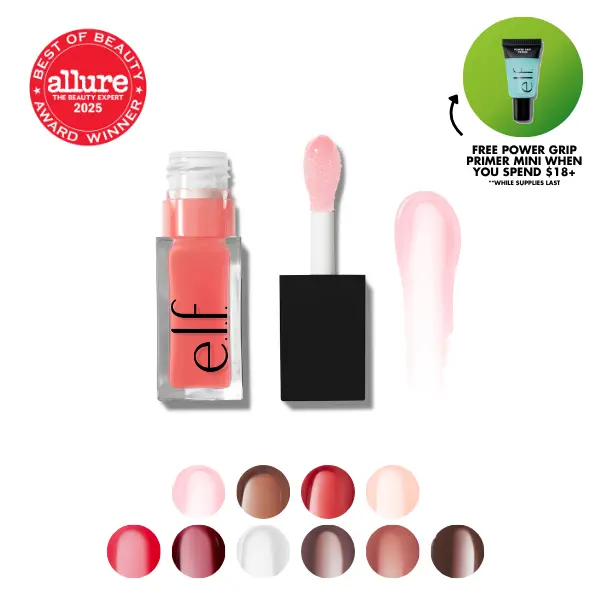
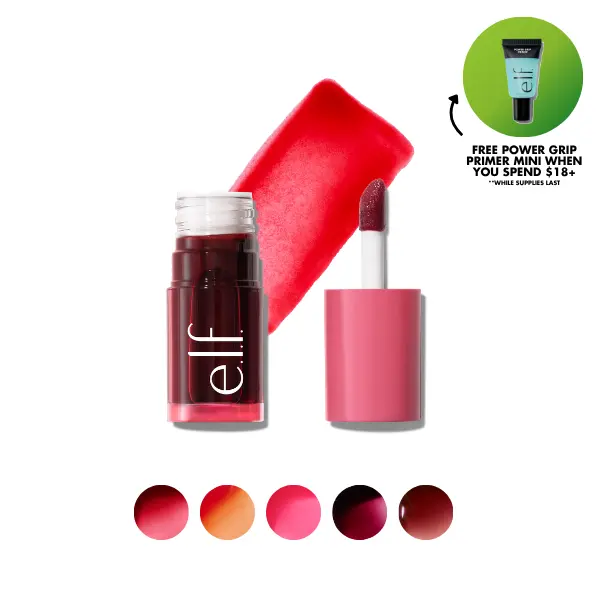

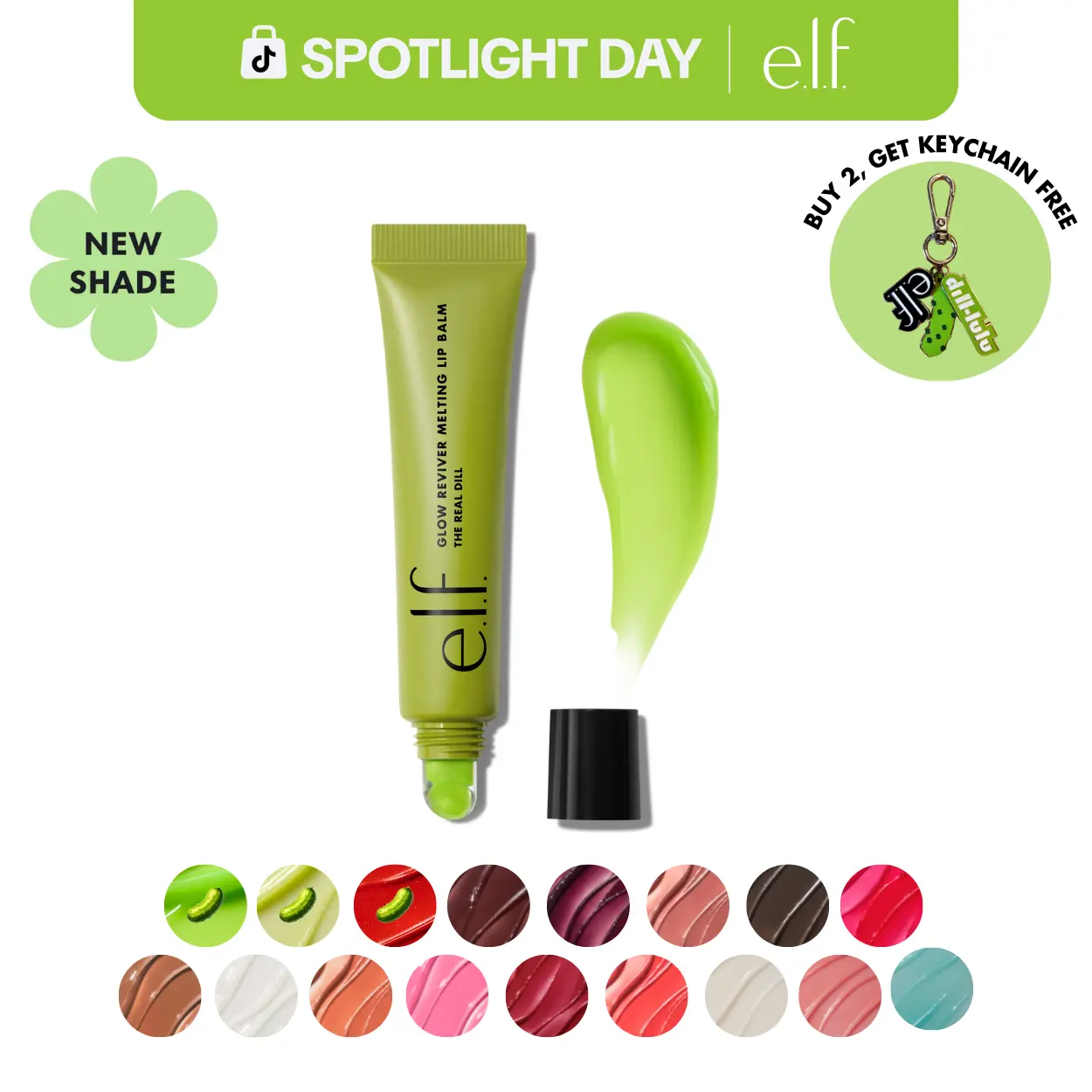
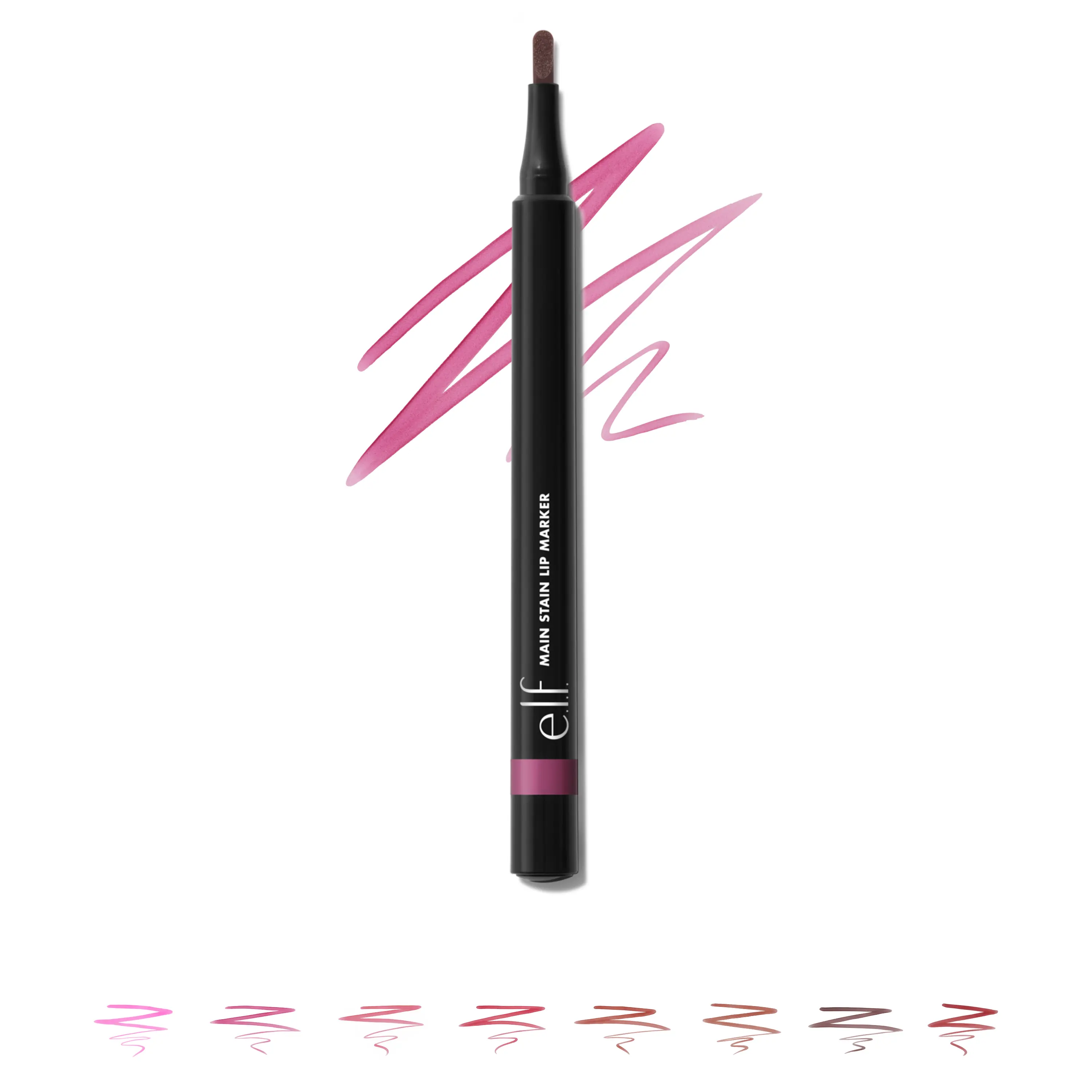


e.l.f. Cosmetics

4.4
4.5K sold
$13.50


e.l.f. Cosmetics
4.8
2.1K sold
$17.50


Related Searches
Related Categories
Introduction
When it comes to skincare, one of the most frequently asked questions is whether to apply SPF before or after primer. The answer is clear: sunscreen should always be applied first. This ensures that your skin receives the full benefits of the SPF, protecting it from harmful UV rays. Applying facial sunscreen before primer creates a barrier that shields your skin, making it essential for anyone who spends time outdoors.
Here’s why applying SPF before primer is crucial:
Here’s why applying SPF before primer is crucial:
- Optimal Protection: Sunscreen needs to be directly on your skin to be effective. If you apply primer first, it can act as a barrier that prevents the sunscreen from properly adhering to your skin.
- Layering Benefits: By applying SPF first, you allow your primer to smoothly glide over your skin, creating a flawless base for your makeup.
- Proven Quality: Many dermatologists recommend this order to ensure that your skin is protected from sun damage, which can lead to premature aging and skin cancer.