Results for "apple cider vinegar cure yeast infection"
Apple cider vinegar is a type of vinegar made from fermented apple juice, known for its potential health benefits, including its use as a natural remedy for various conditions.


Horbaach

4.6
110.9K sold
$17.37
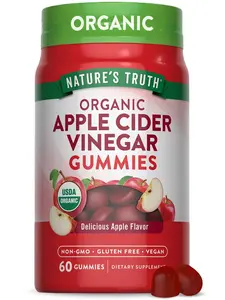


Goli Nutrition
4.6
124.7K sold
-46%$28.93$53.89
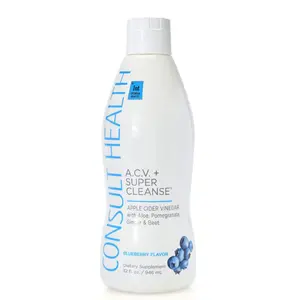


Weee Asian Supermarket
5.0
47 sold
$15.80

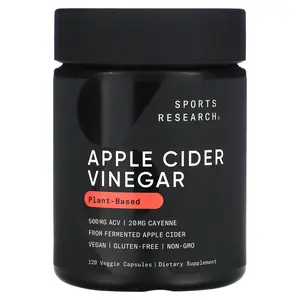


Yami. Best of Asia
$12.38


Goli Nutrition
4.5
38.1K sold
-63%$30.09$81.00

$7.50

$48.21
![CLEEFLEN Apple Cider Vinegar Gummies, with Vitamin B12 and Probiotics, Supports Digestive Health, Detox Cleanse, Immune Boost, Gluten-Free, Suitable for Vegetarians [60 Gummies] Natural Supplement](https://p16-oec-general-useast5.ttcdn-us.com/tos-useast5-i-omjb5zjo8w-tx/d72a0ad93316400a8909eb5105177438~tplv-fhlh96nyum-crop-webp:300:300.webp?dr=12190&t=555f072d&ps=933b5bde&shp=8dbd94bf&shcp=a6e80448&idc=useast5&from=2378011839 "CLEEFLEN Apple Cider Vinegar Gummies, with Vitamin B12 and Probiotics, Supports Digestive Health, Detox Cleanse, Immune Boost, Gluten-Free, Suitable for Vegetarians [60 Gummies] Natural Supplement")

$27.00


Bragg Live Food Products
4.8
14 sold
$21.67


Carlyle Nutritionals
4.6
89 sold
$15.60

Goli Nutrition
4.6
503.6K sold
-56%$35.60$81.27


Related Searches
Introduction
Apple cider vinegar has gained popularity as a natural remedy for a variety of health issues, including yeast infections. This fermented liquid is rich in acetic acid, which is believed to have antifungal properties that can help combat yeast overgrowth. Many individuals turn to apple cider vinegar for its potential to restore balance to the body's natural flora, making it a favored choice among those seeking natural solutions.
When considering apple cider vinegar for yeast infections, it’s essential to understand how it may work. The antifungal properties of apple cider vinegar can inhibit the growth of Candida, the yeast responsible for infections. Here are some key points to consider:
When considering apple cider vinegar for yeast infections, it’s essential to understand how it may work. The antifungal properties of apple cider vinegar can inhibit the growth of Candida, the yeast responsible for infections. Here are some key points to consider:
- Usage: Apple cider vinegar can be diluted with water and used as a topical treatment or taken internally, but it's crucial to consult with a healthcare professional before starting any treatment.
- Proven Quality: Many users report positive results, making it a trusted choice for those looking for alternative remedies.
- Customer Approval: Thousands of users have shared their experiences and successes with apple cider vinegar, highlighting its effectiveness.
- Additional Benefits: Besides potentially treating yeast infections, apple cider vinegar is also known for aiding digestion and supporting weight loss.