Results for "ancient egyptian garments"
Ancient Egyptian garments refer to the traditional clothing worn in ancient Egypt, characterized by linen fabrics and simple designs. These garments were often adorned with jewelry and other accessories, reflecting the status and wealth of the wearer.


$32.00
$80.00


$35.00


$265.00


$67.00

$54.68

$64.00
$40.00



$13.85
Related Searches
Related Categories
Introduction
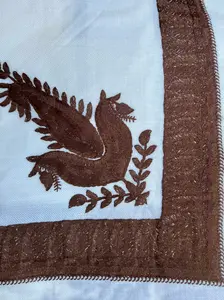
Ancient Egyptian garments are fascinating pieces of history that offer insight into the culture and lifestyle of one of the world's earliest civilizations. Typically made from linen, these garments were designed to be lightweight and breathable, important for the hot desert climate. The most common types of clothing included kilts for men and long dresses for women, often featuring intricate beadwork and embroidery.
Here are some key aspects of ancient Egyptian garments:
Here are some key aspects of ancient Egyptian garments:
- Materials: Linen was the primary fabric used, sourced from the flax plant, which was abundant in the region.
- Design: Clothing was generally simple, with few seams, allowing for ease of movement.
- Color: White was the most common color, symbolizing purity, but dyes were also used to create vibrant hues.
- Accessories: Jewelry, such as necklaces and bracelets, were important for both aesthetic and status reasons.
- Functionality: Garments were designed to keep the wearer cool while also allowing for ease of movement during daily activities.