Results for "analog clock vs digital clock"
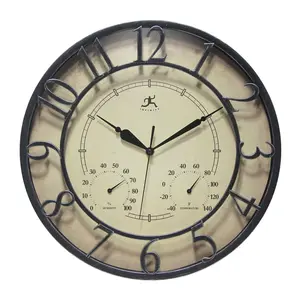
An analog clock displays time using hands that move around a dial, while a digital clock shows time in numerical format. Both types serve the same purpose but cater to different preferences and aesthetics.




![[Spring Savings] 10" Round USB LED Digital Clock with Countdown Timer, Temperature, Remote Control, Sleep Mode & Auto-Dimming](https://p16-oec-general-useast5.ttcdn-us.com/tos-useast5-i-omjb5zjo8w-tx/4923c3f7940849d6a058202bd5461208~tplv-fhlh96nyum-crop-webp:300:300.webp?dr=12190&t=555f072d&ps=933b5bde&shp=8dbd94bf&shcp=a6e80448&idc=useast5&from=2378011839 "[Spring Savings] 10\" Round USB LED Digital Clock with Countdown Timer, Temperature, Remote Control, Sleep Mode & Auto-Dimming")







Related Searches
Related Categories
Introduction
When it comes to telling time, many people find themselves debating between an analog clock and a digital clock. Both have their unique features and appeal, making them popular choices in homes and offices. An analog clock, with its classic design, uses hands to indicate the time on a numbered dial, offering a traditional aesthetic that many find charming. On the other hand, a digital clock presents the time in a straightforward numerical format, often featuring additional functionalities like alarms and backlighting for easy reading in the dark.
Here are some key points to consider when choosing between an analog clock and a digital clock:
Here are some key points to consider when choosing between an analog clock and a digital clock:
- Readability: Digital clocks are often easier to read at a glance, especially for those who may struggle with the positioning of clock hands.
- Style: Analog clocks come in various designs, from vintage to modern, allowing for greater decorative versatility in your space.
- Functionality: Many digital clocks offer additional features such as alarms, timers, and even temperature displays, which can be beneficial in certain settings.
- Battery Life: Analog clocks typically have longer battery life compared to digital clocks, which may require more frequent battery changes due to their features.
- Power Source: Digital clocks often require a power source, while many analog clocks can function solely on batteries.