airpurifier
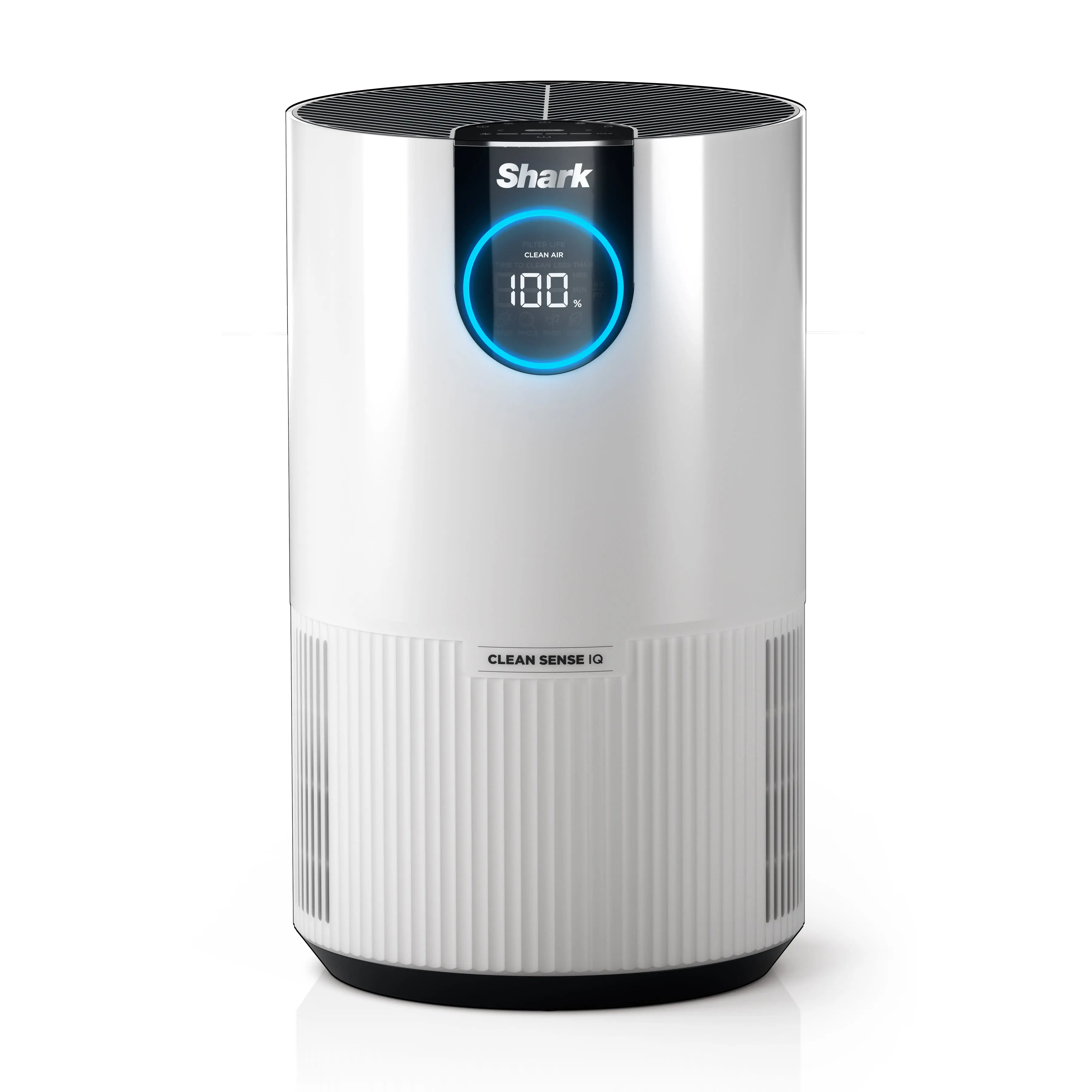
Air purifiers are devices designed to remove contaminants from the air in a room, improving indoor air quality and creating a healthier living environment.
Featured brands
Authenticated productsVerified shops



![[Exclusive Livestream Offer] ToLife TZ-K2 Air Purifier for Large Rooms (up to 1095 Ft²), PM 2.5 Display, HEPA Filter, Auto Mode & Timer – Removes Smoke, Pollen, Pet Dander!](https://p16-oec-general-useast5.ttcdn-us.com/tos-useast5-i-omjb5zjo8w-tx/bbdd11459ffe4dae8b5ba2ed13d496db~tplv-fhlh96nyum-resize-webp:600:600.webp?dr=12190&t=555f072d&ps=933b5bde&shp=8dbd94bf&shcp=a6e80448&idc=useast5&from=2378011839 "[Exclusive Livestream Offer] ToLife TZ-K2 Air Purifier for Large Rooms (up to 1095 Ft²), PM 2.5 Display, HEPA Filter, Auto Mode & Timer – Removes Smoke, Pollen, Pet Dander!")


Related Searches
Related Categories
Introduction
Air purifiers are essential appliances for ensuring clean and healthy indoor air. With increasing pollution levels and allergens present in our environment, having an air purifier can significantly enhance your quality of life. These devices work by filtering out dust, pollen, smoke, and other airborne particles, making them particularly beneficial for individuals with allergies or respiratory issues. When choosing an air purifier, consider the following key factors:
- Filter Type: Look for HEPA filters, which can capture 99.97% of particles as small as 0.3 microns.
- Room Size: Ensure the purifier is suitable for the size of the room where it will be used.
- Noise Level: Opt for models that operate quietly, especially for nighttime use.
- Maintenance Costs: Factor in the cost of replacement filters and energy consumption.