Results for "adding calcium to soil"
Adding calcium to soil is a crucial practice for improving soil health and promoting plant growth. Calcium helps in strengthening plant cell walls, enhancing nutrient uptake, and balancing soil pH levels.


$26.61

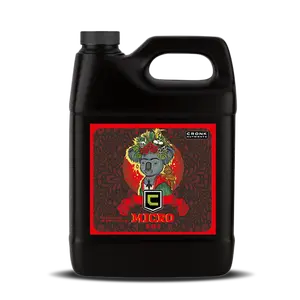


$8.11

-15%$24.59$28.92
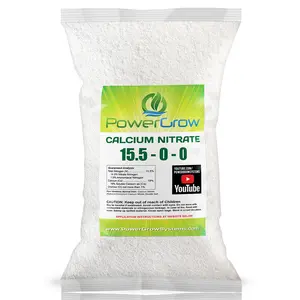


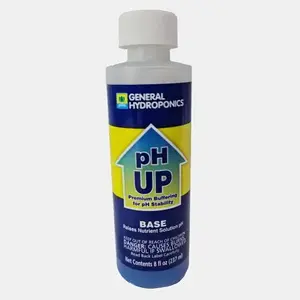
$8.10


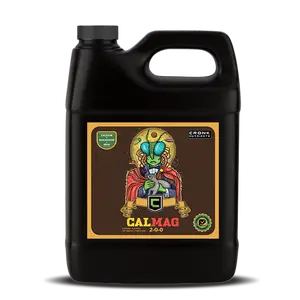







$28.99

Related Searches
Related Categories
Introduction
Adding calcium to soil is essential for any gardener looking to improve their garden's health and productivity. Calcium plays a vital role in soil structure and plant development, ensuring that your plants receive the nutrients they need to thrive. When you add calcium to your soil, you not only enhance its structure but also improve its ability to retain moisture and nutrients. This is particularly important for crops like tomatoes, peppers, and cucumbers, which benefit greatly from adequate calcium levels.
Here are some benefits of adding calcium to your garden soil:
Here are some benefits of adding calcium to your garden soil:
- Improves Soil Structure: Calcium helps to flocculate clay particles, creating a crumbly texture that enhances aeration and drainage.
- Enhances Nutrient Uptake: Calcium aids in the absorption of other essential nutrients, such as magnesium and potassium.
- Balances pH Levels: Adding calcium can help neutralize acidic soils, making them more suitable for plant growth.
- Prevents Blossom End Rot: Calcium deficiency can lead to blossom end rot in fruits, a common issue that can be avoided with proper calcium levels.