a plant
A plant is a living organism that belongs to the kingdom Plantae, characterized by its ability to perform photosynthesis, producing oxygen and organic compounds. Plants are essential for life on Earth, providing food, oxygen, and habitat for various organisms.
Featured brands
Authenticated productsVerified shops




3.6
74 sold
-10%$26.99$29.99


4.8
73 sold
-10%$27.00$30.00
Related Searches
Related Categories
Introduction
Plants are vital components of our ecosystem, playing a crucial role in maintaining the balance of nature. From the towering trees that provide shade to the delicate flowers that add color to our gardens, plants come in an astonishing variety of shapes, sizes, and functions. Understanding plants is essential for anyone interested in gardening, landscaping, or simply appreciating the beauty of nature.
When selecting plants for your home or garden, consider the following factors:
Whether you're an experienced gardener or just starting, understanding the basics of plant care will help you create a thriving green space.
When selecting plants for your home or garden, consider the following factors:
- Climate: Different plants thrive in different climates, so it's important to choose species that are suited to your local environment.
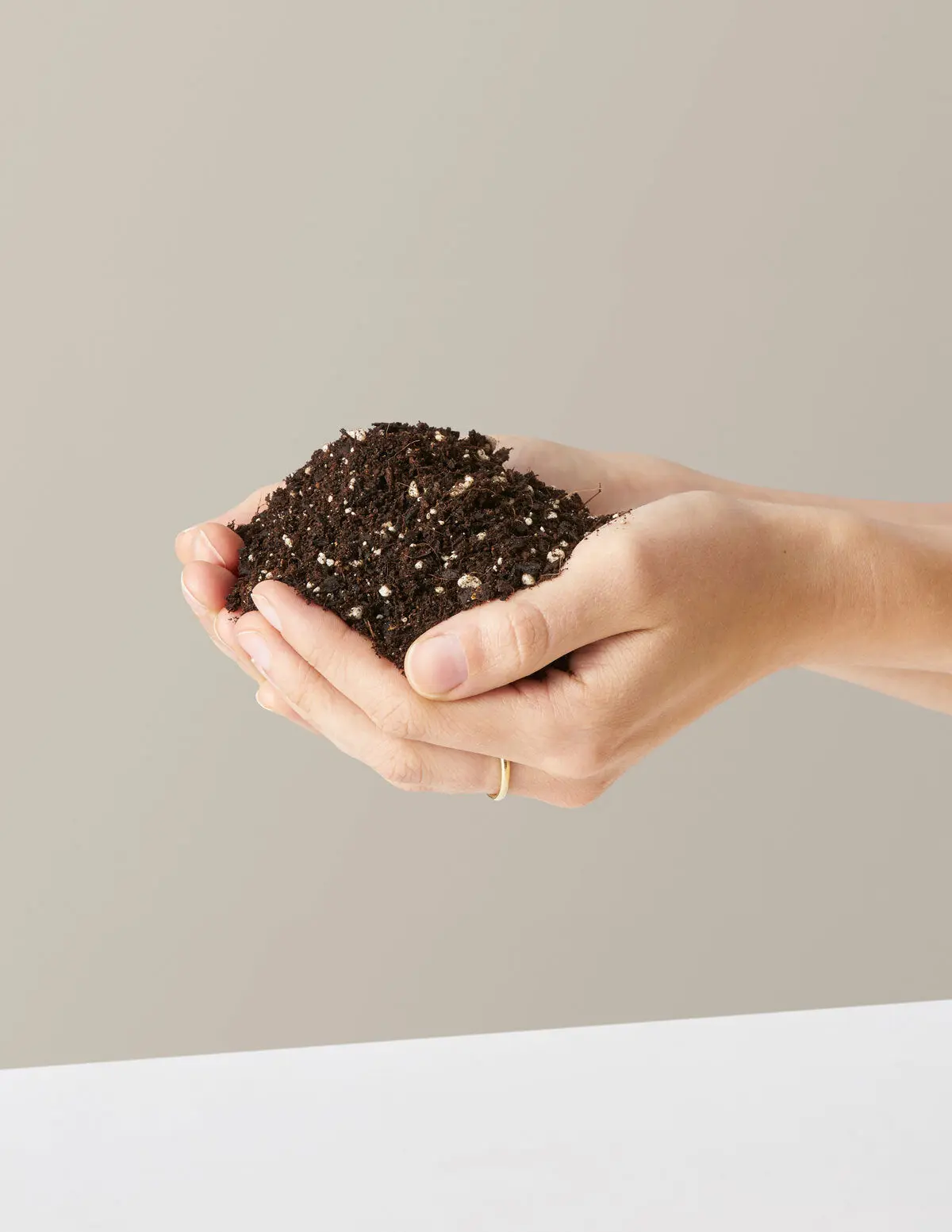
- Soil Type: The type of soil can greatly affect plant growth. Ensure the plants you choose are compatible with your soil conditions.
- Sunlight: Some plants require full sun, while others thrive in shade. Assess your space to determine the best light conditions for your plants.
- Water Needs: Be mindful of how much water different plants require. Overwatering or underwatering can lead to plant stress and death.
Whether you're an experienced gardener or just starting, understanding the basics of plant care will help you create a thriving green space.