6000mhz ram
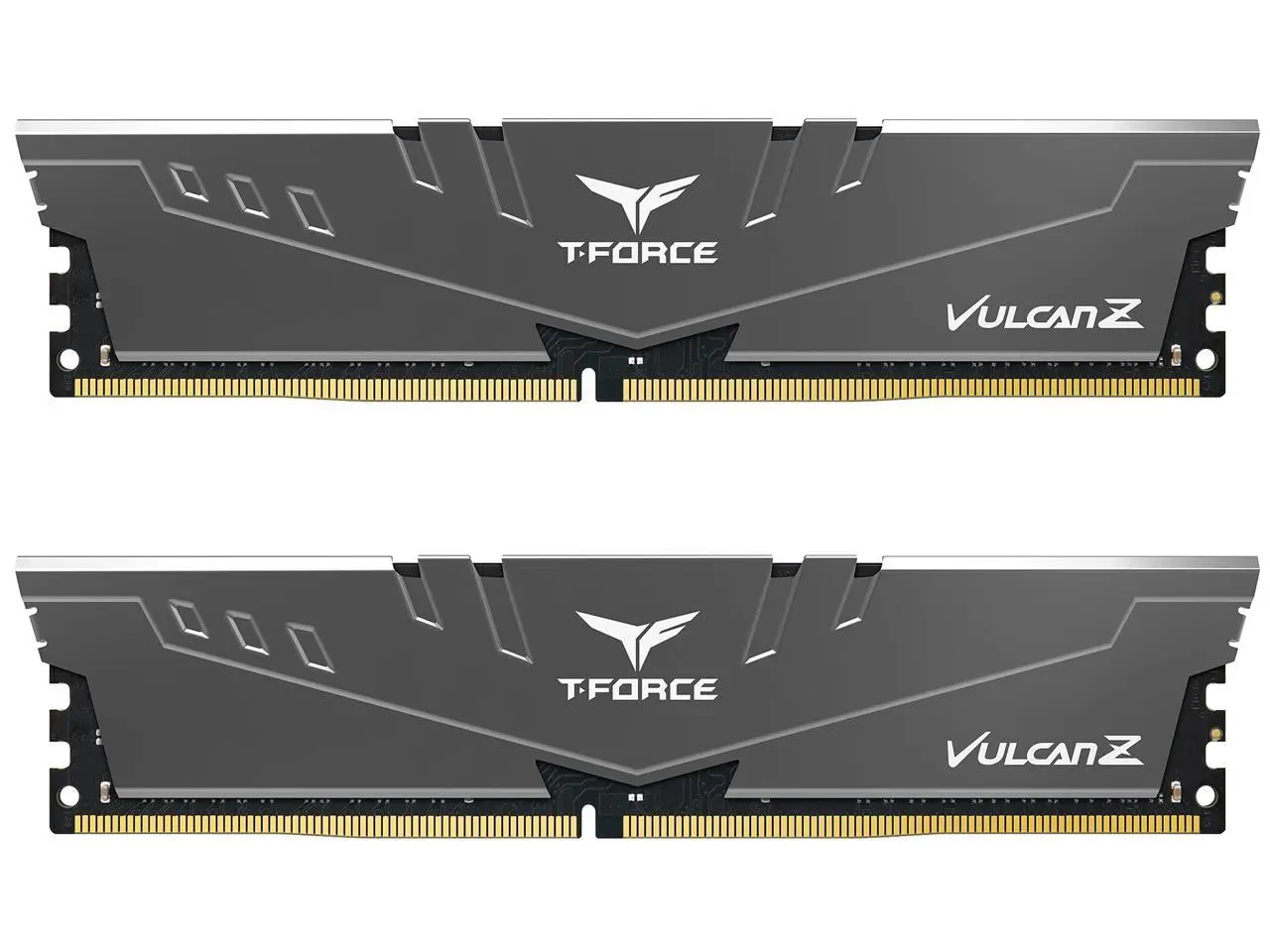
6000MHz RAM refers to a type of computer memory that operates at a frequency of 6000 megahertz, offering high-speed data processing and improved performance for tasks such as gaming and content creation.
Featured brands
Authenticated productsVerified shops





Newegg, Inc.

4.6
421 sold
$154.49

Newegg, Inc.
11 sold

$247.49


Newegg, Inc.
5.0
29 sold
$253.49


Newegg, Inc.
5.0
128 sold
$236.99


Newegg, Inc.
1 sold
$236.99

Newegg, Inc.
5.0
30 sold
$1,132.99


Newegg, Inc.
4.7
2.5K sold
$275.99

Newegg, Inc.
4.7
165 sold
$339.99


Newegg, Inc.
3.0
78 sold

-7%$247.49$267.49


Newegg, Inc.
4.8
529 sold
$169.99
Related Searches
Related Categories
Introduction
When it comes to enhancing your computer's performance, 6000MHz RAM is a top choice for tech enthusiasts and gamers alike. This high-speed memory allows for faster data transfer between your CPU and other components, ensuring smooth multitasking and improved responsiveness in demanding applications. With 6000MHz RAM, users can experience quicker load times and reduced lag during intense gaming sessions.
Here are some key points to consider about 6000MHz RAM:
In conclusion, 6000MHz RAM is an excellent option for those looking to maximize their system's performance. Whether you're gaming, editing videos, or running complex simulations, this type of RAM can significantly enhance your computing experience. Don't forget to check for compatibility with your existing hardware to ensure you get the best performance possible.
Here are some key points to consider about 6000MHz RAM:
- Speed: Operating at 6000MHz, this RAM provides a significant speed advantage over lower frequency options.
- Compatibility: Ensure that your motherboard supports 6000MHz RAM to fully utilize its potential.
- Overclocking: Many users opt for 6000MHz RAM for its overclocking capabilities, allowing for even higher performance levels.
- Gaming Performance: Gamers benefit from faster load times and improved frame rates, making it an ideal choice for gaming rigs.
- Future-Proofing: Investing in 6000MHz RAM can help future-proof your system as software demands increase.
In conclusion, 6000MHz RAM is an excellent option for those looking to maximize their system's performance. Whether you're gaming, editing videos, or running complex simulations, this type of RAM can significantly enhance your computing experience. Don't forget to check for compatibility with your existing hardware to ensure you get the best performance possible.