Results for "60 ESSENTIAL MINERALS"
Essential minerals are vital nutrients that the body needs to function correctly. They play crucial roles in various physiological processes, including bone health, fluid balance, and muscle function.


![Clean Nutra Flow, Fuel & Function Trio | Sea Moss, Cayenne, Chromium & More for Heart, Metabolic & Mineral Support Liquid Drops [Vascu Glow + MultiMin 102 + Gluco Gone]](https://p16-oec-general-useast5.ttcdn-us.com/tos-useast5-i-omjb5zjo8w-tx/9d2c231131f74d5c8410ff676626285e~tplv-fhlh96nyum-crop-webp:300:300.webp?dr=12190&t=555f072d&ps=933b5bde&shp=8dbd94bf&shcp=a6e80448&idc=useast5&from=2378011839 "Clean Nutra Flow, Fuel & Function Trio | Sea Moss, Cayenne, Chromium & More for Heart, Metabolic & Mineral Support Liquid Drops [Vascu Glow + MultiMin 102 + Gluco Gone]")


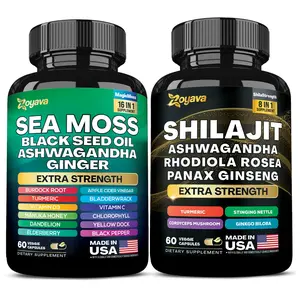
Zoyava

4.5
252.7K sold
-60%$35.75$89.41


Micro Ingredients
4.7
3.2K sold
-48%$77.44$148.85

Dr. Eric Berg
4.9
168 sold
-22%$44.10$56.38


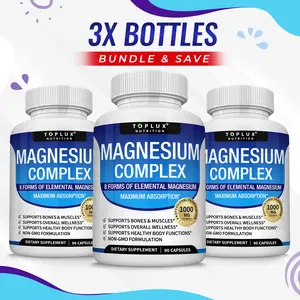
Toplux Nutrition
4.7
30.3K sold
$174.61

4.7
18.5K sold
-51%$22.90$46.58


Related Searches
Related Categories
Introduction
Essential minerals are critical components of a healthy diet, providing the body with the necessary nutrients to maintain optimal health. These minerals, including calcium, magnesium, potassium, and iron, are involved in numerous bodily functions, such as building strong bones, regulating muscle contractions, and supporting nerve function. Understanding the importance of these 60 essential minerals can help individuals make informed choices about their dietary intake and supplementation.
Here are some key points about essential minerals:
It's essential to include a variety of foods in your diet to ensure you get all the necessary minerals. Foods rich in essential minerals include leafy greens, nuts, seeds, dairy products, and whole grains. For those who may struggle to meet their mineral needs through diet alone, wellness supplements can provide an effective solution. These supplements are designed to fill nutritional gaps and support overall health. Remember, proven quality and customer-approved supplements can enhance your wellness journey.
Regularly updating your knowledge about essential minerals can help you stay informed about the best practices for maintaining your health. Consider consulting with a healthcare professional to determine your specific mineral needs and how to meet them effectively.
Here are some key points about essential minerals:
- Bone Health: Minerals like calcium and phosphorus are vital for developing and maintaining strong bones.
- Heart Function: Potassium and magnesium are essential for heart health, helping to regulate blood pressure and heart rhythm.
- Metabolism: Minerals such as zinc and selenium play a role in metabolic processes and immune function.
- Hydration: Electrolytes like sodium and chloride help maintain fluid balance in the body.
It's essential to include a variety of foods in your diet to ensure you get all the necessary minerals. Foods rich in essential minerals include leafy greens, nuts, seeds, dairy products, and whole grains. For those who may struggle to meet their mineral needs through diet alone, wellness supplements can provide an effective solution. These supplements are designed to fill nutritional gaps and support overall health. Remember, proven quality and customer-approved supplements can enhance your wellness journey.
Regularly updating your knowledge about essential minerals can help you stay informed about the best practices for maintaining your health. Consider consulting with a healthcare professional to determine your specific mineral needs and how to meet them effectively.