30 day challenges
30 day challenges are structured programs designed to encourage individuals to commit to a specific goal or habit for a duration of 30 days, promoting personal growth and consistency.
Featured brands
Authenticated productsVerified shops




![[Back To School]Prycken STAY SILENT: A 30 Day Challenge to Transform the Way You Speak. Master Self-Control & Emotional Intelligence | Build Powerful Communication — A Practical Self-Growth & Daily Reading Book|Limited-Time Shipping Included](https://p16-oec-general-useast5.ttcdn-us.com/tos-useast5-i-omjb5zjo8w-tx/5c04afe7e1544281bf41f31012023310~tplv-fhlh96nyum-resize-webp:600:600.webp?dr=12190&t=555f072d&ps=933b5bde&shp=8dbd94bf&shcp=a6e80448&idc=useast5&from=2378011839 "[Back To School]Prycken STAY SILENT: A 30 Day Challenge to Transform the Way You Speak. Master Self-Control & Emotional Intelligence | Build Powerful Communication — A Practical Self-Growth & Daily Reading Book|Limited-Time Shipping Included")


![[Back To School]Prycken CÃLLALO : Reto de 30 dias para transformar tuforma de hablar.Heal Relationships Through Words — A Gift-Ready Daily Reading Book for Adults & Self-Improvement Enthusiasts](https://p16-oec-general-useast5.ttcdn-us.com/tos-useast5-i-omjb5zjo8w-tx/170c5c93b62e4dfd8c0c148ffd506025~tplv-fhlh96nyum-resize-webp:600:600.webp?dr=12190&t=555f072d&ps=933b5bde&shp=8dbd94bf&shcp=a6e80448&idc=useast5&from=2378011839 "[Back To School]Prycken CÃLLALO : Reto de 30 dias para transformar tuforma de hablar.Heal Relationships Through Words — A Gift-Ready Daily Reading Book for Adults & Self-Improvement Enthusiasts")


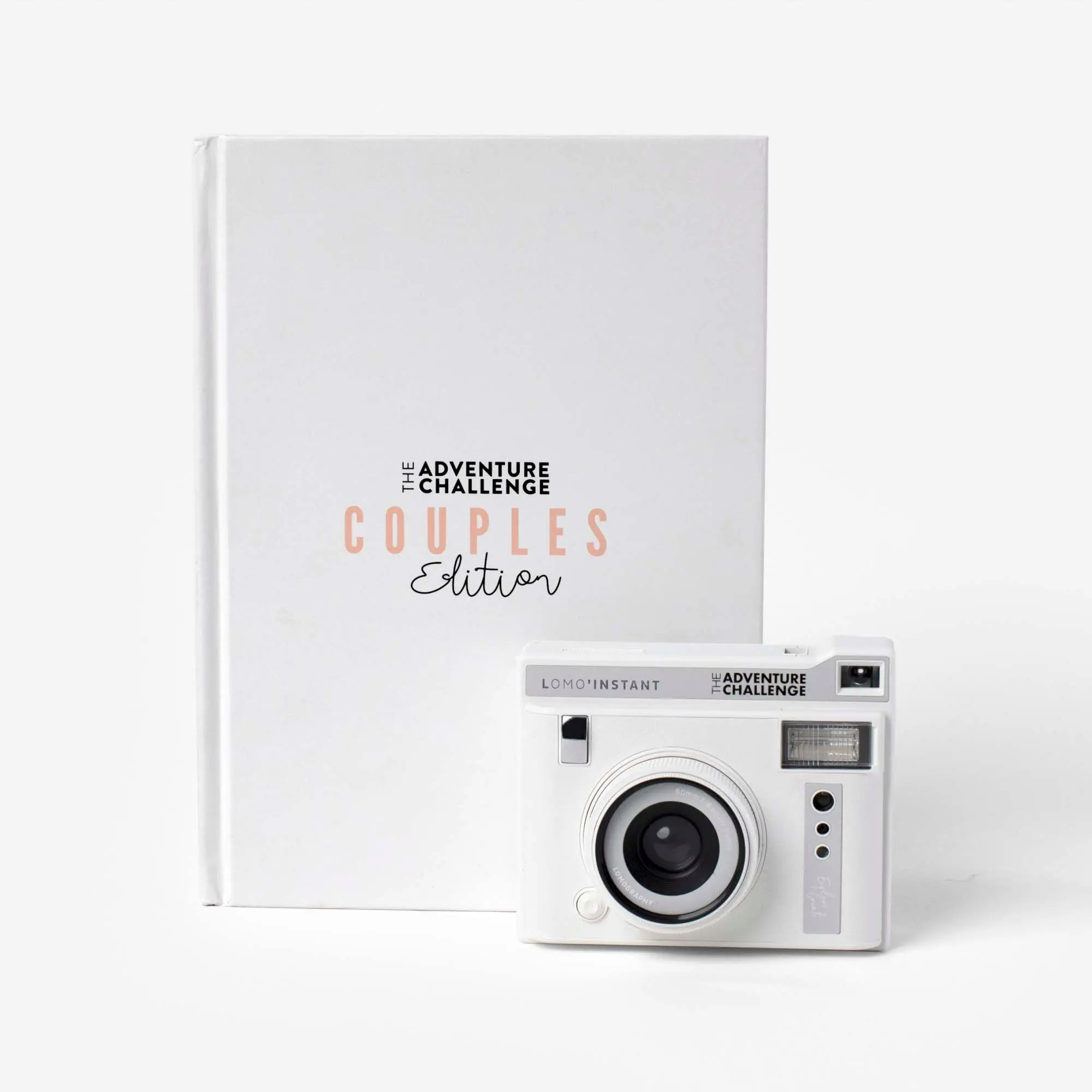
The Adventure Challenge

4.8
1.2K sold

$49.99


The Adventure Challenge
4.7
41 sold
$29.99
Related Searches
Related Categories
Introduction
30 day challenges have become a popular way for individuals to kickstart new habits, improve their health, or achieve personal goals. These challenges can cover a wide range of topics, from fitness and nutrition to mindfulness and productivity. By committing to a 30 day challenge, participants can experience significant changes in their lifestyle, mindset, and overall well-being.
Here are some common types of 30 day challenges:
The beauty of a 30 day challenge lies in its simplicity and accessibility. Anyone can participate, regardless of their starting point. It's a chance to push boundaries, discover new interests, and build confidence. Many find that these challenges foster a sense of community, as participants often share their progress on social media, encouraging others to join in.
Proven quality and customer-approved methods are key to making these challenges successful. With the right mindset and commitment, a 30 day challenge can lead to lasting change and a healthier lifestyle. Join the movement today and see how 30 days can transform your life!
Here are some common types of 30 day challenges:
- Fitness challenges: Such as daily workouts or step goals.
- Nutrition challenges: Focusing on clean eating or trying new recipes.
- Mental health challenges: Incorporating daily meditation or gratitude journaling.
- Productivity challenges: Setting daily goals or decluttering spaces.
The beauty of a 30 day challenge lies in its simplicity and accessibility. Anyone can participate, regardless of their starting point. It's a chance to push boundaries, discover new interests, and build confidence. Many find that these challenges foster a sense of community, as participants often share their progress on social media, encouraging others to join in.
Proven quality and customer-approved methods are key to making these challenges successful. With the right mindset and commitment, a 30 day challenge can lead to lasting change and a healthier lifestyle. Join the movement today and see how 30 days can transform your life!