Results for "1080p 1080i"
1080p and 1080i are two common video resolutions that refer to the number of horizontal lines of pixels displayed on the screen. 1080p stands for 'progressive scan' and provides a smoother image, while 1080i stands for 'interlaced scan' which can lead to flickering during fast motion.





GEARit Official

4.0
25 sold
-37%$6.13$9.72


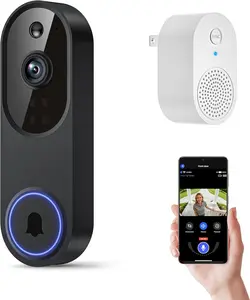
![[1080P] 1080P Full HD Security Camera with Full-Color Night Vision, Two-Way Audio, Motion Detection, and Tracking Recording, Remote Control via Mobile App, Nanny Monitoring, and Safety Surveillance for Family and Pets](https://p16-oec-general-useast5.ttcdn-us.com/tos-useast5-i-omjb5zjo8w-tx/3cf6b09191d04a7196a645b02341cd76~tplv-fhlh96nyum-crop-webp:300:300.webp?dr=12190&t=555f072d&ps=933b5bde&shp=8dbd94bf&shcp=a6e80448&idc=useast5&from=2378011839 "[1080P] 1080P Full HD Security Camera with Full-Color Night Vision, Two-Way Audio, Motion Detection, and Tracking Recording, Remote Control via Mobile App, Nanny Monitoring, and Safety Surveillance for Family and Pets")




$16.03


Related Searches
Related Categories
Introduction
When it comes to high-definition video, understanding the difference between 1080p and 1080i is essential for making informed decisions about your viewing experience. Both resolutions offer a pixel count of 1920x1080, but the way they display images varies significantly.
**What is 1080p?**
1080p, or progressive scan, means that all 1080 lines of pixels are drawn in a single frame. This results in a smoother and clearer image, especially during fast-moving scenes. It's often the preferred choice for gaming, streaming, and Blu-ray playback, providing a cinematic experience that is customer-approved and trusted by thousands.
**What is 1080i?**
On the other hand, 1080i, or interlaced scan, displays images by alternating between two fields of lines. While it also boasts a resolution of 1920x1080, it can lead to flickering or motion blur, particularly in fast-paced content.
**Why Choose 1080p?**
**When is 1080i Sufficient?**
In conclusion, while both 1080p and 1080i offer high-definition quality, 1080p is generally the better option for a more immersive viewing experience. Regularly updating your understanding of these formats can help you choose the right technology for your needs.
**What is 1080p?**
1080p, or progressive scan, means that all 1080 lines of pixels are drawn in a single frame. This results in a smoother and clearer image, especially during fast-moving scenes. It's often the preferred choice for gaming, streaming, and Blu-ray playback, providing a cinematic experience that is customer-approved and trusted by thousands.
**What is 1080i?**
On the other hand, 1080i, or interlaced scan, displays images by alternating between two fields of lines. While it also boasts a resolution of 1920x1080, it can lead to flickering or motion blur, particularly in fast-paced content.
**Why Choose 1080p?**
- Better for fast action scenes
- Ideal for gaming and streaming
- Improved clarity and detail
**When is 1080i Sufficient?**
- Suitable for standard television broadcasts
- Can save bandwidth for streaming
In conclusion, while both 1080p and 1080i offer high-definition quality, 1080p is generally the better option for a more immersive viewing experience. Regularly updating your understanding of these formats can help you choose the right technology for your needs.