102 thermometer
A 102 thermometer is a device used to measure temperature, typically in cooking, ensuring that food reaches safe and optimal temperatures for consumption.
Featured brands
Authenticated productsVerified shops


![[Pool Accessories] TempPro Floating Wireless Swimming Pool Thermometer, Digital Indoor Hygrometer Easy Read, Large Size, IPX8 Waterproof for Hot Tub/SPA/Aquarium/Pond/Ice Bath Tool Fathersdaygift ,Dealsforyoudays(TP211B)](https://p16-oec-general-useast5.ttcdn-us.com/tos-useast5-i-omjb5zjo8w-tx/8362b7235be24ef78fd6e7ea8cbaeb44~tplv-fhlh96nyum-crop-webp:2000:2000.webp?dr=12190&t=555f072d&ps=933b5bde&shp=8dbd94bf&shcp=a6e80448&idc=useast5&from=2378011839)

![[BBQ Essential]ThermoPro Digital Meat Thermometer - 0.5s Instant Read, Auto-Rotating Display, Backlight Magnetic Waterproof, Compact Kitchen Utensil for Cooking, Grilling, Frying, Fathersdaygift (TP620)](https://p16-oec-general-useast5.ttcdn-us.com/tos-useast5-i-omjb5zjo8w-tx/bdcc42118c9243a3b5cc1dd135352f63~tplv-fhlh96nyum-crop-webp:1200:1200.webp?dr=12190&t=555f072d&ps=933b5bde&shp=8dbd94bf&shcp=a6e80448&idc=useast5&from=2378011839)


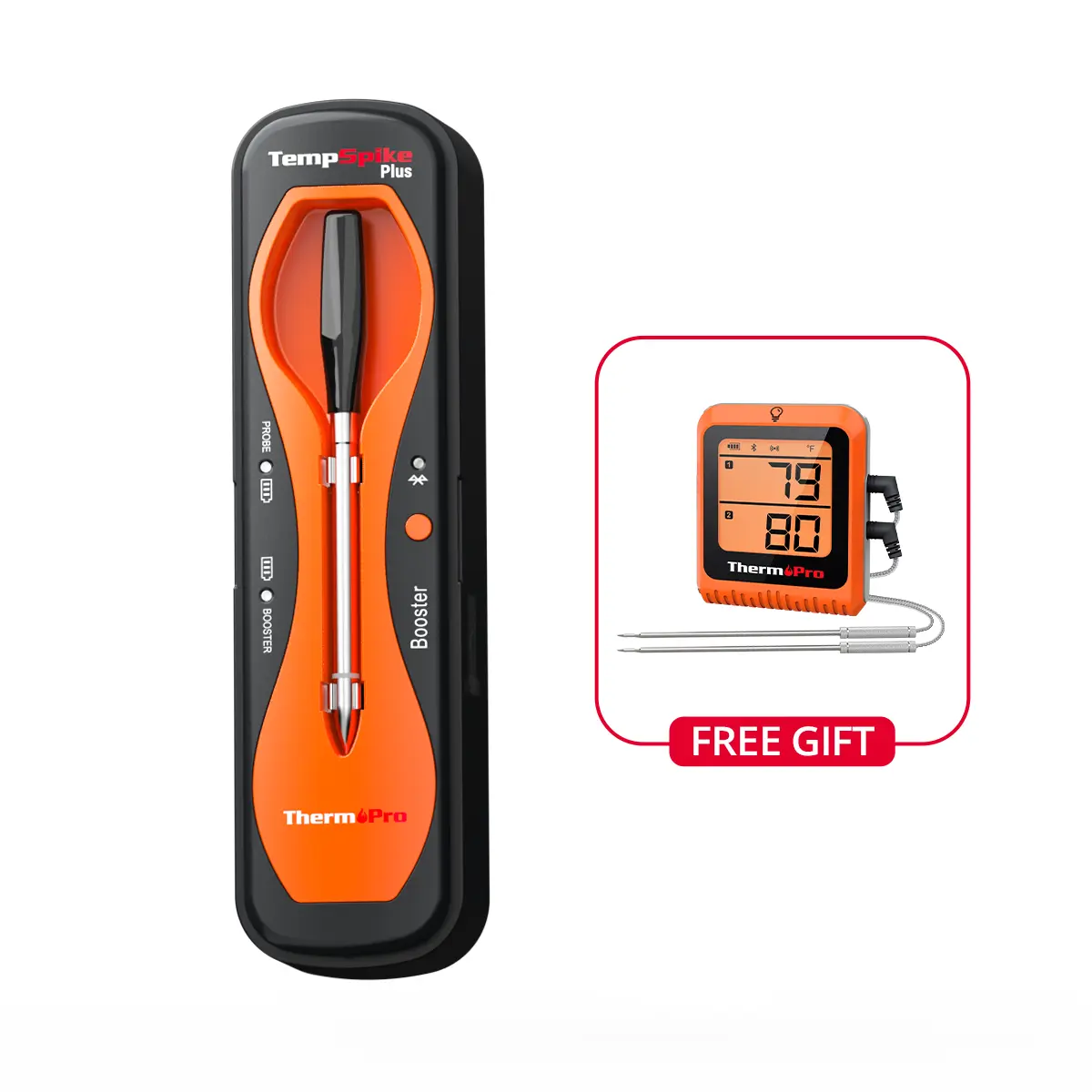
TempSpike by TempPro

2 sold
-45%$45.03$81.89


![[Clearance Special] TempPro Digital Cooking Timer & Thermometer Set, 99:59 Countdown Display, 86.5°F Precision Measurement for Kitchen Use](https://p16-oec-general-useast5.ttcdn-us.com/tos-useast5-i-omjb5zjo8w-tx/9a611dafe07449158a18be05d59720d9~tplv-fhlh96nyum-resize-webp:600:600.webp?dr=12190&t=555f072d&ps=933b5bde&shp=8dbd94bf&shcp=a6e80448&idc=useast5&from=2378011839 "[Clearance Special] TempPro Digital Cooking Timer & Thermometer Set, 99:59 Countdown Display, 86.5°F Precision Measurement for Kitchen Use")


Related Searches
Related Categories
Introduction
When it comes to cooking, precision is key, and a 102 thermometer is an essential tool for any kitchen. This thermometer is designed to provide accurate temperature readings, helping you ensure that your dishes are cooked to perfection. Whether you're preparing meat, baking, or making candy, using a thermometer can prevent undercooking or overcooking, which can lead to food safety issues or undesirable textures.
Here are some reasons why a 102 thermometer is a must-have in your kitchen:
Here are some reasons why a 102 thermometer is a must-have in your kitchen:
- Accurate Readings: With a 102 thermometer, you can trust the readings to be reliable, allowing you to achieve the best results in your cooking.
- Versatile Use: This thermometer can be used for various cooking methods, including grilling, roasting, and frying.
- Easy to Use: Most 102 thermometers are user-friendly, making it simple for anyone to check the temperature of their food.
- Food Safety: Monitoring the temperature helps ensure that your food is safe to eat, reducing the risk of foodborne illnesses.